Article in Äripäev: Drone photography reveals nature from a new angle


Piia Kauts, co-author
Äripäev, 21 Nov 2014
A photo taken on the ground cannot show the surrounding environment as well as a drone photo taken from the air. As drones have become cheaper and accessible to ordinary users, drone photography is attracting increasing attention.
On a gloomy November afternoon, Kaupo Kalda, owner and creative director of the digital agency OKIA, takes a seat in a large armchair at the office and says he hasn't had time to look out the window and assess the photographic conditions today. A check of a dedicated app reveals, however, that there isn't much time left until sunset, and this may be the last chance to take a picture before then.
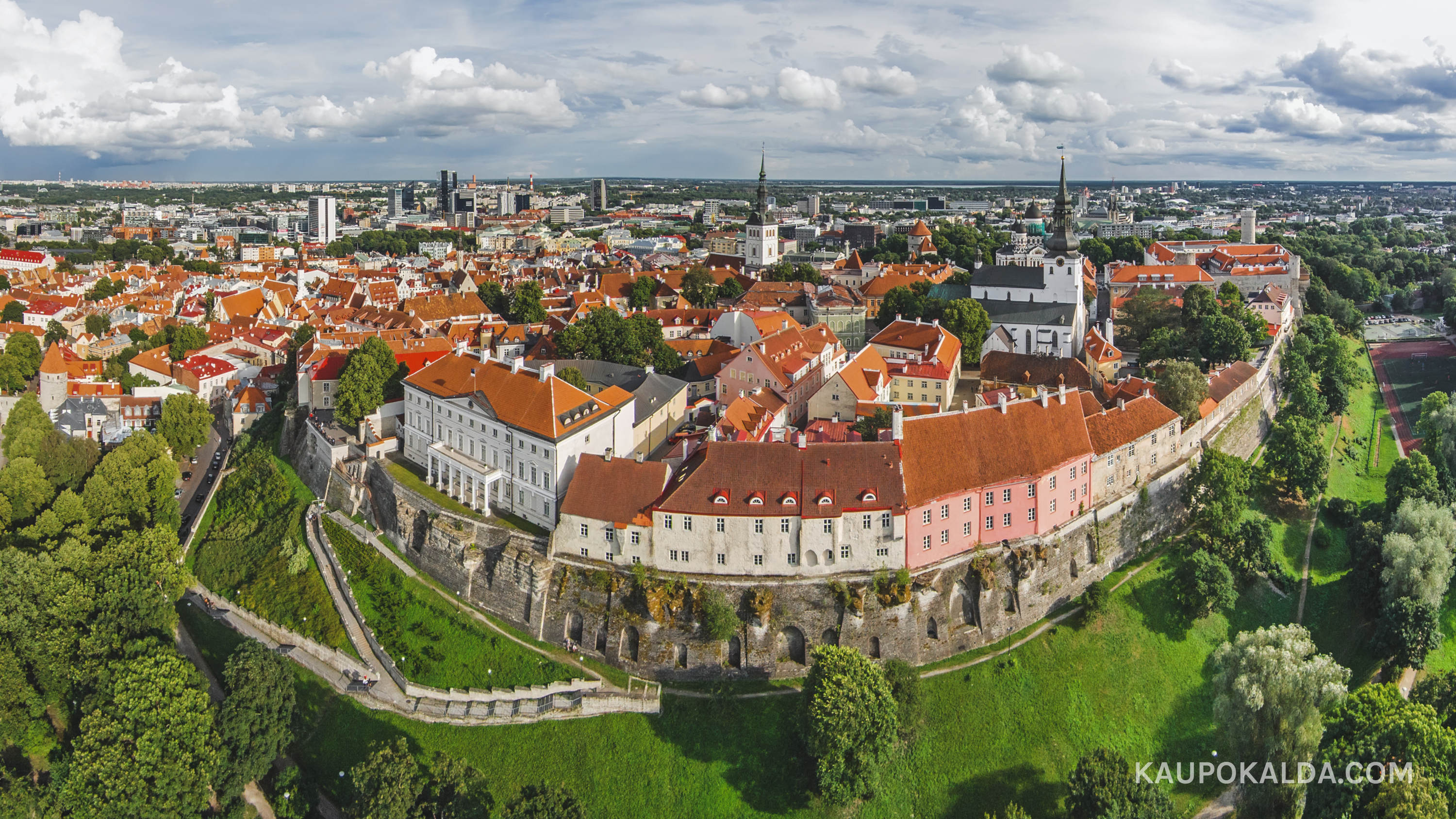
Kalda has had the photography bug for a long time. For the past ten years, he has devoted his free moments away from running a digital agency to nature photography. This year, he added a flying, camera-equipped drone to his photographic equipment, allowing him to see nature from a new angle. Kalda particularly likes the panoramic format, which he says creates an “Alice in Wonderland” effect. His work includes views of Tallinn's Old Town and, for example, the North Estonian limestone cliff. What makes the pictures special above all is a perspective that cannot be captured any other way – the drone is small and compact enough to manoeuvre between the towers of Tallinn's Old Town or along the face of the cliff.
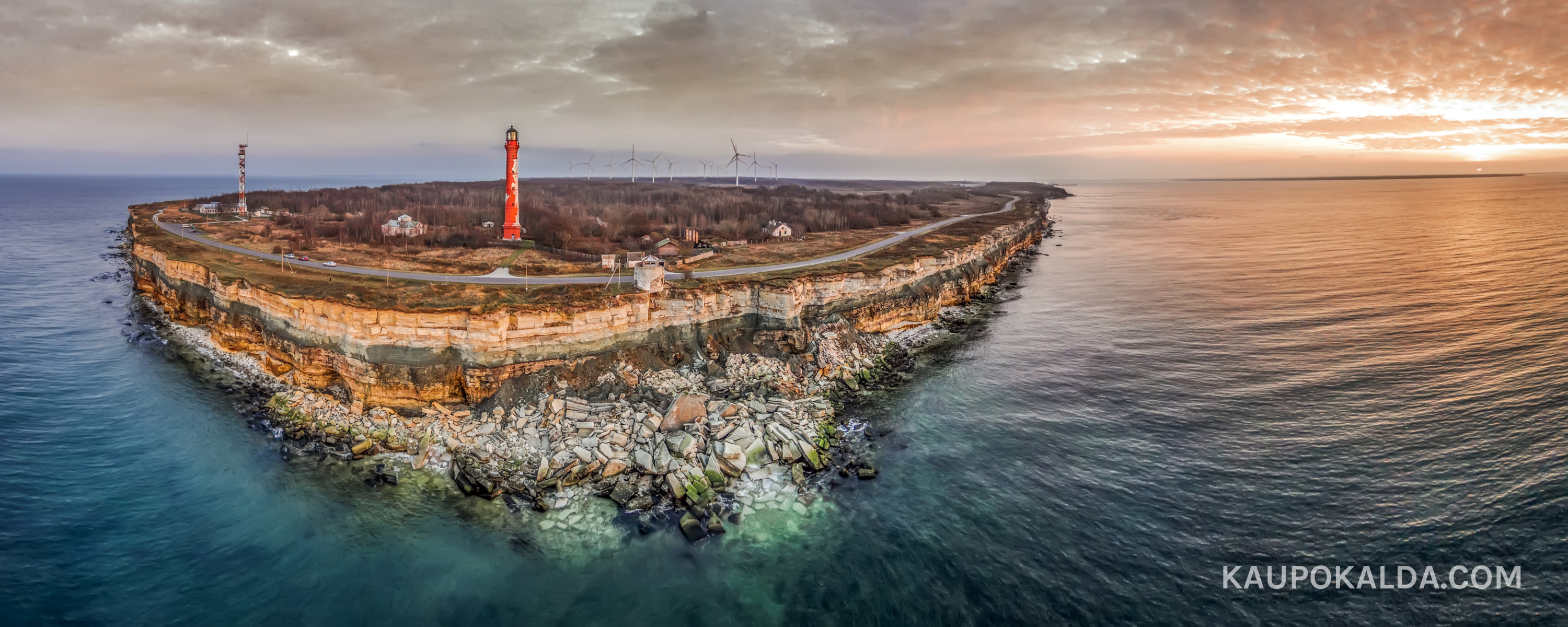
The audience likes the pictures. This can be seen both from the nearly 6000 followers of his Facebook photography page and from the number of clients commissioning photo panoramas. The number of clients is growing, ranging from the public sector to private customers. “I make life more beautiful, and that makes me very happy,” Kalda commented on the popularity of his work.
Drones are attracting increasing attention. To fly a drone and take a good picture, you first need to keep an eye on the weather. Good light – the low sun in both the morning and evening – and weather with as little wind as possible are the most important factors when flying a drone.
A drone is a small flying machine with a permitted flight altitude of up to 150 metres. It can actually fly higher, but would then enter the zone used by planes and helicopters, which is unsafe. Therefore, the aviation authority must also be informed about drone flights. The authority's permission is required in control zones, which are the areas around airfields: Tallinn and Tartu, as well as the Ämari, Kärdla, Kuressaare and Pärnu areas. Elsewhere in Estonia, no permission is needed; a height limit of 150 metres applies there.
A permit is needed primarily to prevent accidents and the risk of collisions with other aircraft – helicopters and planes. If the aviation authority has granted permission to fly the drone, air traffic is directed around it.
“You can't spontaneously go flying a drone when conditions turn out to be perfect, because the photographer would be breaking the law,” said Kalda. “So when applying for a permit, I have to know the exact place and time, which is a disaster for a photographer,” he noted.
People take up drone photography for different reasons: some are interested in drones for the flying, others for the photography. Some quickly lose interest. Kalda considers an interest in photography, especially landscape photography, the most important thing. “A drone is a much more demanding tool than a DSLR,” he noted. A camera can be used to take lots of pictures in a variety of places and can be taken to a relative’s birthday party or a summer outing, but a drone cannot. Previous photography experience is useful for a beginner drone photographer, but anyone with an interest can learn all the basics.
“I’m a rather single-minded type who can spend months researching an interesting subject. When I’m learning about a drone, I thoroughly investigate what I can do better and quickly get the hang of it,” Kalda explained. A desire to learn must be one of a prospective drone photographer’s strengths. Taking responsibility is also important. According to Kalda, fear and adrenaline are equally intense every time he flies, because there is always a chance that the drone will fall and injure someone or damage something.
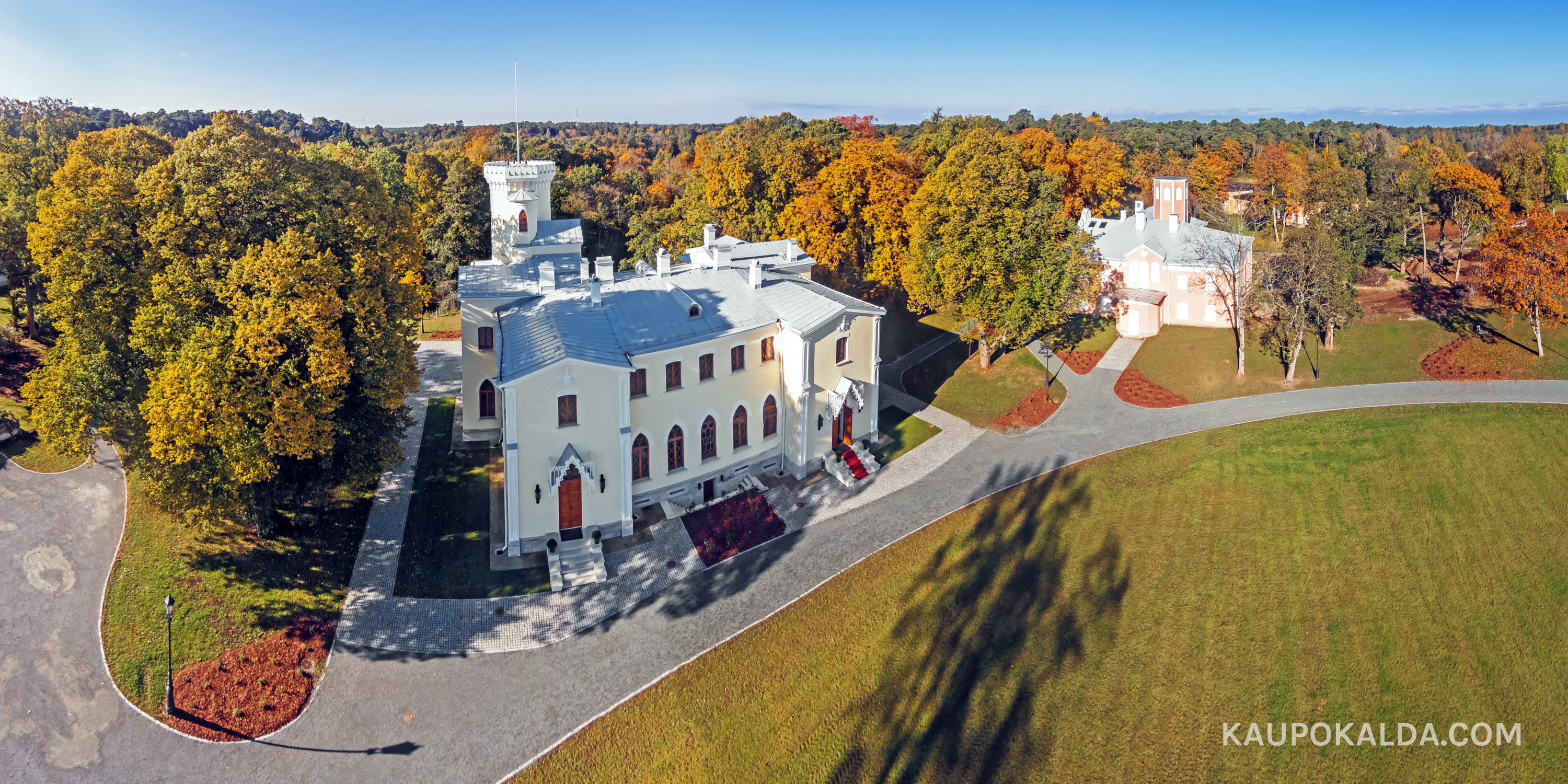
The hobby pays for itself. If you do something you really enjoy, it turns out that others will enjoy it too. Kalda has done commissioned work for several logistics, real estate and industrial companies that want to show the scale and surroundings of their operations. “A photo taken from the ground does not show the surroundings of a tourist farm amid marshes and bogs as well as a drone photo taken from the air,” Kalda explained. From higher up, you can see more clearly where the tourist farm is located and what it offers holidaymakers. “That way, you can convey the right feeling in a single image.”
Kalda often receives offers for commissioned work, but not all of them lead to a job, because that is not the goal. Kalda is, however, happy when the hobby pays for itself and makes it possible to dream of the next drone camera.
Kalda faces his first winter of drone photography, which will bring new endurance challenges for both photographer and equipment when shooting in sub-zero temperatures.
The best picture may not come from flying high
A drone, as a small aircraft, can create many dangerous situations that every drone enthusiast should know how to prevent.
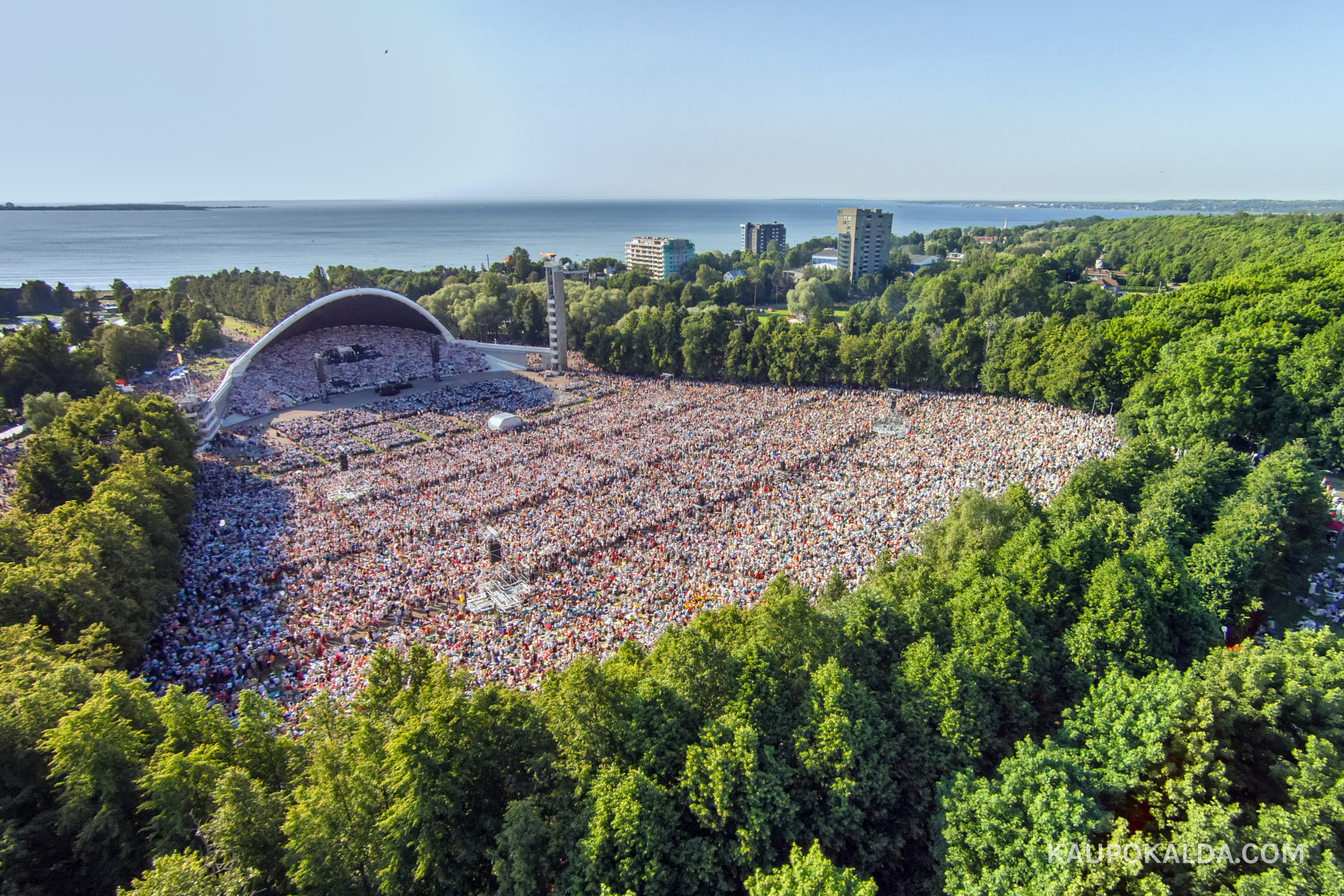
A drone can fall out of the sky – that’s the thing with electronics: a fault doesn’t always announce itself in advance, and it can happen anywhere, even in a crowded place. It is therefore wiser not to fly a drone in crowded places or at large events where there are many people and other drone pilots. Kalda gives the example of last summer’s Song Festival, where many drones were flying over people’s heads. He considers it appropriate that the security team told the pilots to bring their drones down. Kalda himself also had to put his drone away, even though he was flying a little away from the crowd.
The pilot is responsible. Kalda believes that next spring and summer considerably more flying machines taking photographs and videos will be circling above outdoor events, meaning that primary responsibility for safety rests above all with the drone pilot. “If a drone falls and someone is injured, I as the pilot am to blame. I must not endanger other people's property or health!” Kalda states firmly.
Last summer, Kalda himself had a minor accident while taking pictures with a drone. On a fairly windy summer day, he was in Hiiumaa, photographing a good friend's childhood home at his request, when the drone became uncontrollable due to the strong wind and a draining battery and disappeared behind a grove of trees. If a drone goes missing, the return-to-home function should help. It activates when radio contact between the pilot and the drone is lost: the drone returns to where it took off. But the drone was too far away and its battery too low for it to make the flight back. According to Kalda, to find the drone, large yacht where help was sought both on Facebook and through a local Hiiumaa forum group.
Two important lessons. Kalda found the lost drone, so the accident ended happily and provided a valuable lesson about the nuances of both the wind and the drone’s inner workings. Kalda’s accident offered several lessons worth sharing. First, it is important to pay attention to strong winds, which make flying dangerous. Wind speeds can vary at different altitudes – on the day the drone went missing, gusts at a height of 150 metres may have reached 30 m/s, but the drone can be controlled in winds of up to 15 m/s. The second lesson concerns the drone’s battery – if the battery is too low, the aircraft will not have enough power to fly back to the launch site against a strong headwind.
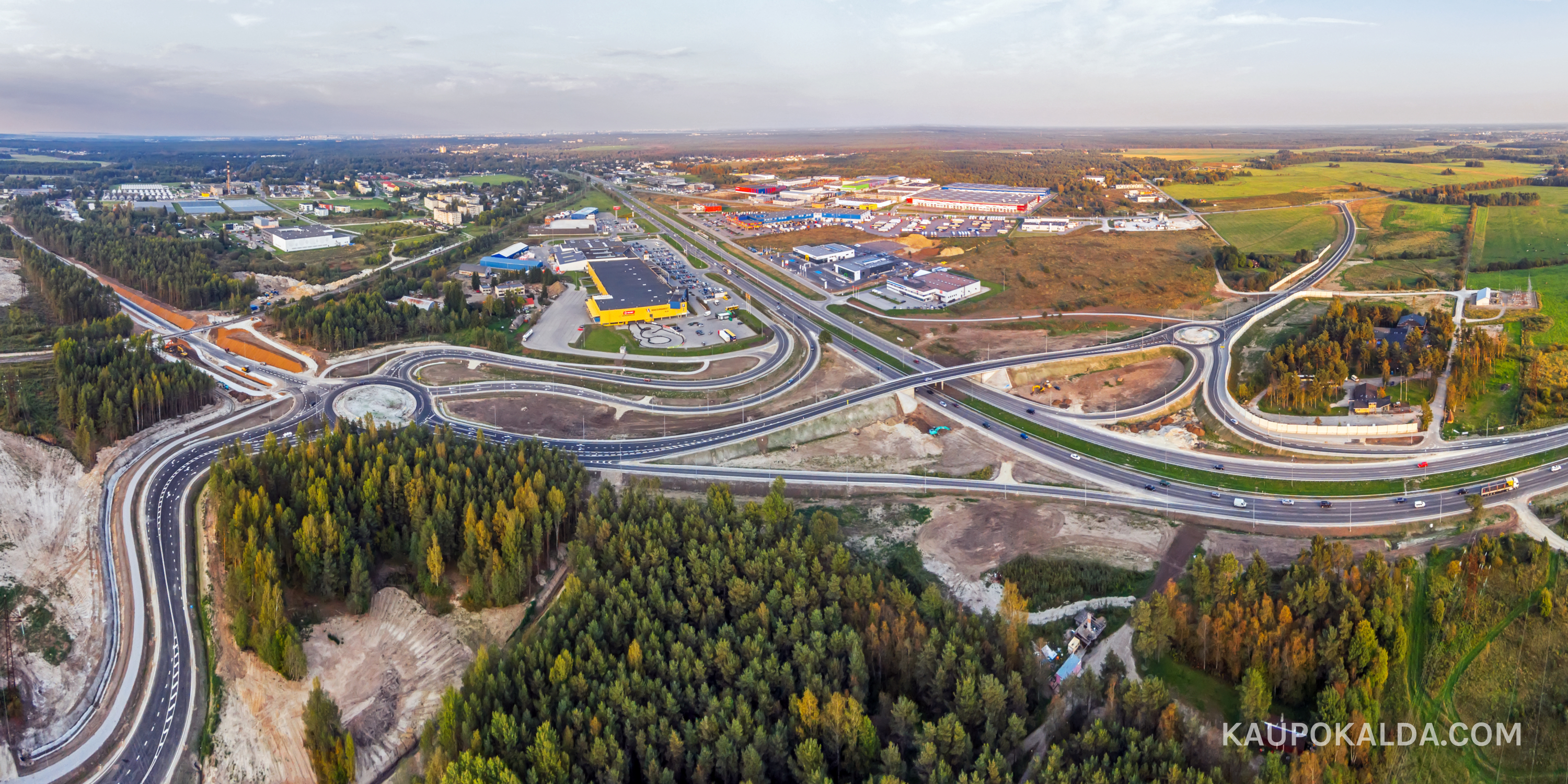
You don't have to aim for the heights. Experience has shown Kalda that the best picture tends to be taken from a lower altitude – 50–100 metres. “A drone is like a very tall, mobile tripod,” Kalda said. Shooting from the maximum altitude of 150 metres gives you a thrilling dose of adrenaline and a flying experience, but it doesn't add much to the picture.
A beginner drone photographer's initial excitement and emotion can be especially strong, making them want to fly very high. In fact, maximum altitude is not the most important thing for the picture.
A checklist for beginner drone photographers
BE ALERT. Check that all batteries are charged, the drone is calibrated and GPS lock is on when you take off, and keep track of the direction the drone's nose is pointing.
BE CAREFUL. Any mistake can damage the aircraft. It is easy to become reckless, and then there is a high risk of losing your drone, hopefully without injuring anyone.
STAY AWAY from people, especially crowds, antennas, power lines and other electrical fields, buildings and airfields.
WATCH THE WEATHER. Don't fly in strong winds; the wind up above is usually several times stronger and will carry your drone away if it exceeds the critical limit. When flying over the sea, make sure the wind isn't blowing out to sea.
USE GUARDS. Propeller guards protect the drone as well as people and objects.
MONITOR THE BATTERY. Land as soon as the device alerts you. If you're farther away, you should start returning earlier, especially if you're flying into a headwind on the way home. A drone with an empty battery has less power.
START CLOSE. Don’t immediately climb far away and high up, practise at a distance and altitude of 30–50 m instead. Never go above 150 m, this is prohibited without special permission from the aviation authority, and you also endanger lives, because planes and helicopters may fly at those heights.
FLIGHT PERMITS AND REGULATIONS: Estonian Aviation Administration's on the website.
Comment
Lauri Leivo, www.gps.ee, importer of DJI equipment
Humans have always dreamed of flying Interest in aerial photography in Estonia is growing. This is partly because technology is developing ever faster and drones have become accessible to ordinary users. The beginner-friendly DJI Phantom drone can produce a thoroughly high-quality image. Previously, drones were either very expensive machines intended for professional photography or simple ones with correspondingly poorer image quality. This stark difference in quality is now narrowing. Judging by the number of drones that have reached users through our company, the number of users has grown over the past year.
Photographing from the air gives photography a completely new, exciting and unusual angle. We are not used to looking at landscapes or cities from the air in this way. The perspective is interesting both to the photographer and to the audience, and gives the photographer a significantly different dimension to work with, which is why interest keeps growing.
The reason drone photography attracts so much attention may lie in humanity’s age-old desire to take off and fly, which a drone now fulfils in its own compact way.
Original PDF of the article for Äripäev subscribers here.