Expectation dissonance - low-altitude drone photos
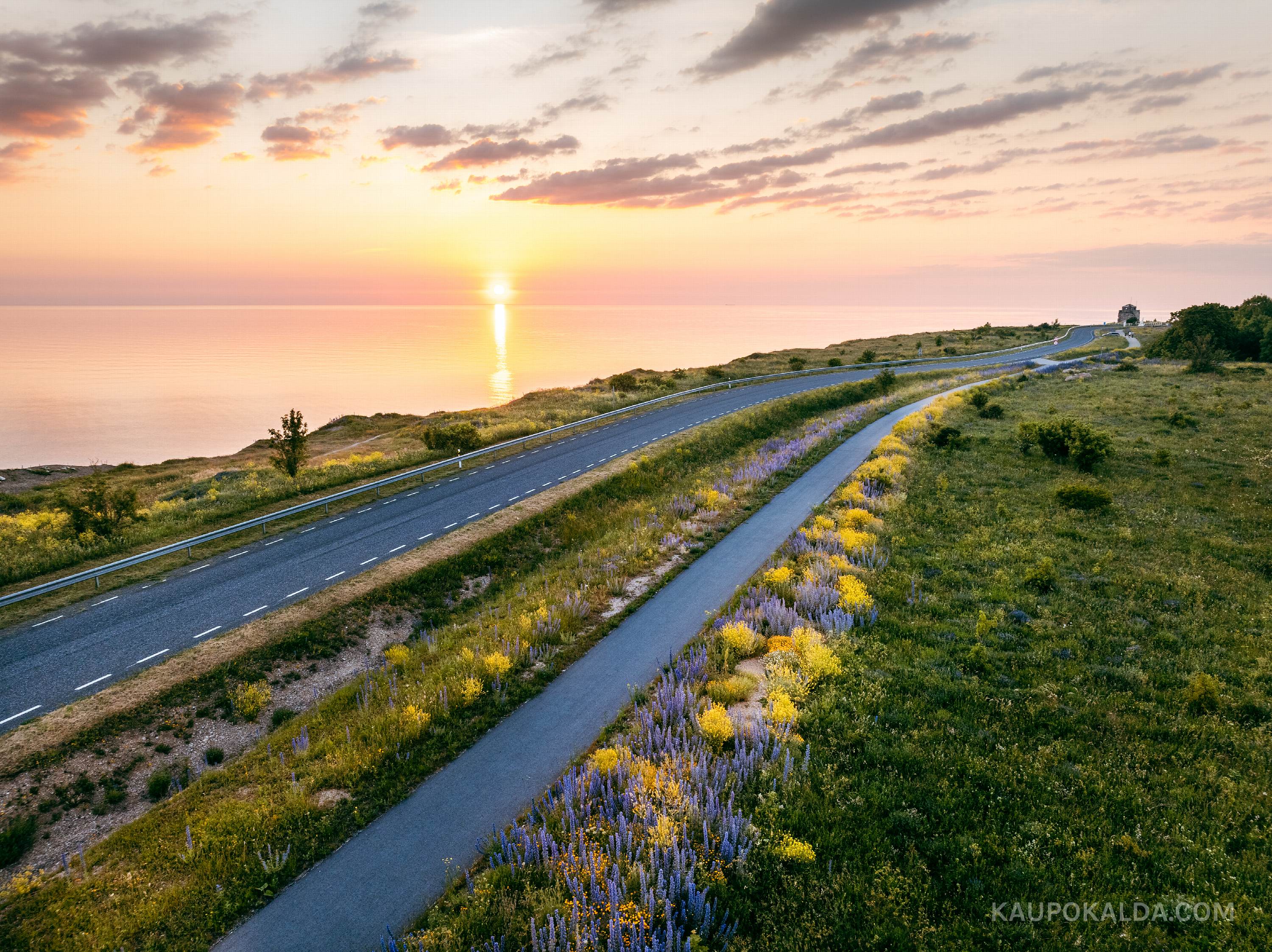
Drone photography is usually associated with "altitude". But that isn't the point at all - a drone frees up ALL the space for you to use. Shooting from very high up often produces rather boring "Google Maps" images; more interesting shots may be taken from a height of one meter, and it doesn't matter at all whether they were taken with a drone or a regular camera.
Of course, one does not rule out the other; every picture has its own purpose. I mostly circle close to the subject, looking for different angles, and take only a few shots from high up to show the surroundings for context. Up close, you capture more detail and emotion. Together, these pictures form a complete series. The telephoto camera added to newer drones helps with this, bringing details even closer.
At lower altitudes you have to be extra careful not to hit anything. I have even brushed ears of grain with the propellers. You have to be especially careful near people, and even more so when children or animals are nearby.
Compared with a regular camera, shooting from a low altitude also has advantages - you can get to places you might not otherwise reach, whether over water or a bog pool, behind a fence, and you don't trample the crop field either - the camera is hanging in the air. Changing positions is also quick - in a few seconds you can get from one point to another, circle the subject and assess different angles. In the end, you can almost always find an angle that works well, even if it seems hopeless at first.
The particular challenge, of course, is that I can't see every angle of the subject with my own eyes, only through the screen. I can't even say which is better - in one case I can already see the finished composition, but I miss out on being physically present. For example, I took a couple of test shots of the Keila Song Festival Grounds without having physically seen them, because I stayed out of sight. So when I walked closer, I was surprised to find that they were several times larger than they had appeared on the screen.
Below are some examples where, so to speak, "height doesn't matter" and nobody looking at the picture would probably think it was taken by a drone.
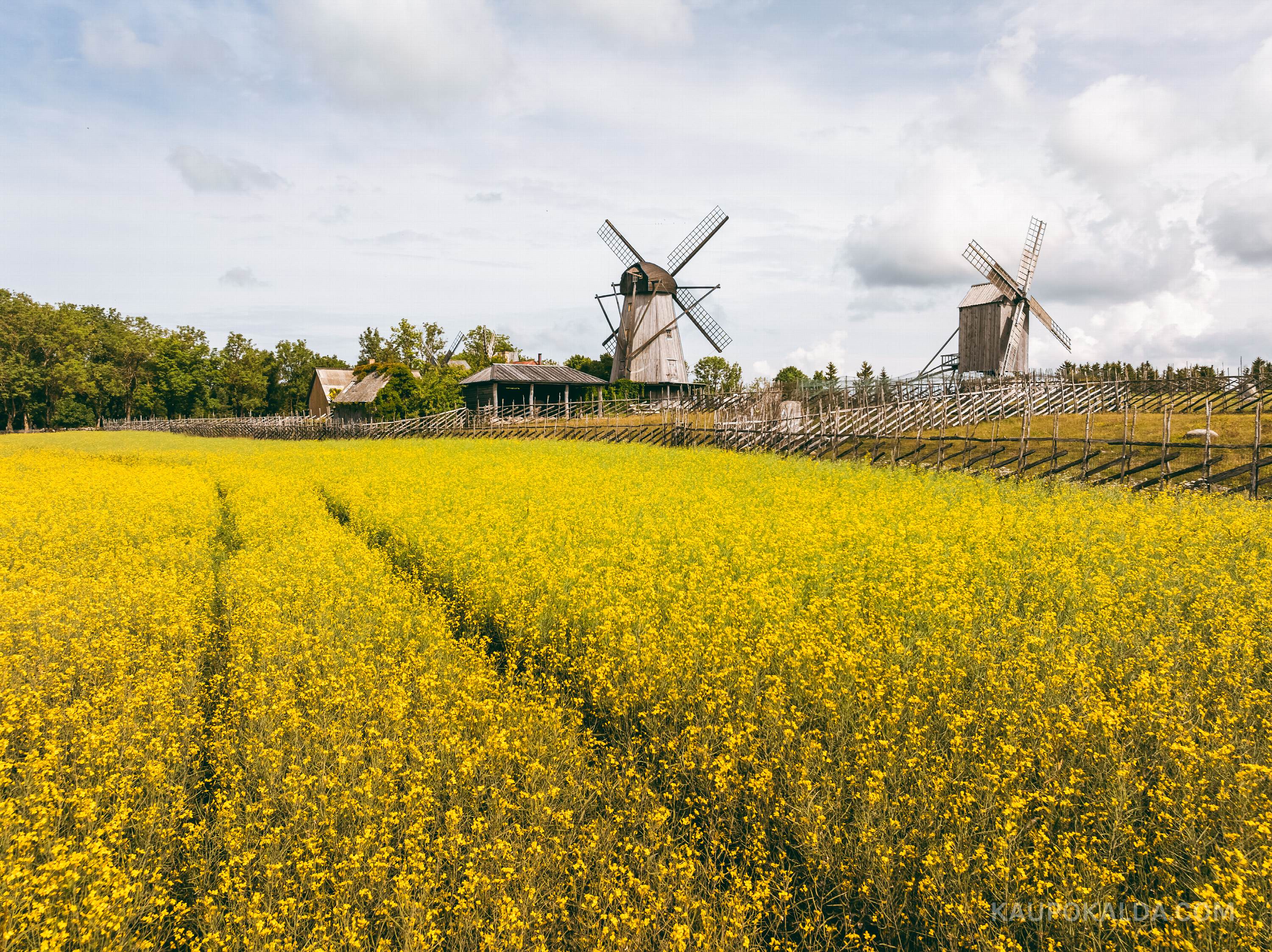
I couldn’t have reached this spot on foot - there was a fence in the way, with rapeseed below. I probably wouldn’t have managed the composition well either, because I still needed to be a couple of metres higher.
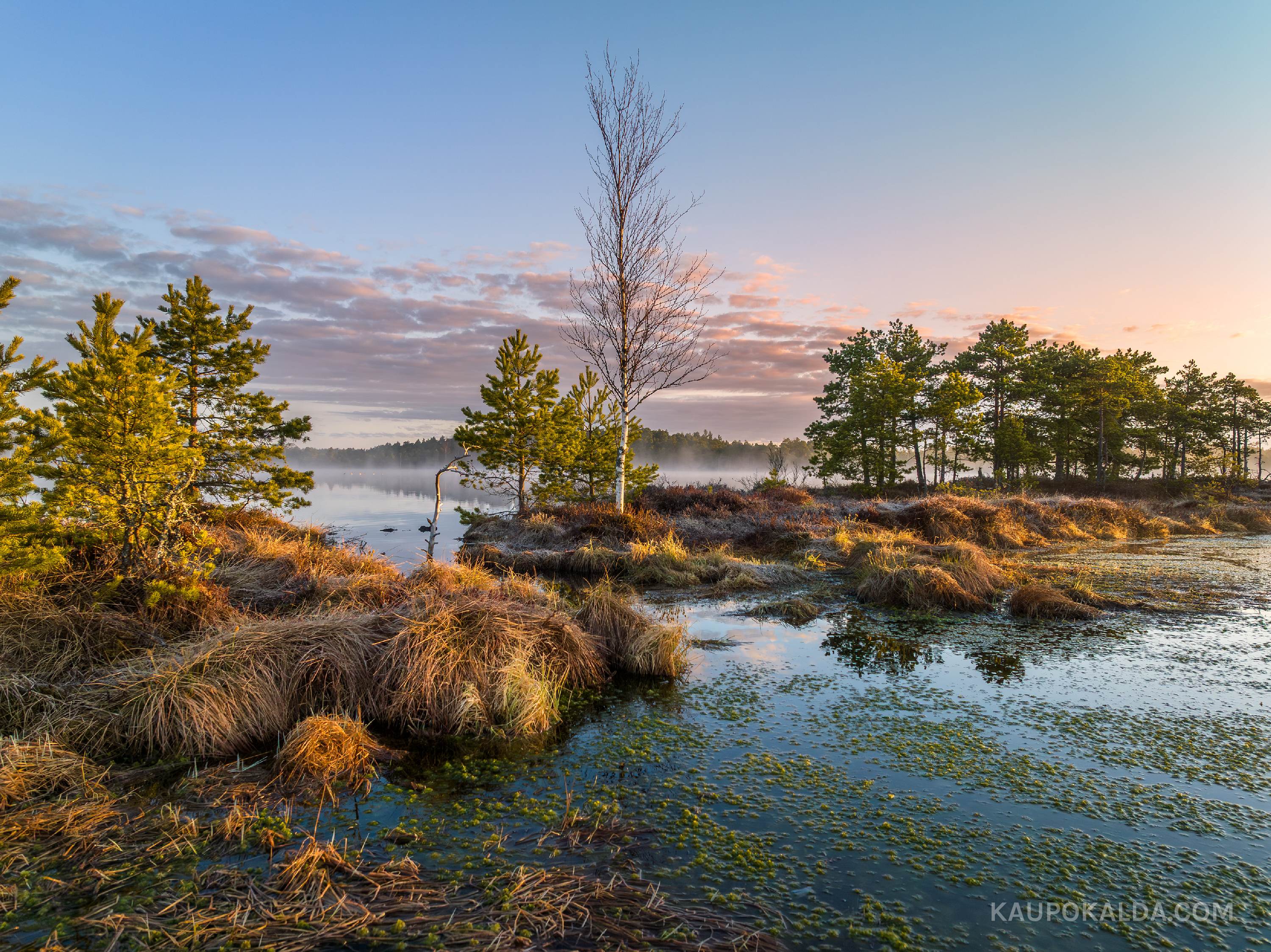
The bog photo was taken about a metre above a spot where I couldn't have stepped - above a bog pool.
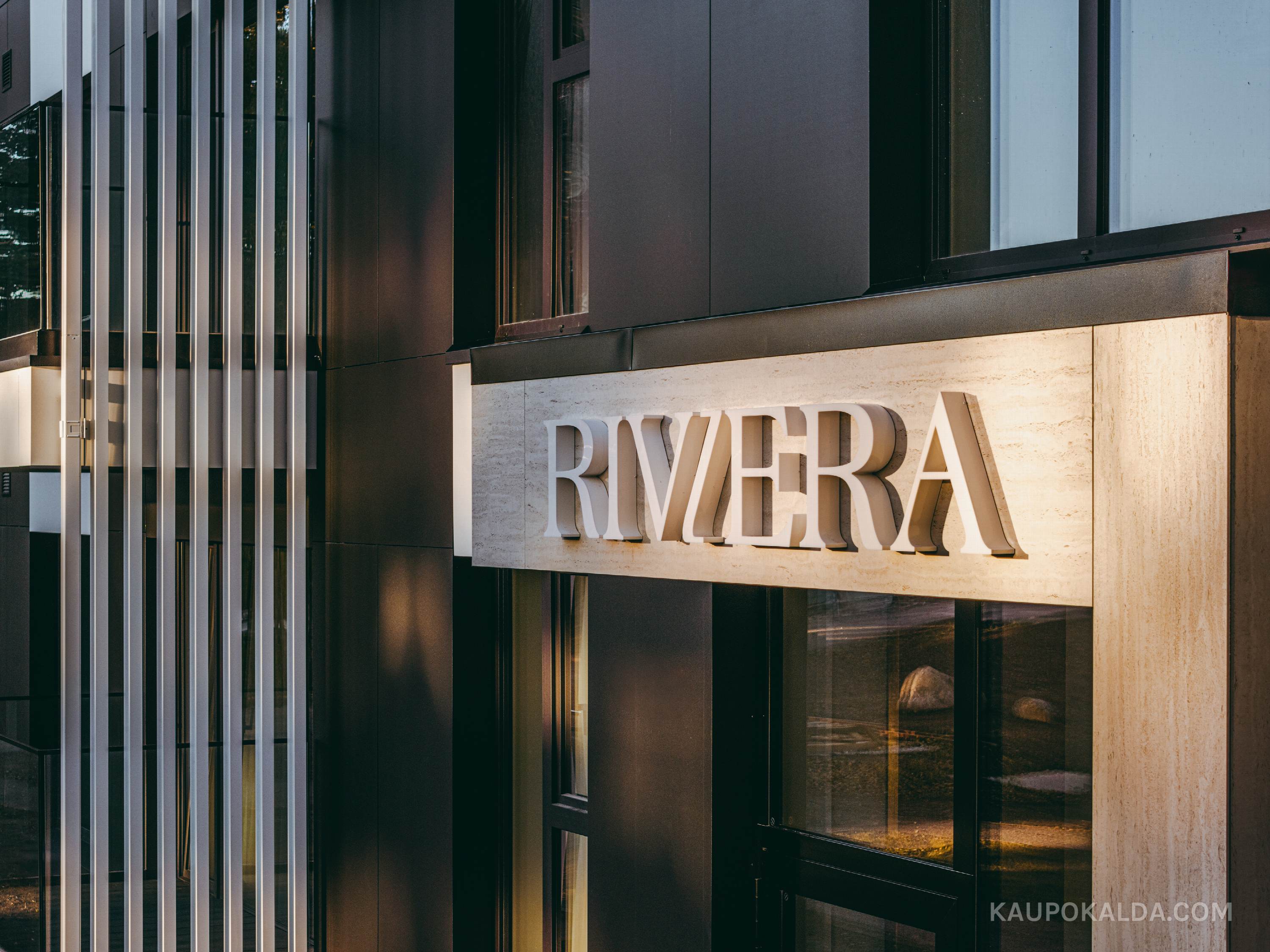
In architecture, you can photograph details from a low position with a telephoto lens and be, so to speak, on a par with a regular camera. Here, however, I should have set the tripod at a height of about 2.5m.
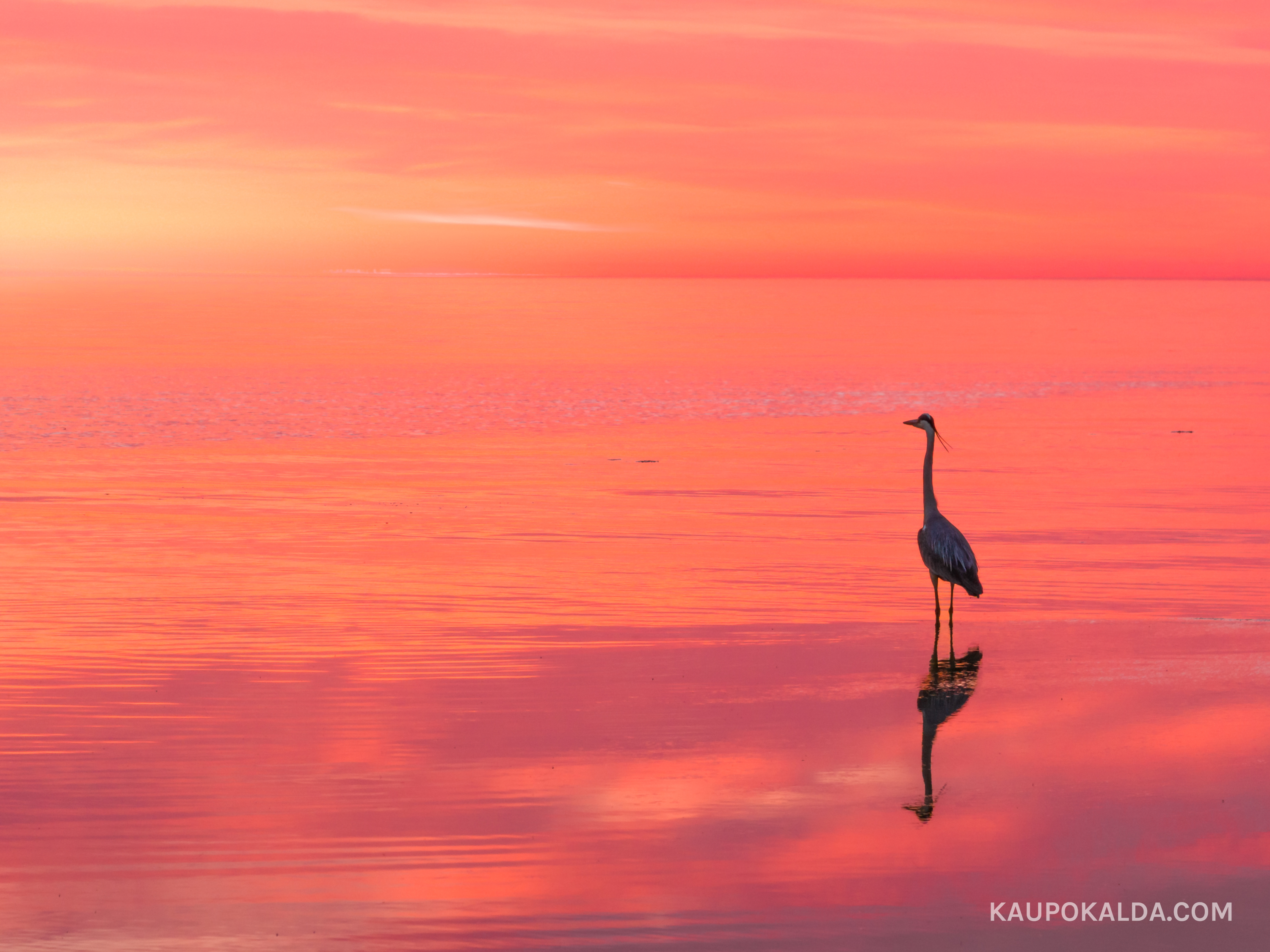
This photo was possible thanks to a telephoto lens, so the bird wasn't afraid of the drone. I was even farther away on the shore and therefore didn't disturb it either.
This photo of the Pakri peninsula coast is what you might call half-low - low, but still a good 5 metres up. This makes the road visible winding farther into the distance, and the sea visible over the cliff edge.
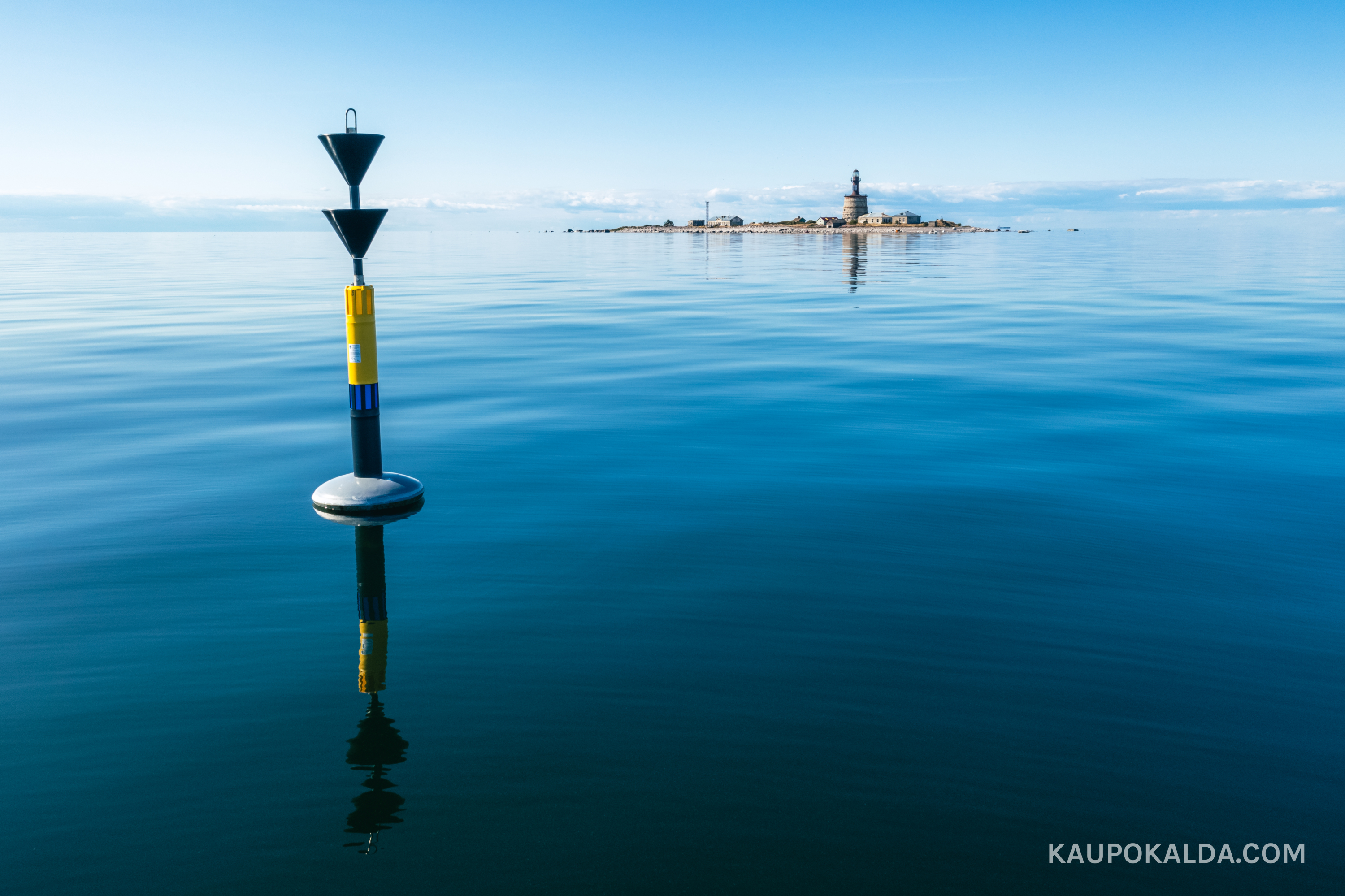
The Keri buoy is a few hundred m from shore. Of course, you can also get there by boat, and people do, but to capture that mirror-smooth moment I got there from the island keeper's house in a few dozen seconds.
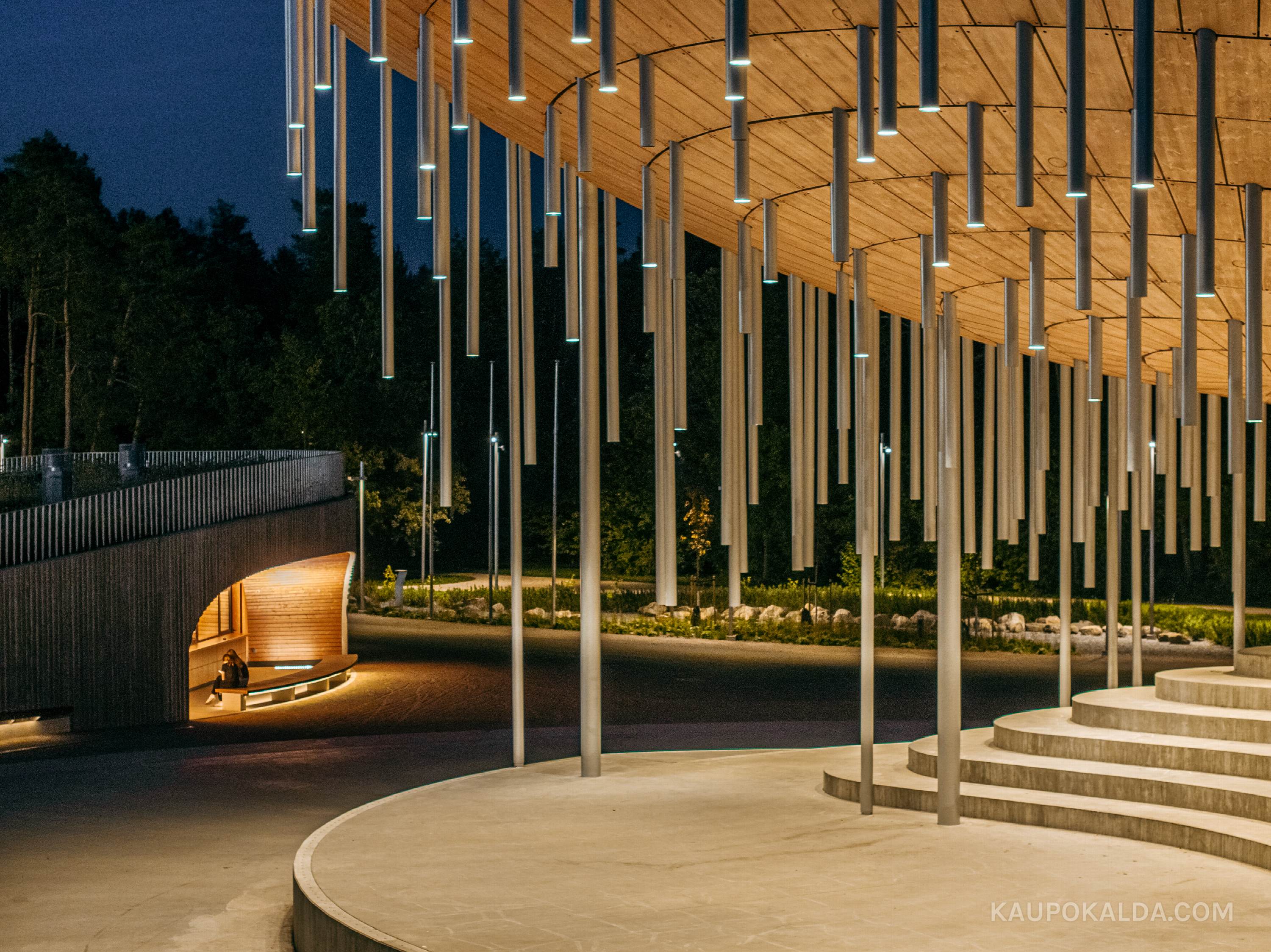
This wonderful UFO in Keila was fascinating to photograph. I'd taken a couple of test shots from a distance, without being there myself, so I was quite surprised on site - it's bigger than it looked on the screen. It seemed as though people would hit their heads on the pipes, but in reality they're several metres high. That's why drone photography is different in some places - you're less present, there's a screen in between.