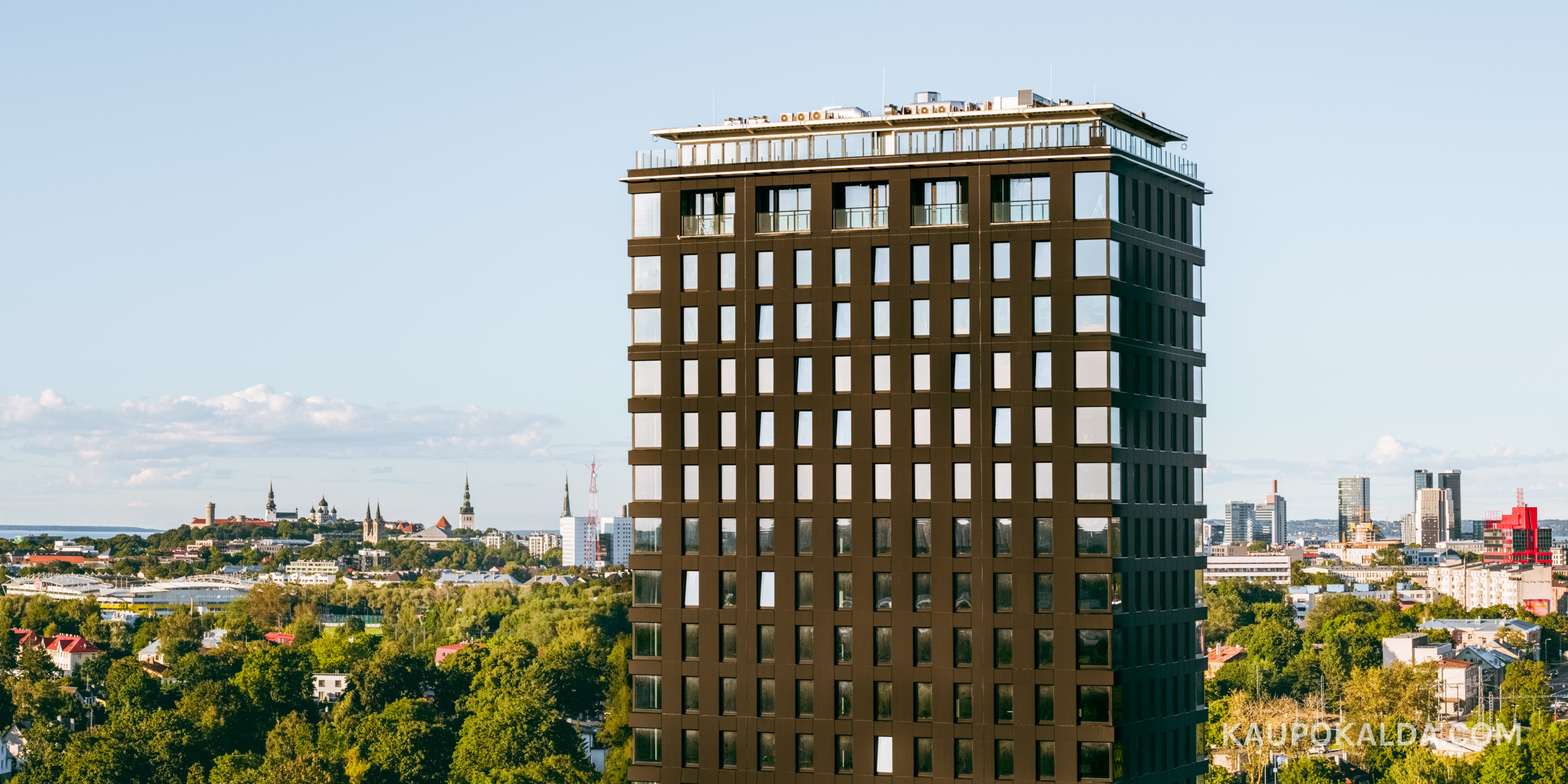
Drone wars - should we be afraid of them?
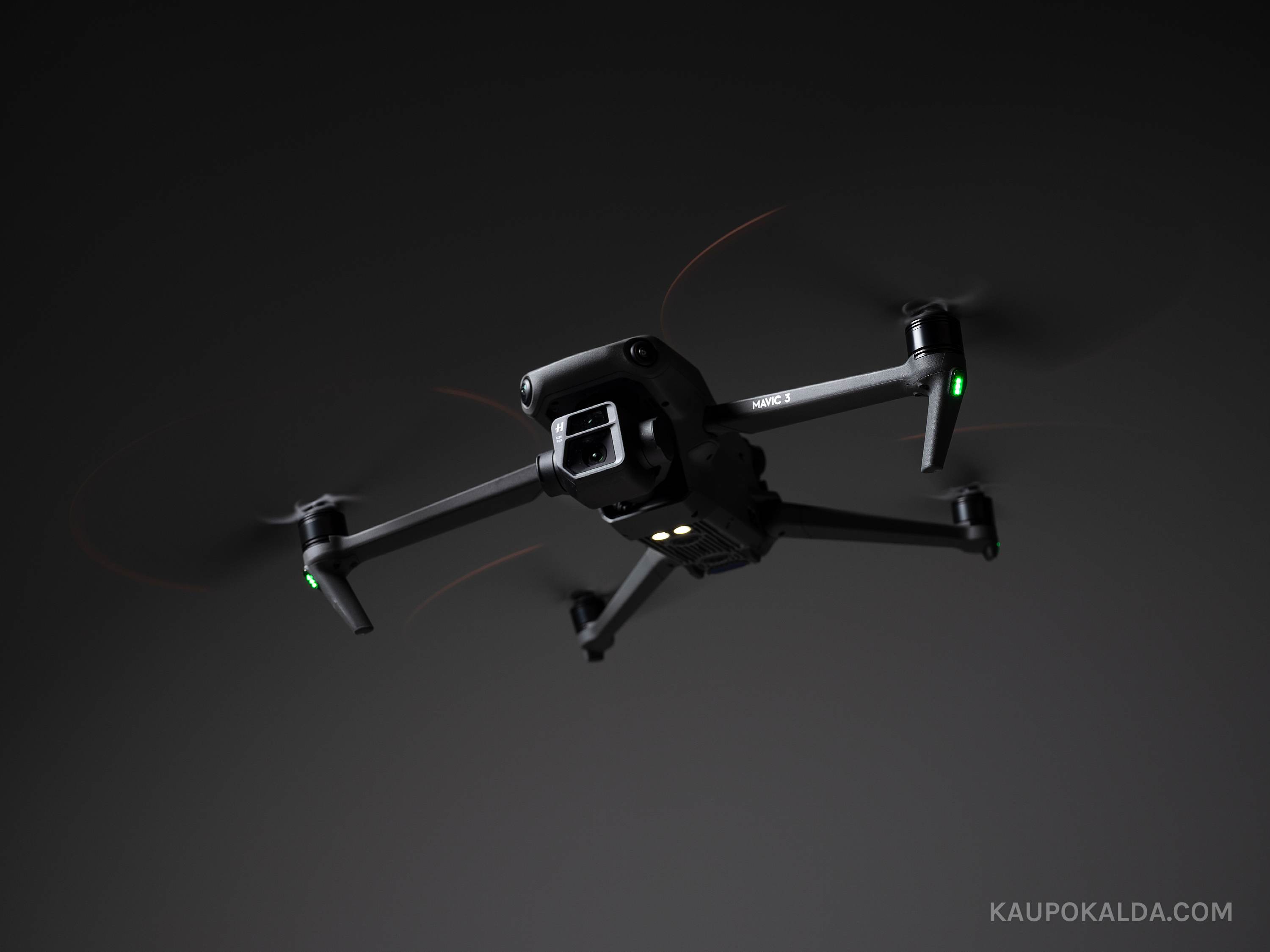
"Spoiler alert" - in war, yes, in Estonia, no. In a recent Foreign Intelligence Service in the annual report the word "drone" is mentioned 94 times. As a professional drone photographer, I’m a little concerned that the same word that describes my profession has become an everyday term in war. I’d really like some other word or variation to be used - attack drone, reconnaissance drone or the like. At least that much. But the damage to the field’s reputation has already been done.
Drones in war
One of the key features of the war in Ukraine is drones. Never before have they been used on this scale, and they are here to stay. In the future, they will surely gain increasing AI capabilities for both reconnaissance and attacks. At what point does a drone’s AI decide to blow someone up? Maybe it already does today.
Currently, hundreds of thousands, if not millions, of drones are being made each year for this war, on both sides. They are used for reconnaissance directly on the battlefield, to chase the enemy, drop grenades on their heads or fly straight into a tank hatch carrying an explosive device.
The Russians are particularly brutal, using drones to hunt civilians on the front line as well. Sadistic entertainment, but that has long since ceased to be a surprise. Those aircraft-like devices that fly as far as Moscow are also drones - unmanned (air) vehicles. Even the watercraft used to sink Russian ships are drones.
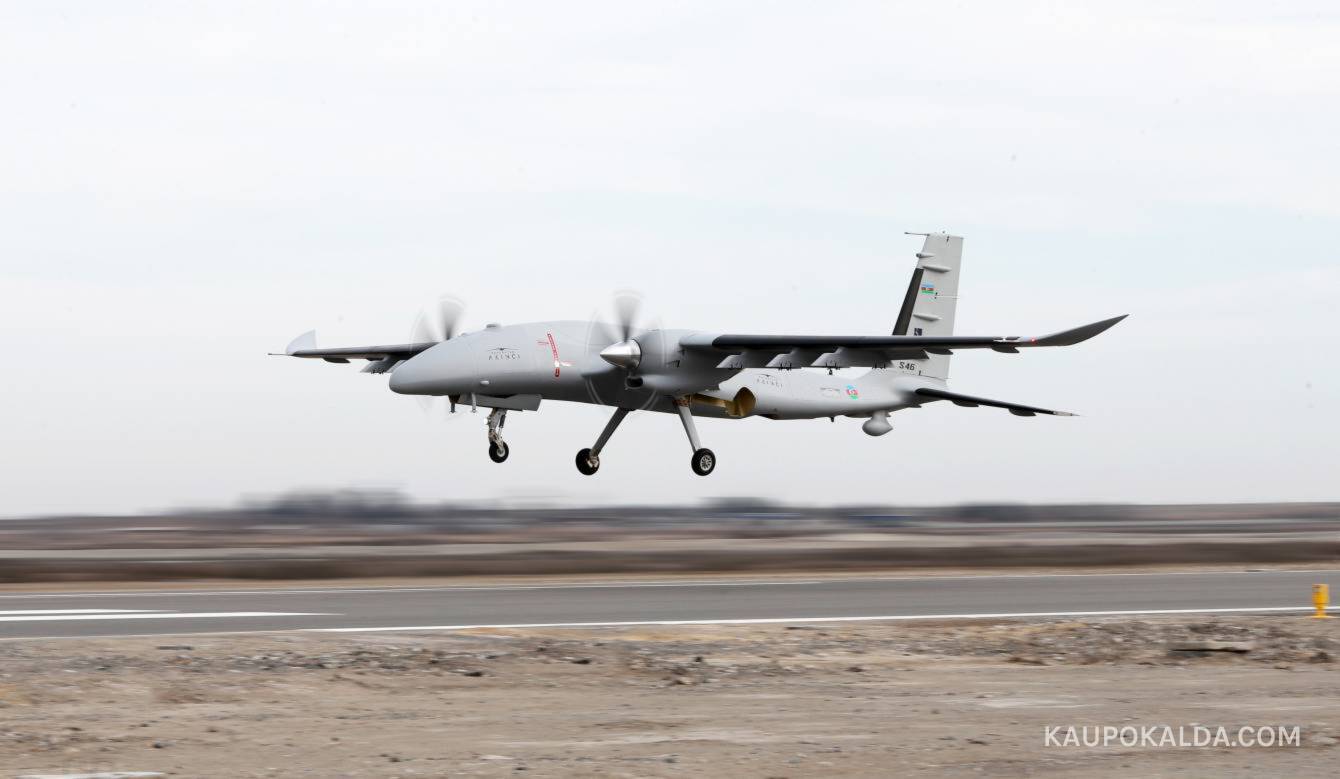
Whereas military drones used to be predominantly aircraft-like machines, perhaps controlled from somewhere across the ocean, many ordinary off-the-shelf drones are now also in use. They are used mainly for reconnaissance. My own work tool is also a popular model in the war, because it has considerable zoom capability. Estonian drone sellers' revenues have grown severalfold during the war. Ukraine has now launched a massive drone industry, and drones are being manufactured locally in a cost-effective way. Recently, there was also an article about drone technology in the war Forte. A significant defence drone industry is also emerging in Estonia; a story about it was written by Eyewitness.
Estonian conscripts are also practising bringing down hostile drones today:
Attitudes towards drones have become more cautious
Here in Estonia, camera drones are used for civilian photography and video. Mostly nobody uses them to do harm, although an ordinary civilian device like this could end up in the hands of a criminal, just like a security camera or binoculars. I have noticed a change in my work: during the 2024 season, the police were called three times because of my drone. It was due to a lack of understanding: some drone is hovering near a building and looking at it from every angle. I completely understand the discomfort.
I usually ask my client to notify the building's residents when I go to take photos, but sometimes this doesn't work out, is forgotten or doesn't reach all the residents. To photograph one building, I often have to go near another building instead. Then it isn't possible to notify everyone, as there may be hundreds of buildings, and bad weather can make the date of the shoot uncertain for weeks. If I see someone, I often call out proactively and explain. Everyone has been friendly in response, thank you.
The only situation arising from the war that I have encountered is due to Russian GPS jammers, with drones tending to lose their GPS signal - the closer to the eastern border, the more often. It even happened to me once on Keri island at an altitude of over 60m; on the same day we also saw the "fin" of a Russian submarine on the horizon.
Stories of when the law came to check on me
Over the past 10 years, the authorities have been called a few times before, but now 3 times in a single season. This shows that the war has created an (understandably) negative perception of drones.
I recently set a personal “record” - while photographing a real estate development at night near a military site in Tallinn, no fewer than 4 cars arrived, with some people wearing military clothing, police uniforms, etc. It happened at a time when Estonia was starting to disconnect from Russia's electricity grid and all units were on heightened alert. In most places in Tallinn, drones no longer need a permit, but you do need to have passed the required drone pilot exam, which of course I have. In addition, certain sites still require you to apply for permission, especially military sites (see drone map).
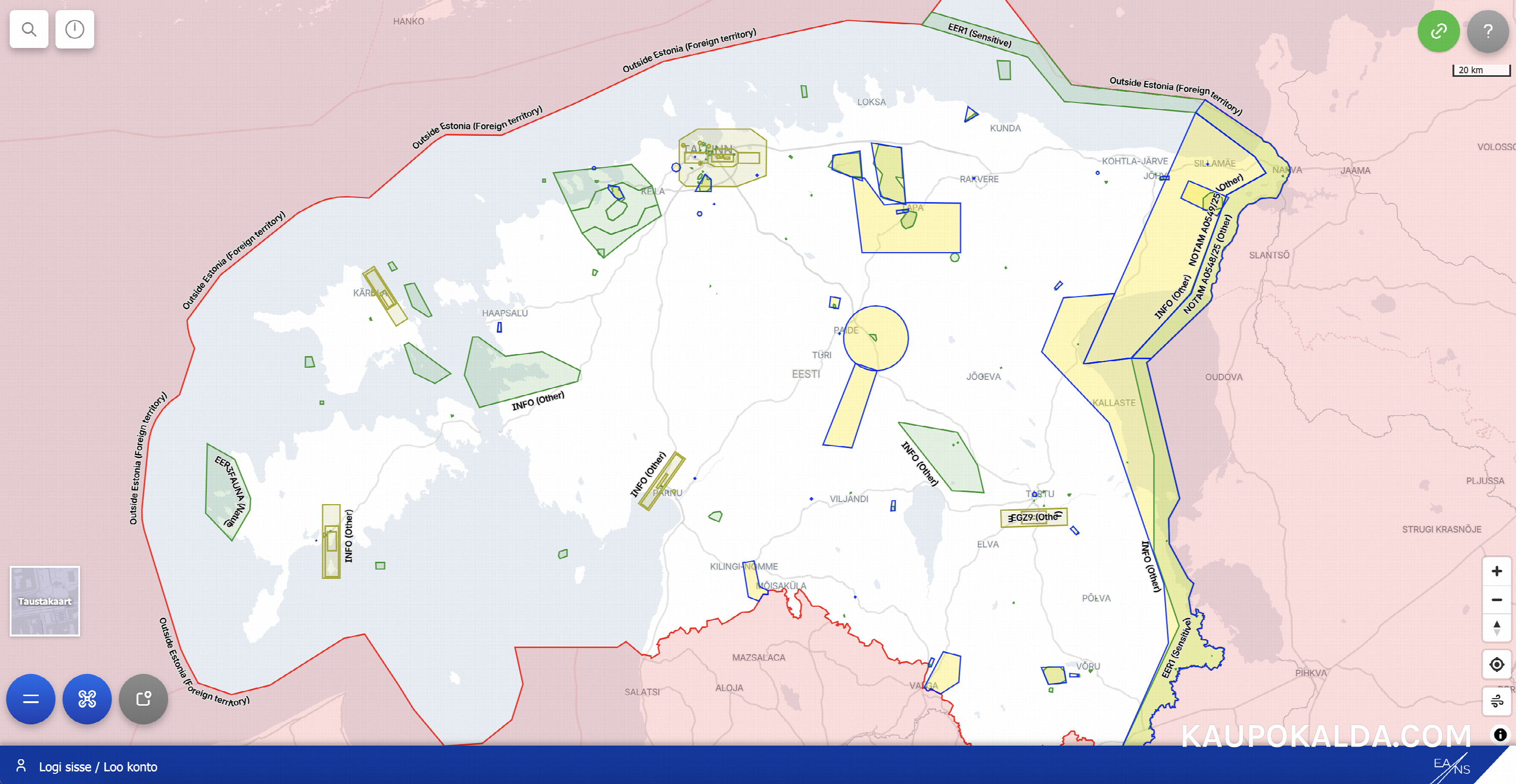
I had photographed near this site dozens of times before, but this time I moved a little closer to the military area, right up to the permitted boundary, and that's where the alarm arose, as my little drone blinked unsuspectingly in the dark night sky. Several carloads of law enforcement officers arrived and checked my ID, the pictures I had taken and the drone controller's log. Everything was professional and friendly and ended calmly. I found myself near the boundary of a military site at a difficult time and, honestly, it's good to know they're keeping a hawk's eye on things.
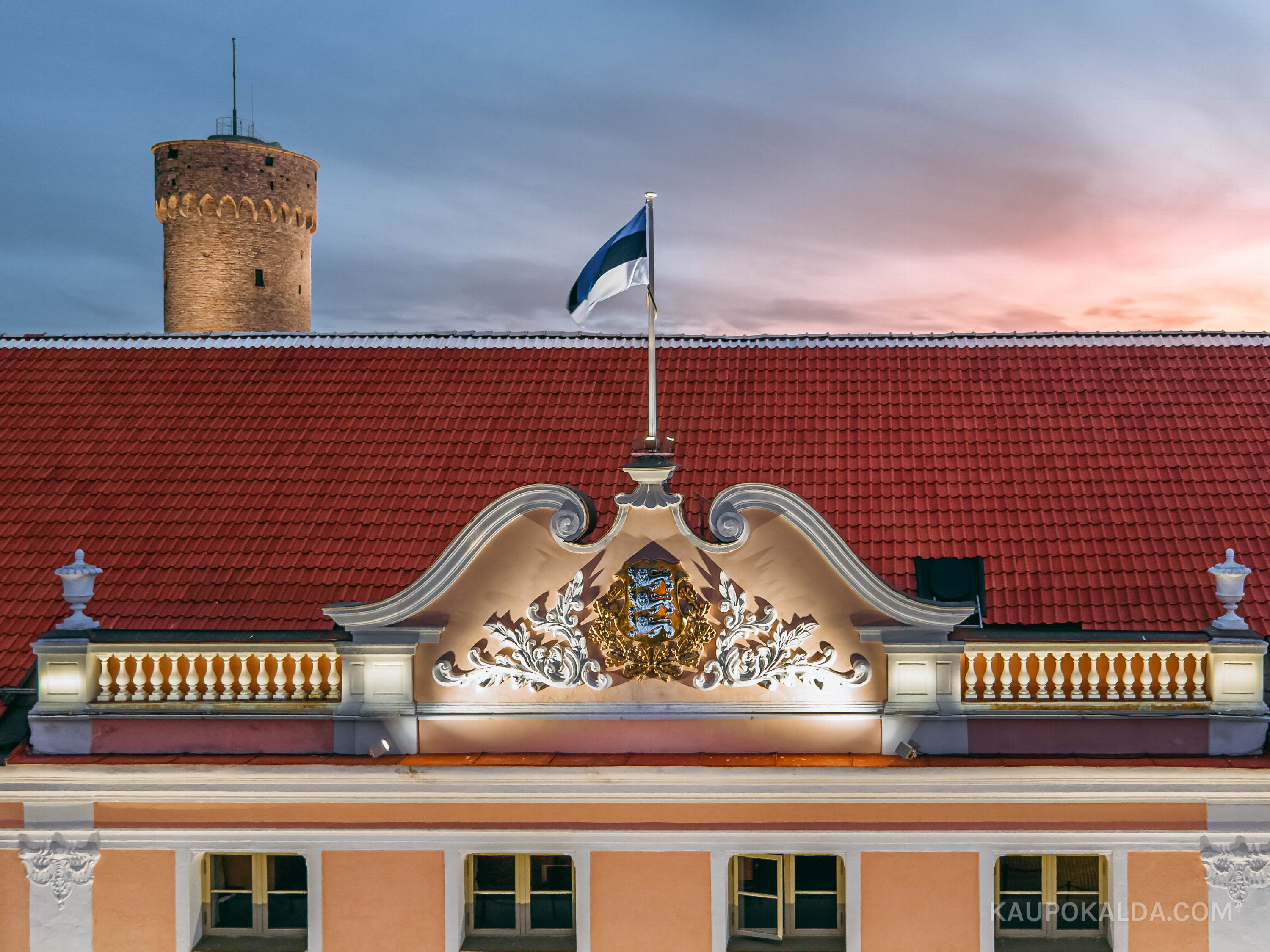
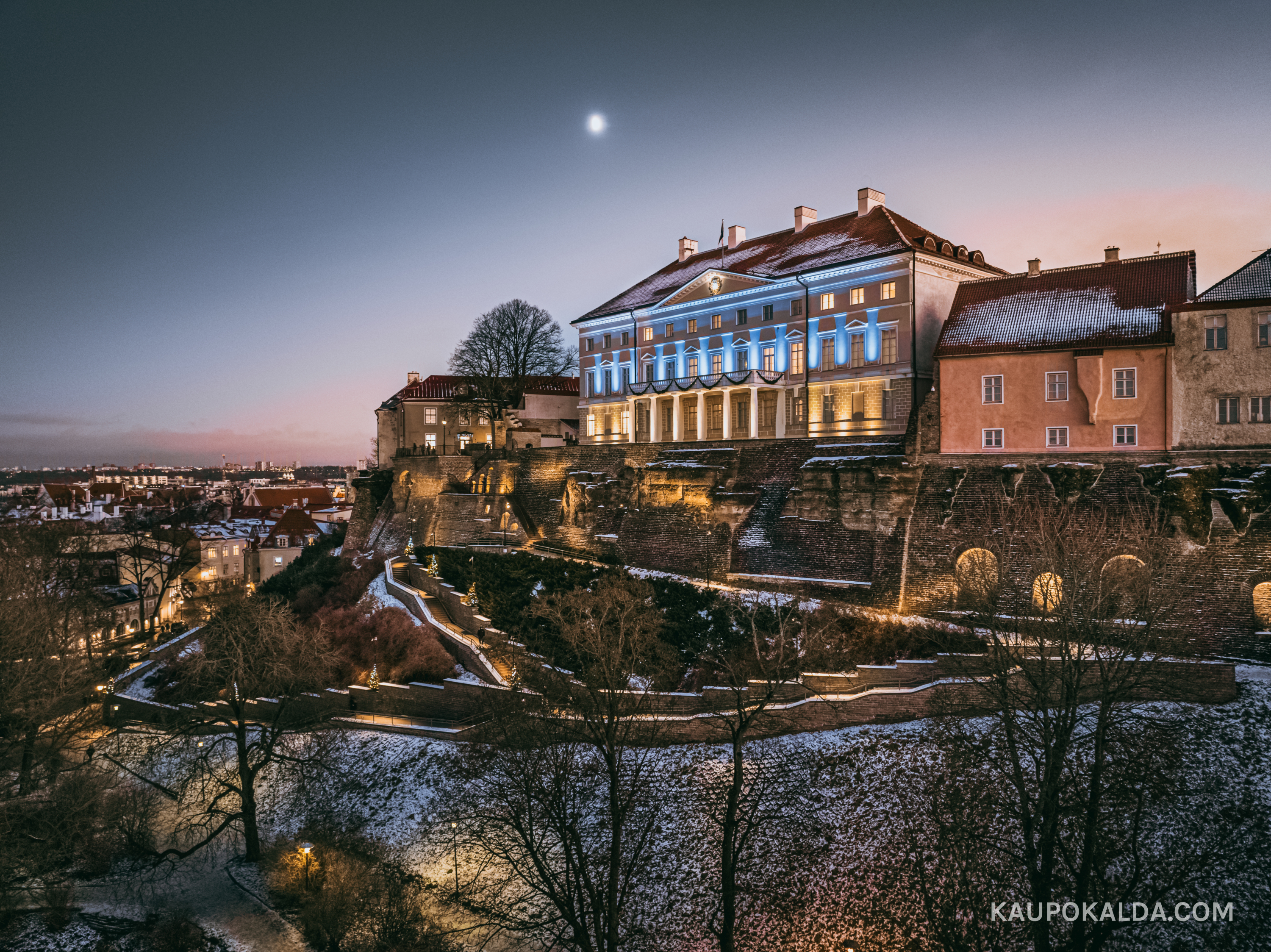
I have been invited to photograph Stenbock House on several occasions. Even then, gentlemen emerged from the darkness and introduced themselves as security police officers. I have also been invited to photograph the Riigikogu castle - that time the police showed up. These are areas that require a separate permit, which I have had.
When we photograph the Song and Dance Celebration - including in 2025 - everything is thoroughly coordinated with the organisers and the police. I have also previously written by.
All of these situations have ultimately been positive. I’m glad that order is maintained and that communication is polite and professional.
In conclusion - drones in Estonia are not dangerous
In a peaceful country, drones are no more dangerous than an axe, a kitchen knife, a telescope or an empty bottle. Granted, you can never be 100% sure, but in 99% of cases none of these objects is a weapon in a person's hands, and that's how they should be treated - in a friendly manner, with brief and informed caution. Please don't approach the pilot aggressively from the outset unless there is a clear violation. 🙏
If you notice a drone that bothers you and can see the pilot, I suggest politely asking what they’re doing. Almost always it’s a photographer or videographer working, an amateur photographer capturing a distant sunset, or just boys playing.
I look forward to the end of the war, and until then I wish this for us here - let's fly safely and take beautiful pictures.