How to choose suitable light for photography

This article series helps you become a better-informed client.
Light plays a major role in an image, creating mood. At the same time, the choice of light can sometimes be dictated by circumstances - the direction and height of the light depend on the time of day and the date. There are also different needs in terms of the mood one wants to convey. For example, a nighttime image of a kindergarten might seem odd. Sometimes you need to photograph in the middle of the day in October, because the sun is low all day anyway and the shadows of neighbouring buildings fall across the scene. Or it may be the only time when the direction of the sunlight is right.
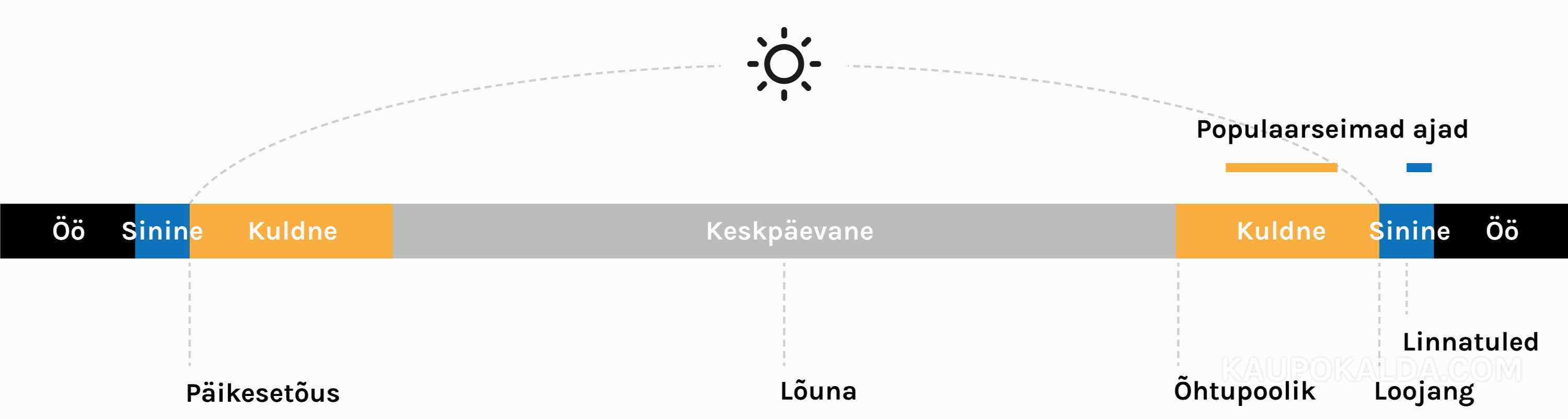
Note that no light is constant - even the golden hour, for example, can be very different, depending on whether there is haze, streaks of cloud or aggressive attention-grabbing cumulus clouds, whether there is colour in the sunset, etc. You can wait and choose to some extent, but when there is a lot of work, there isn’t always time to wait several weeks for that perfect moment and you have to make do compromises. As a result, the commissioned work can often differ from postcard pictures taken at a spectacular sunset, simply because nature did not provide the right light on those days.
Now for the types of light, to make it easier to choose and communicate with me. The times of day for each type of light change considerably throughout the year.
1. Golden - morning or evening
Mood: romantic and warm, sweet, sometimes a little sleepy.
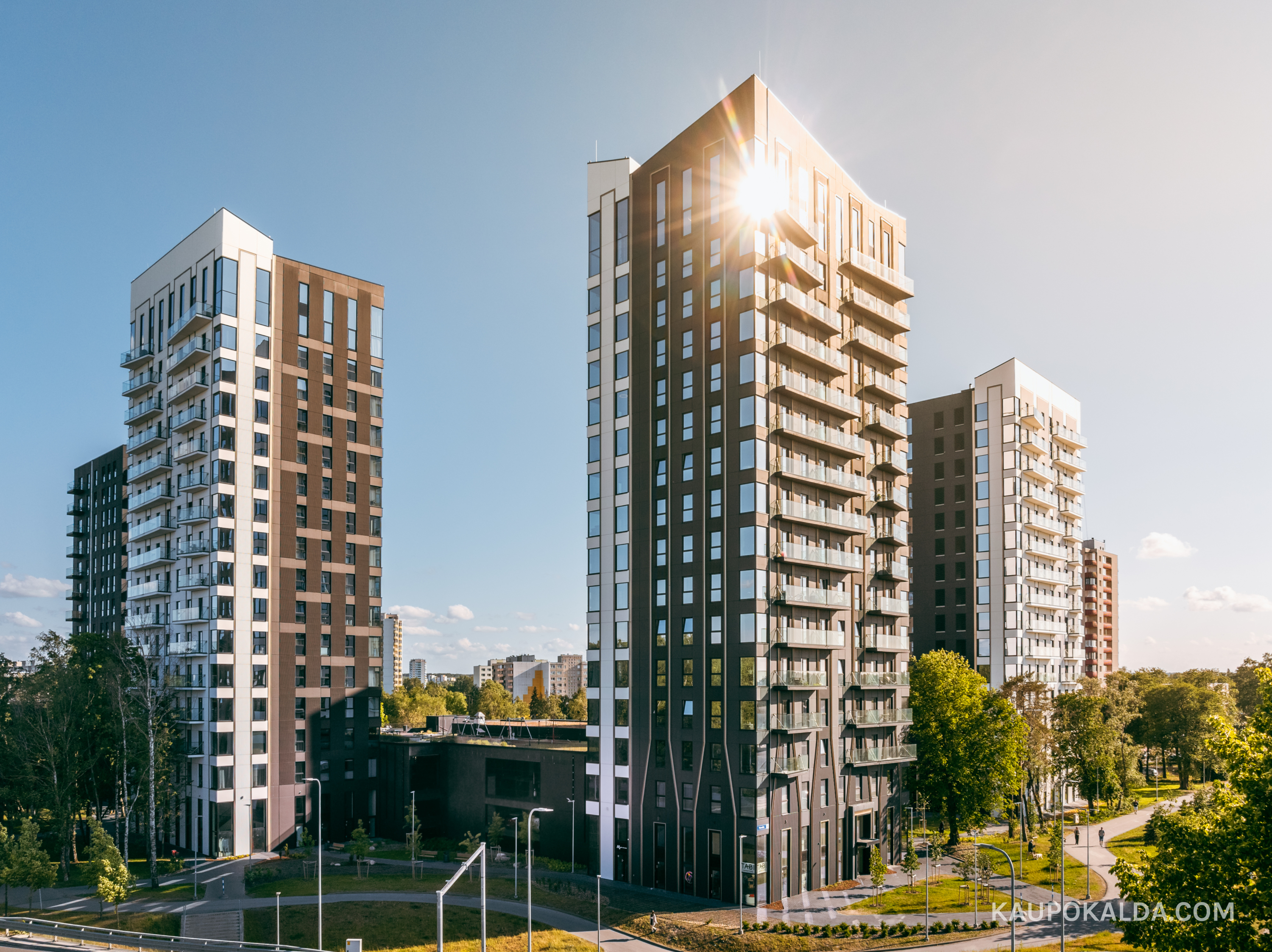
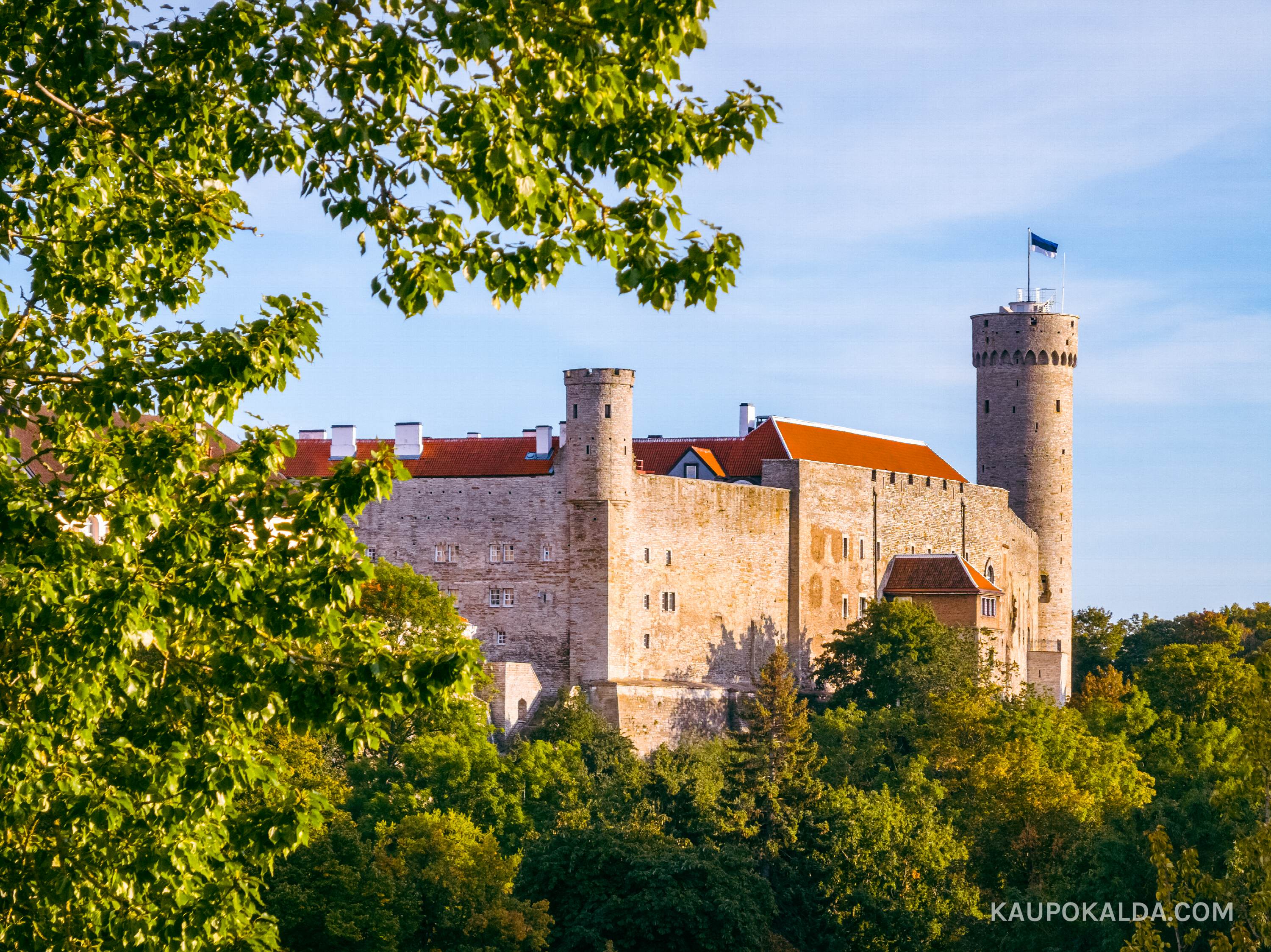
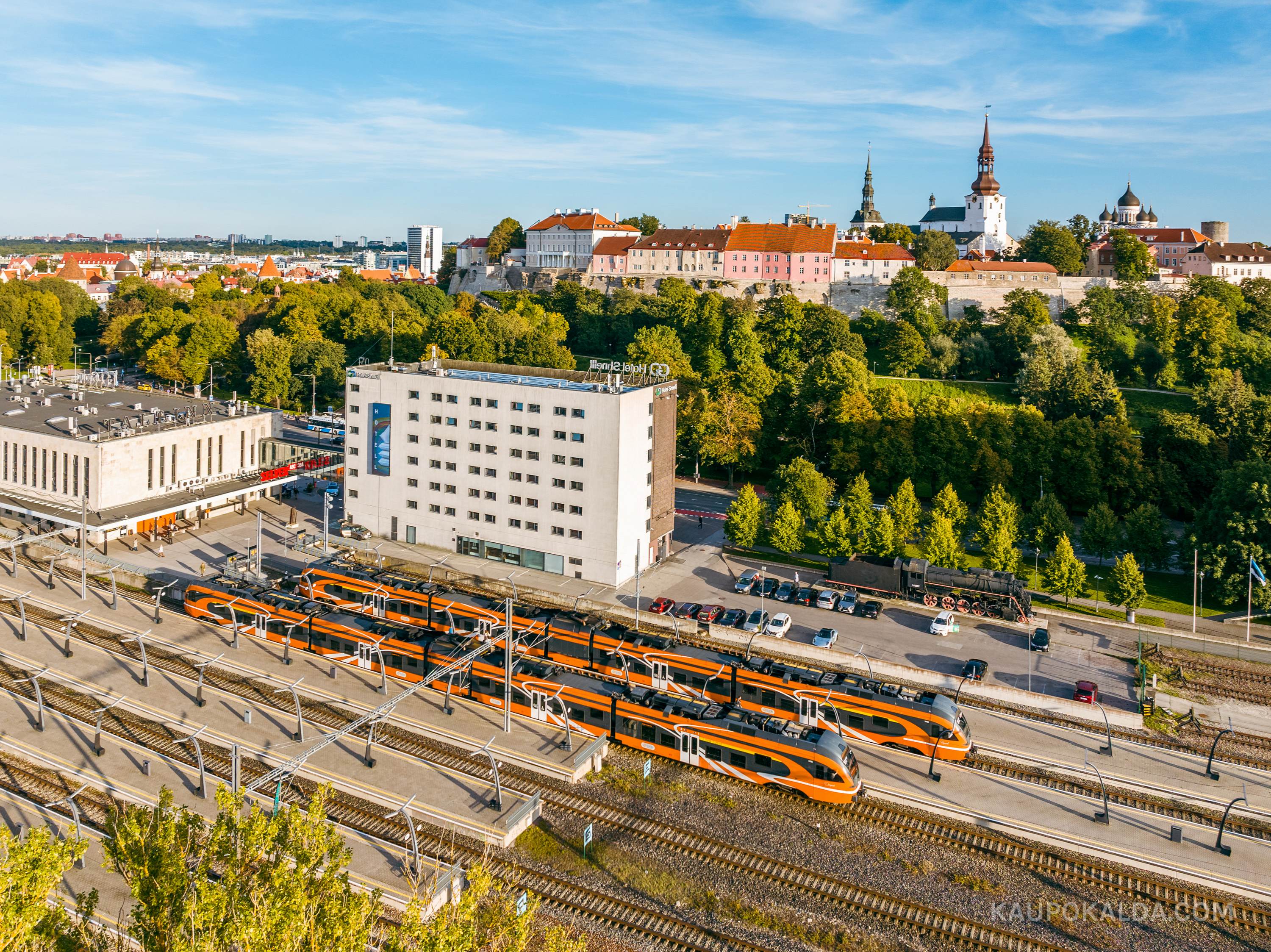
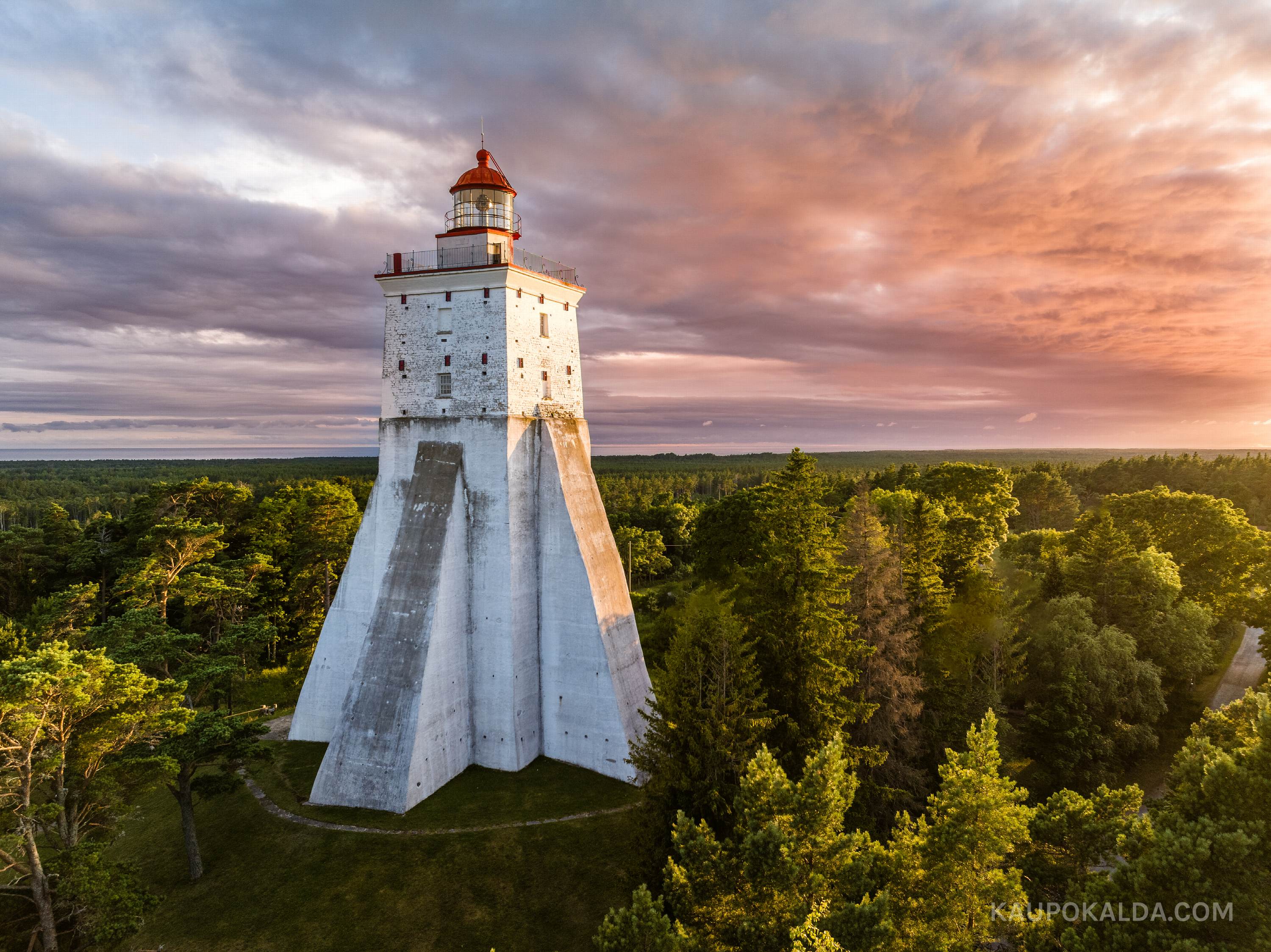
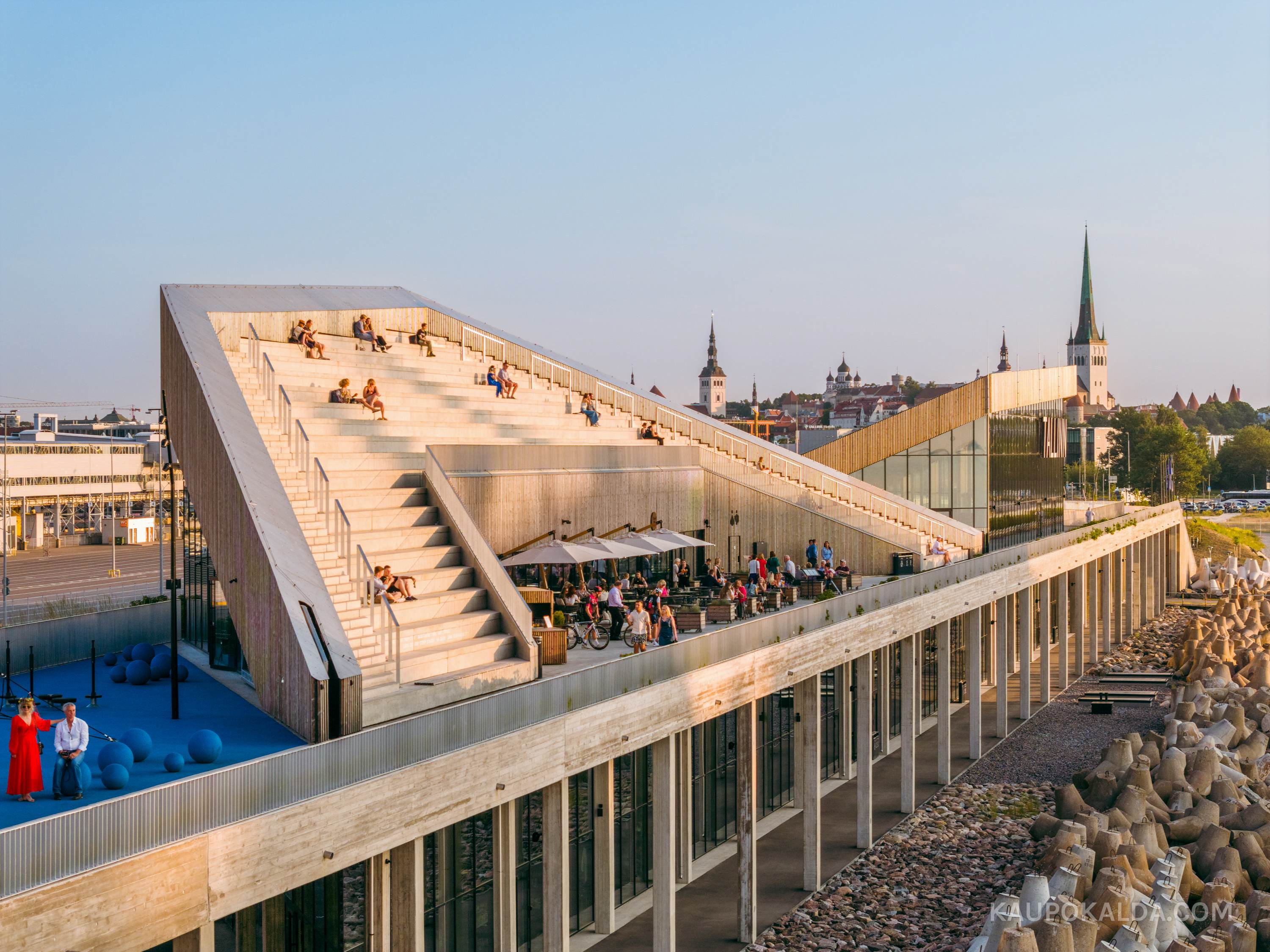
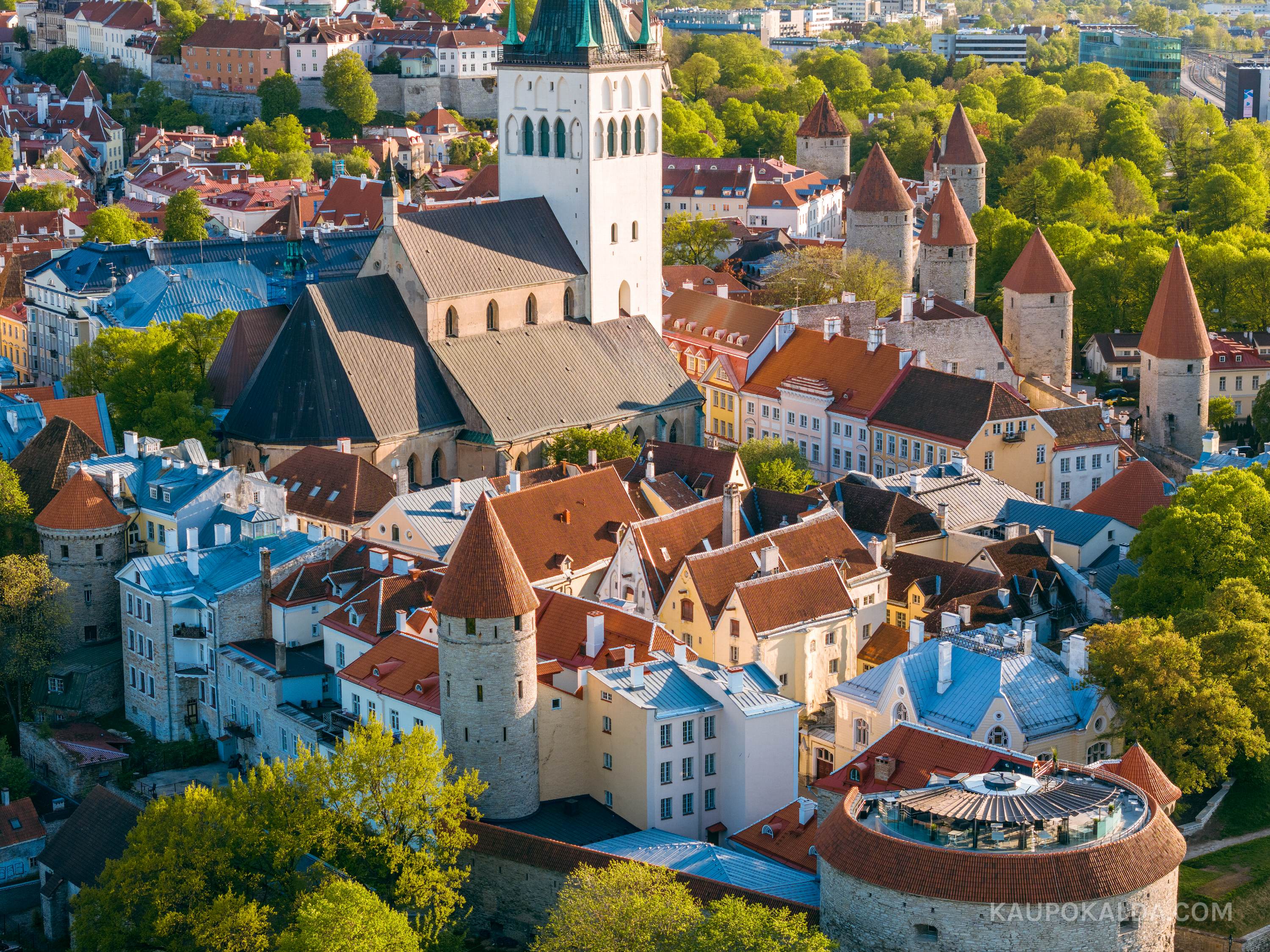
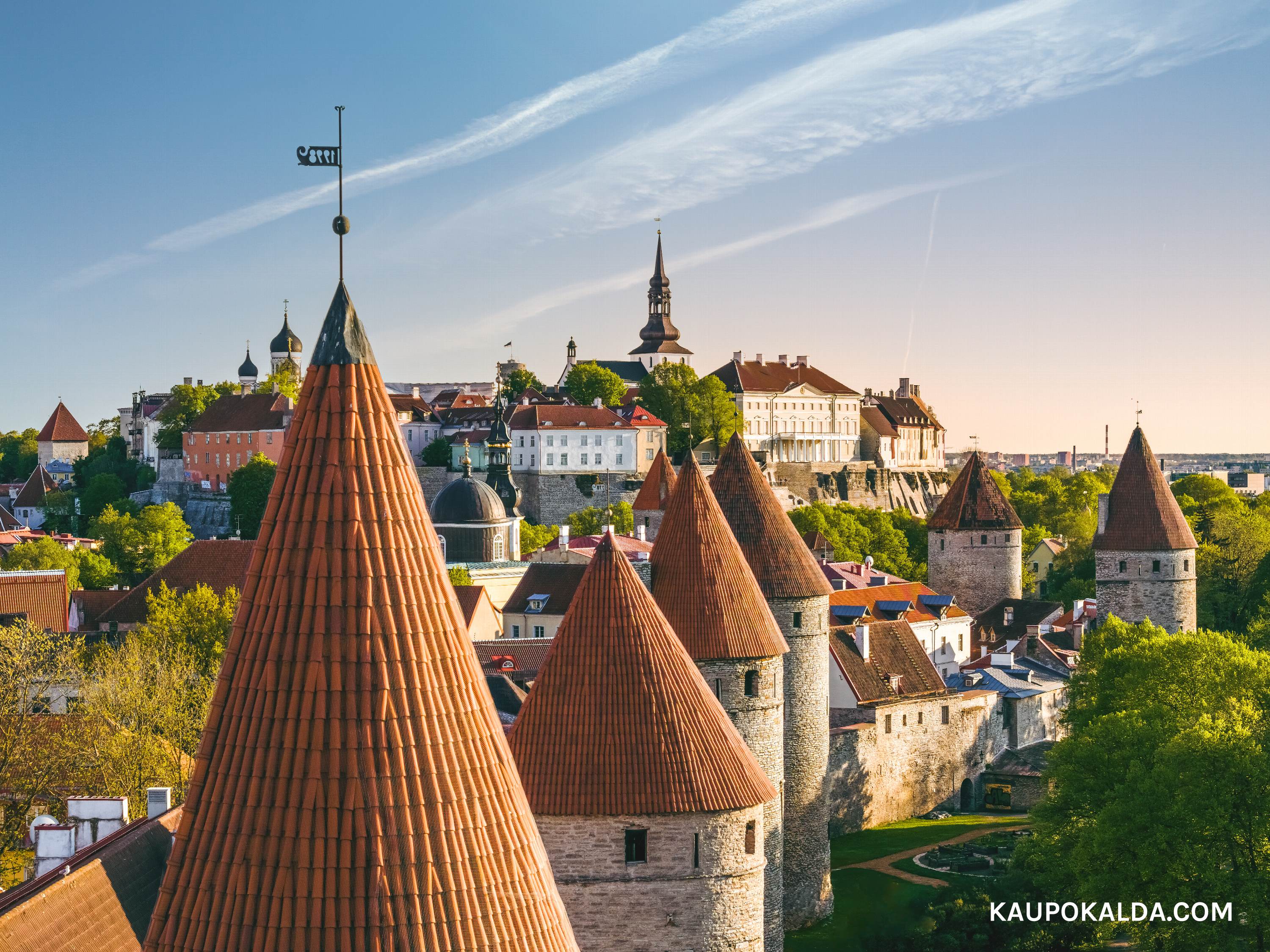
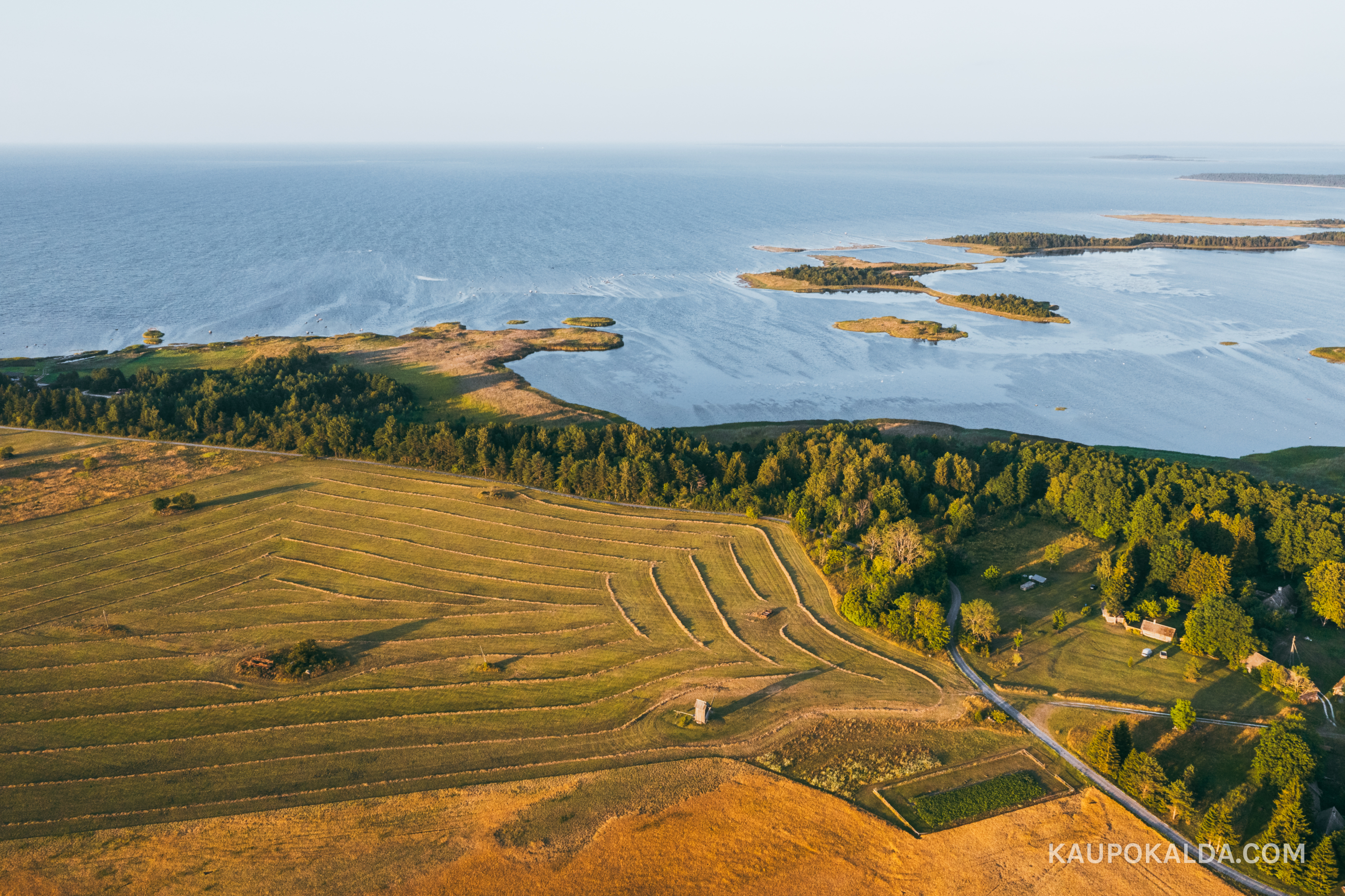
Popular. It is usually about 1-2h after sunrise and 1-2h before sunset. Longer in summer, shorter in winter (it gets dark abruptly). I generally photograph it in the evening. If you try to catch the last of the golden light, it may already be too sleepy.
- Rocca Towers, 2024 (series)
- Toompea Castle
- Go Hotel Shnelli
- Kõpu lighthouse
- Ocean 11 Restaurant, Cruise Terminal (series)
- The colorful Old Town
- A lineup of towers
- Kukka, Hiiumaa
2. Daytime
Mood: more everyday, simple, concrete, raw, fresh, a little boring.
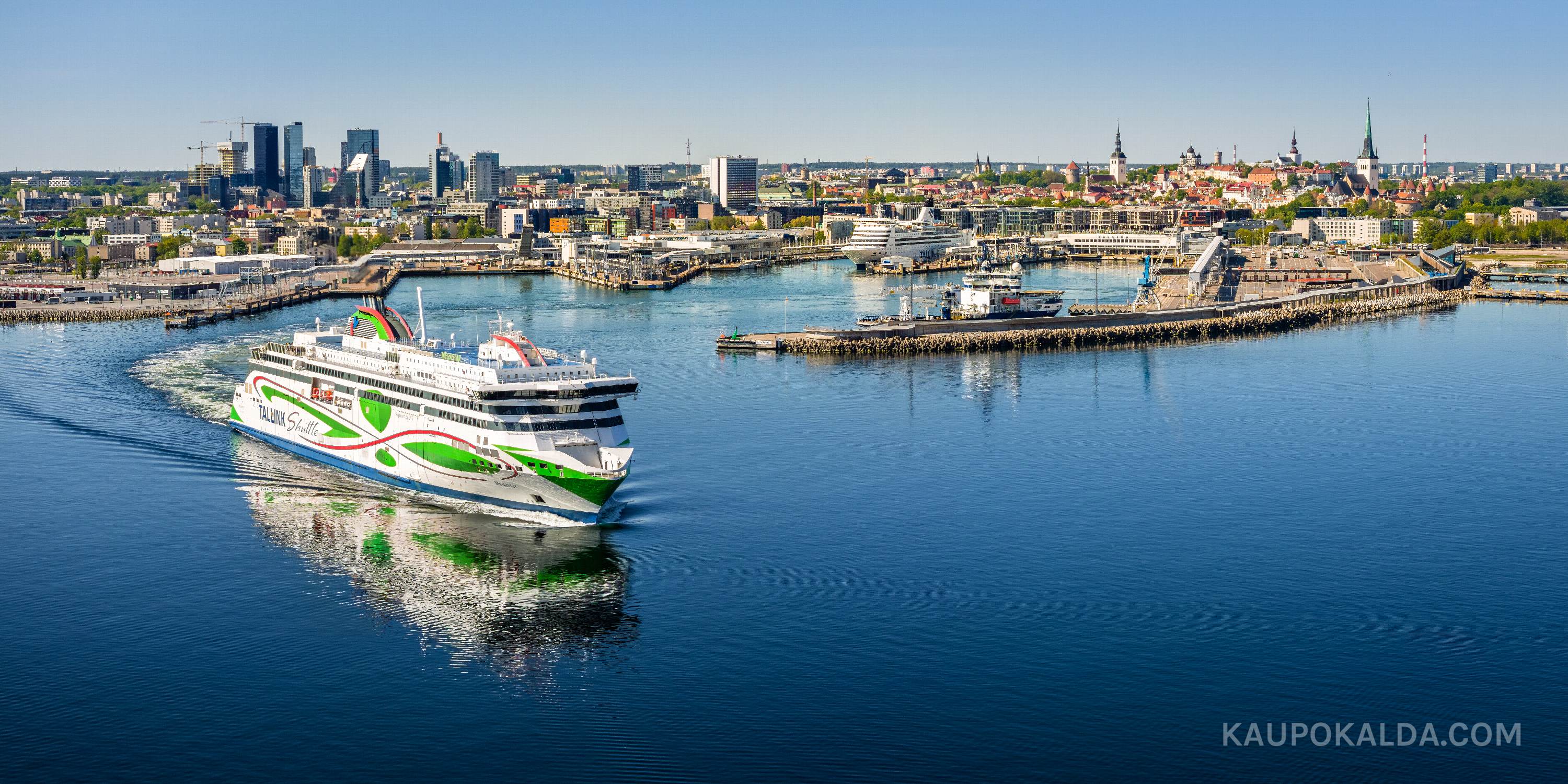
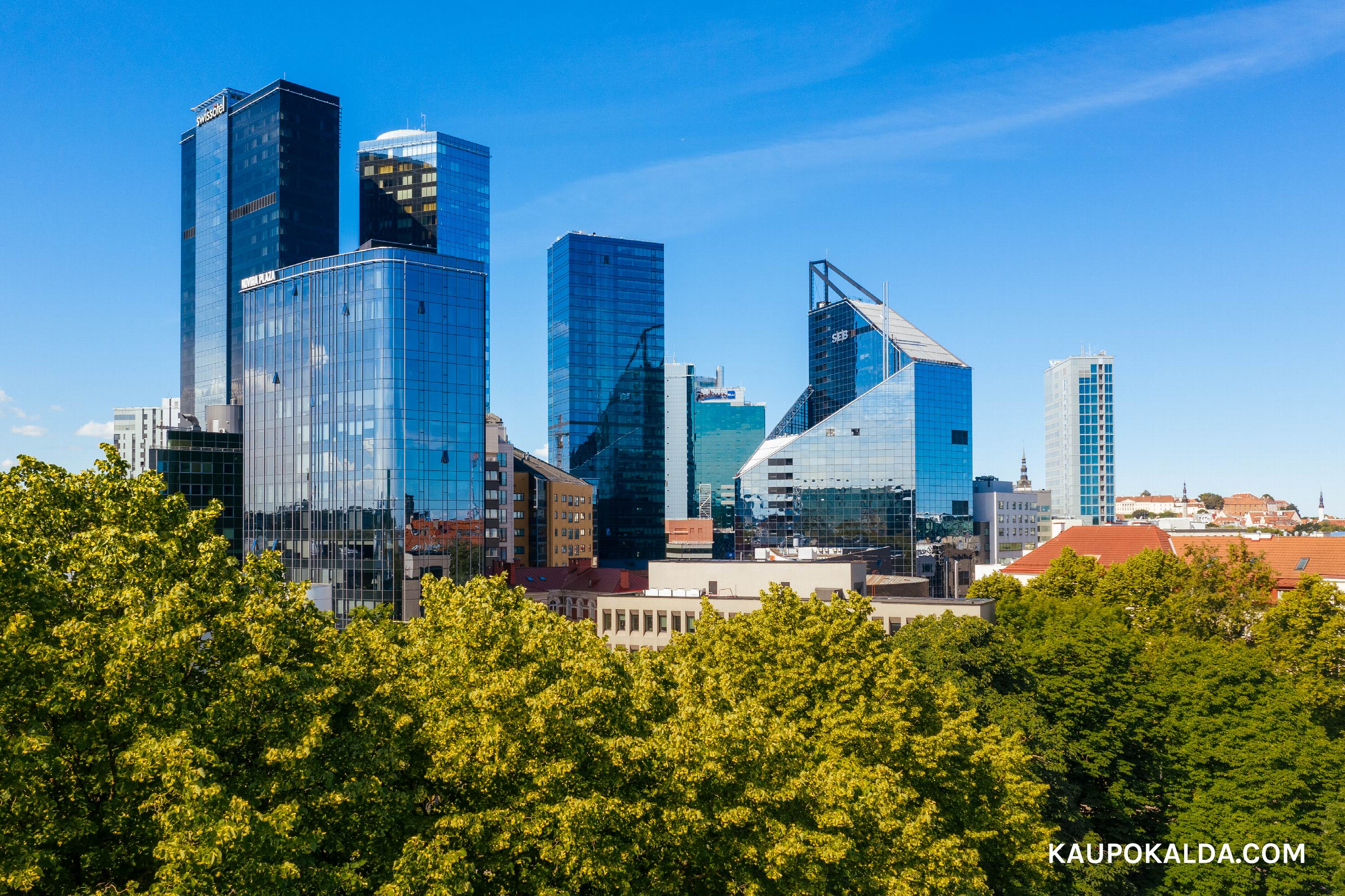
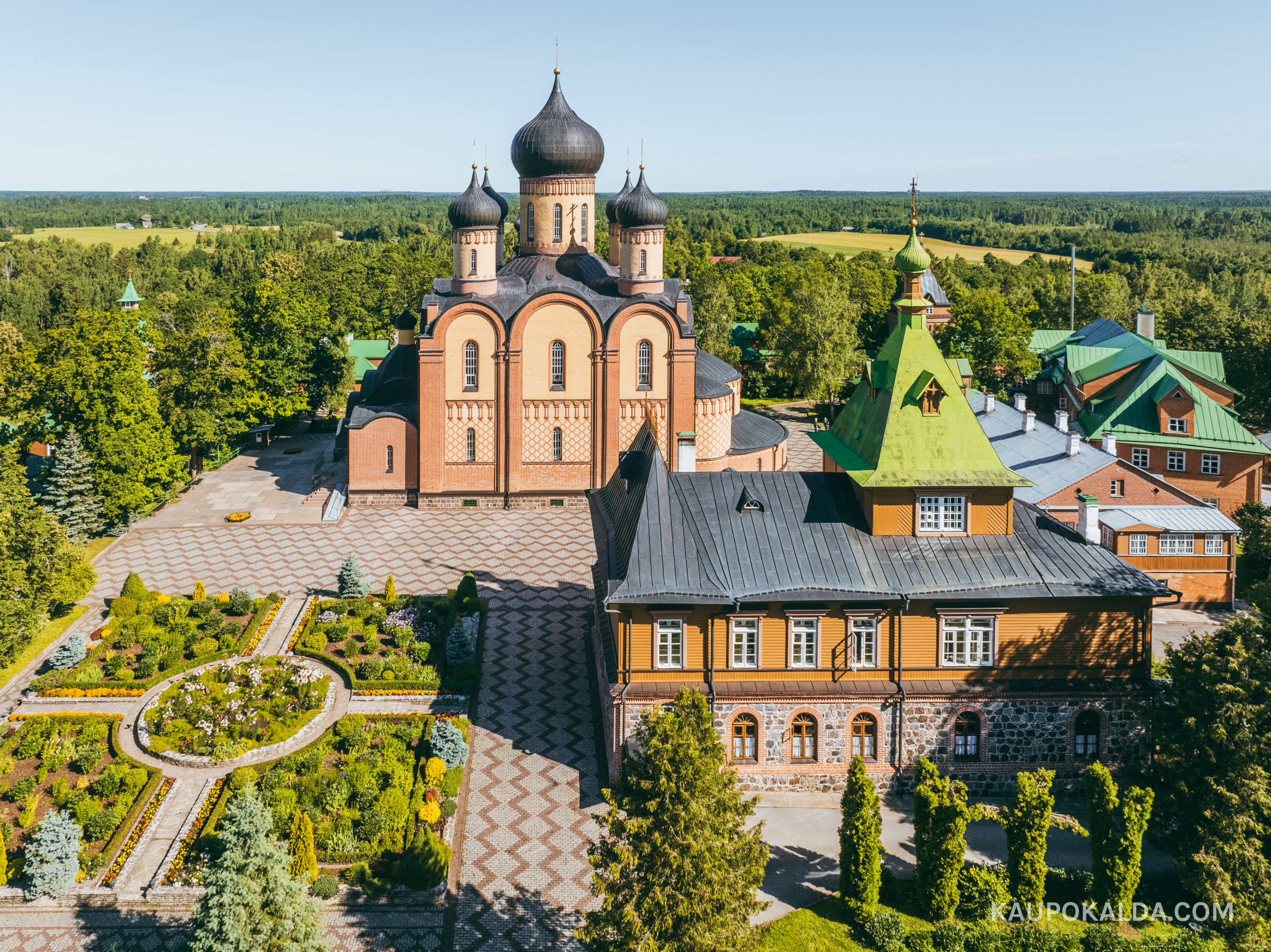
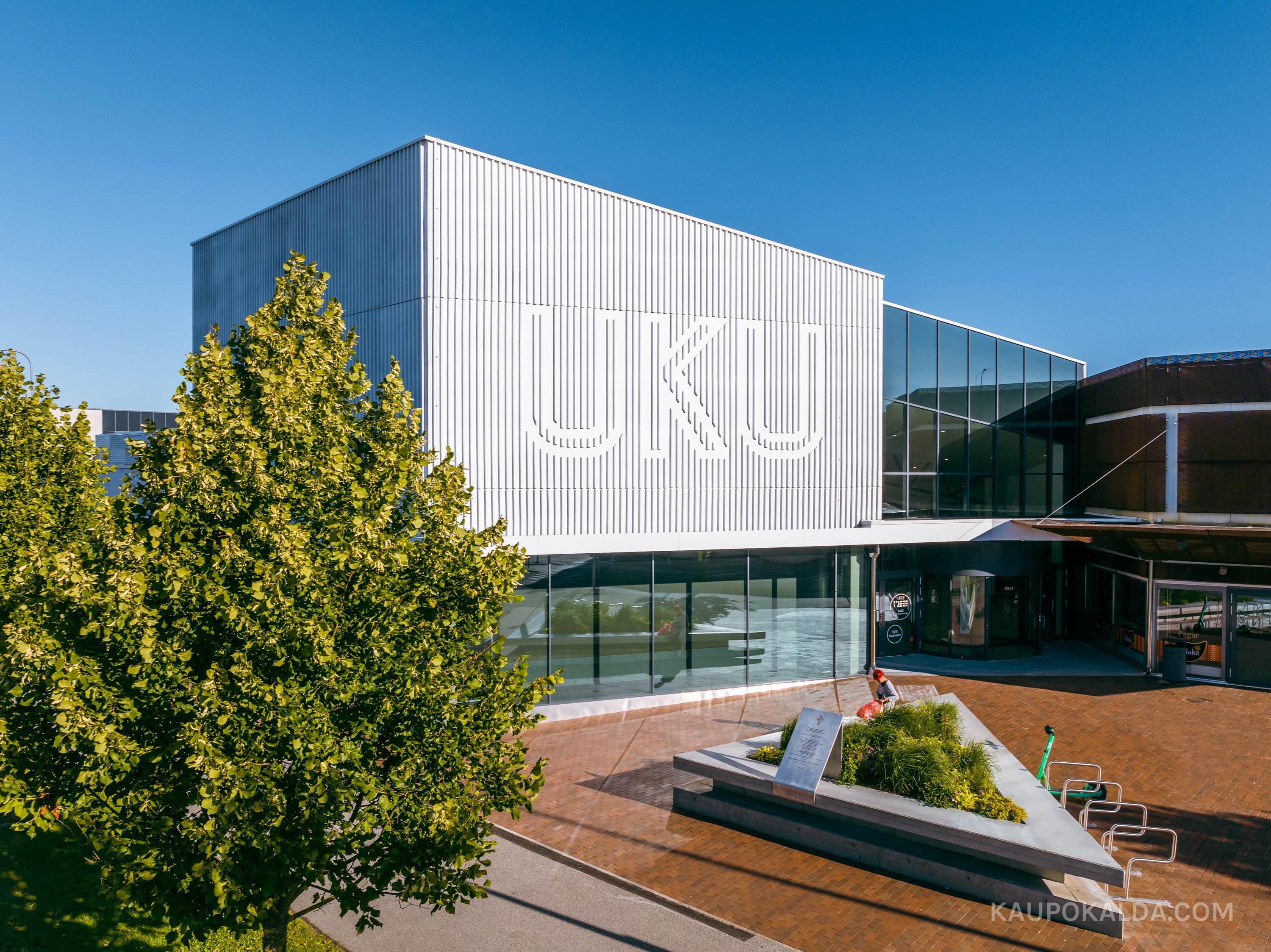
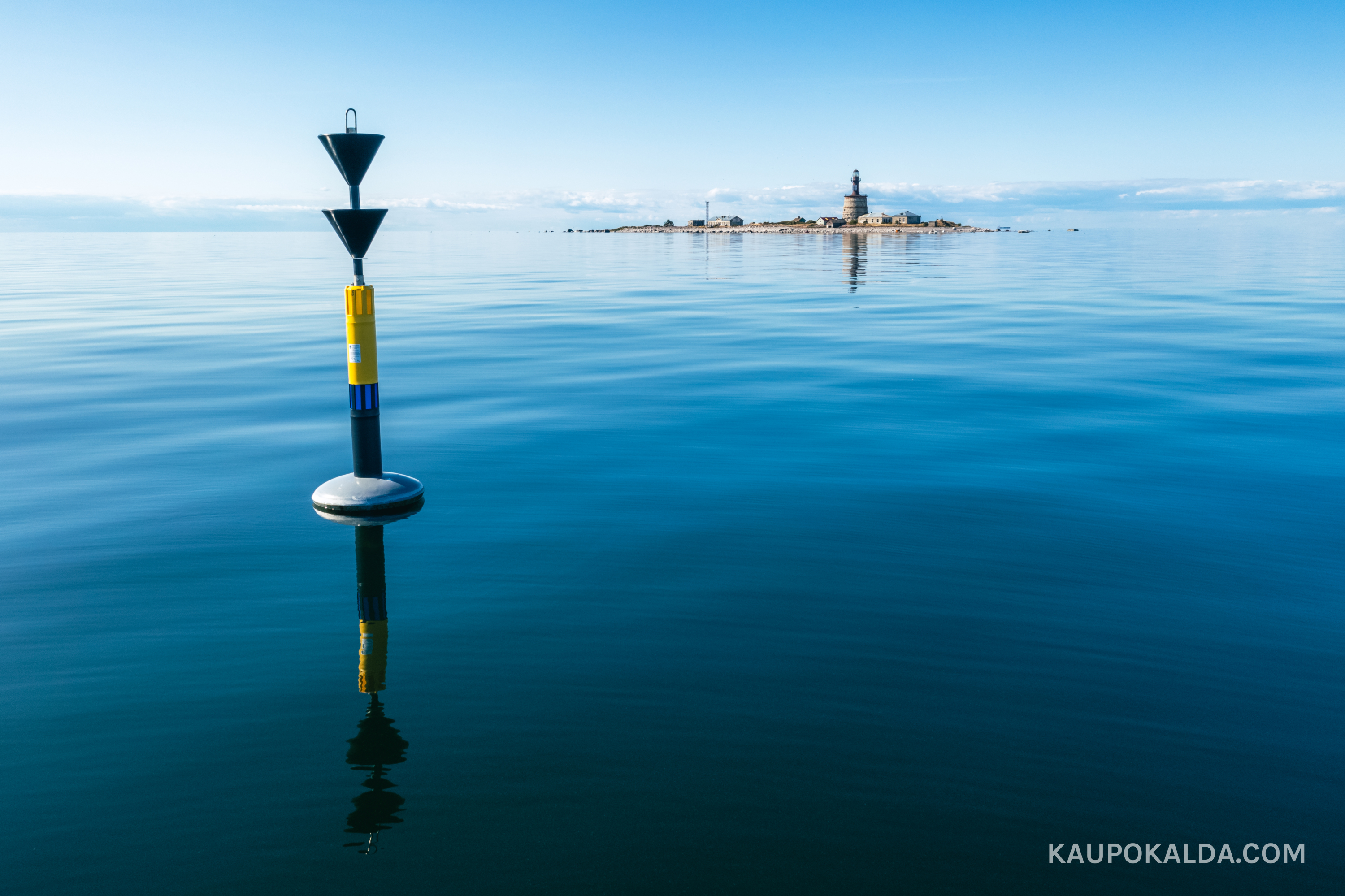
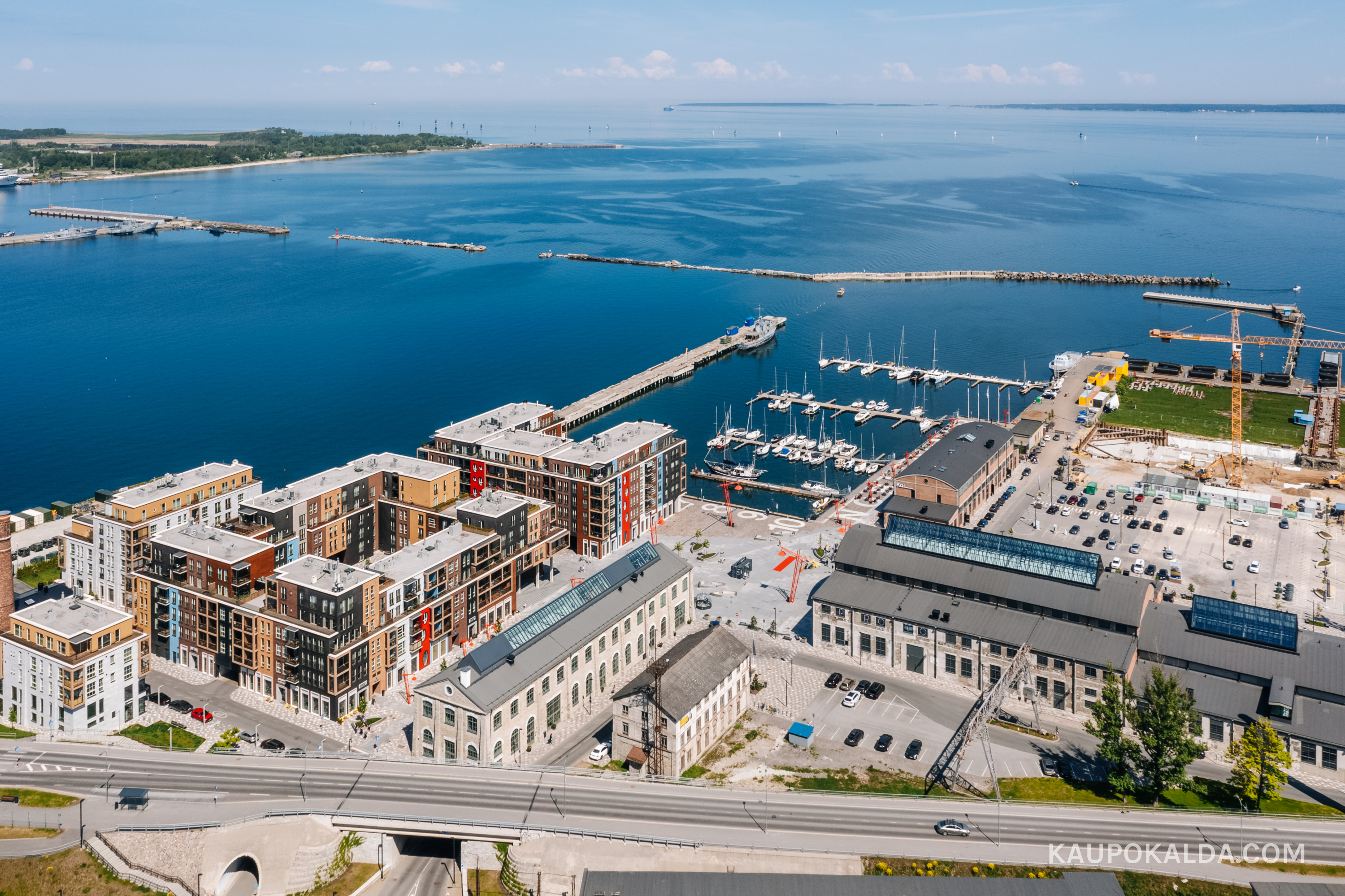
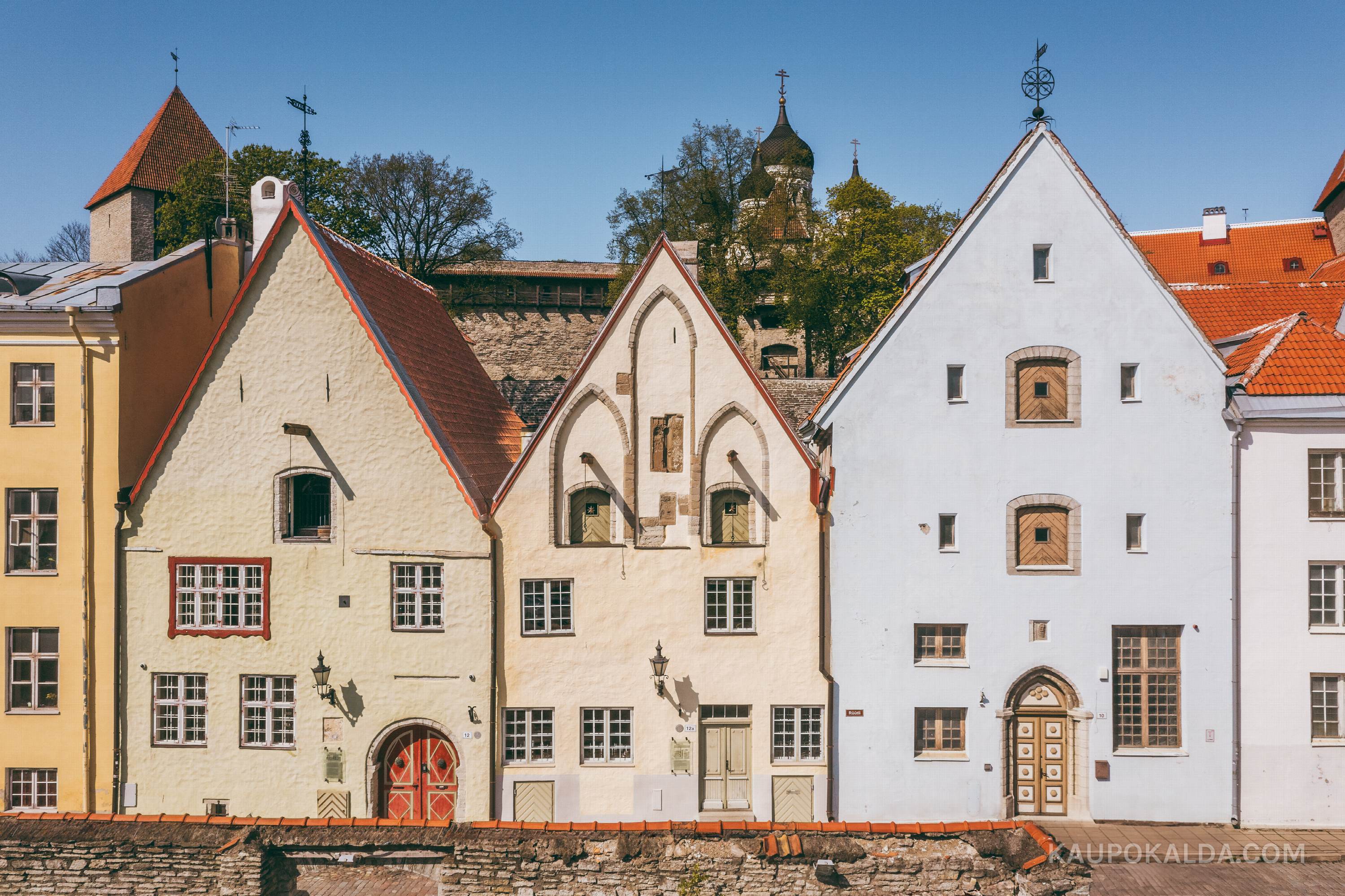
Used rather rarely. At midday in summer the light is generally harsher, as the sun is very high, the shadows are short and the light is sharp. Sometimes, though, this may be just what's needed, for example when shooting 360'. In autumn, winter and early spring, midday is much better for photography because the sun's arc is lower and comparable to late afternoon in summer. I usually make daytime light a little softer and warmer in post-processing.
- The sprat-tin silhouette and others
- Summer in Maakri
- Kuremäe Monastery (series)
- Uku Centre
- Keri buoy
- The developing Noblessner
- The three of us are
- Tammsaare Museum at Vargamäe
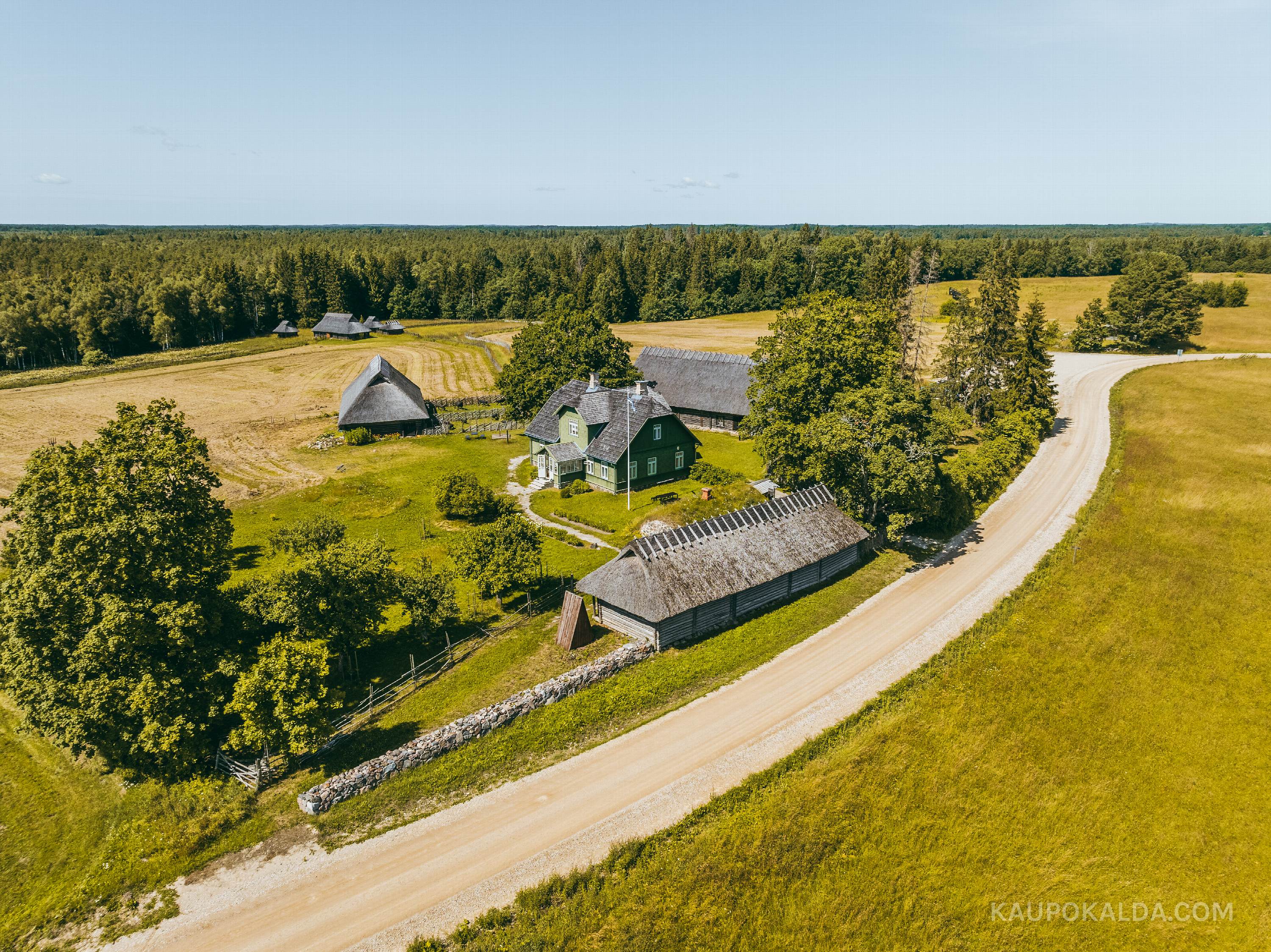
3. Vines daytime
Mood: soft, gentle, colourful, sufficiently vivid, easy to process.
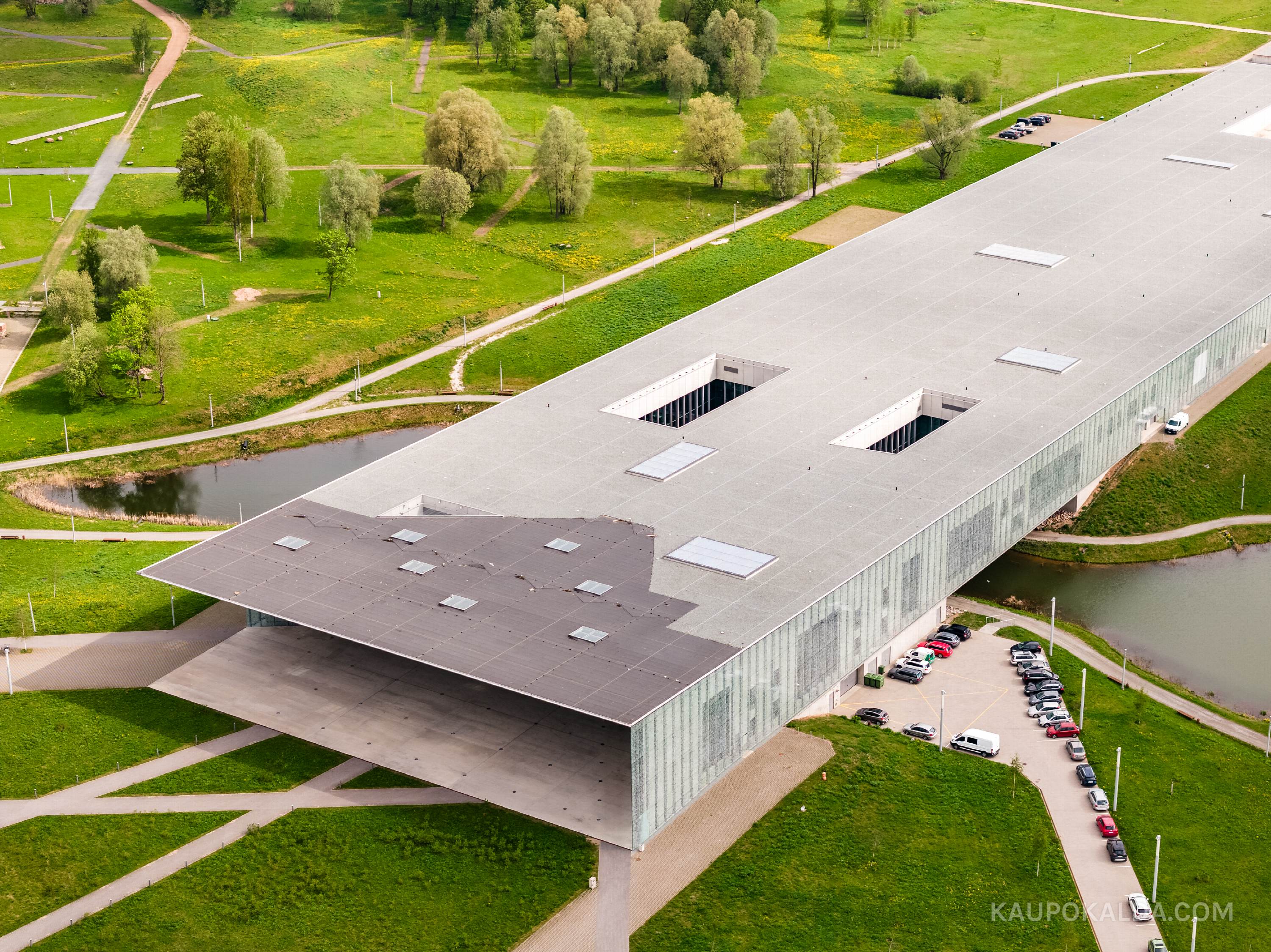
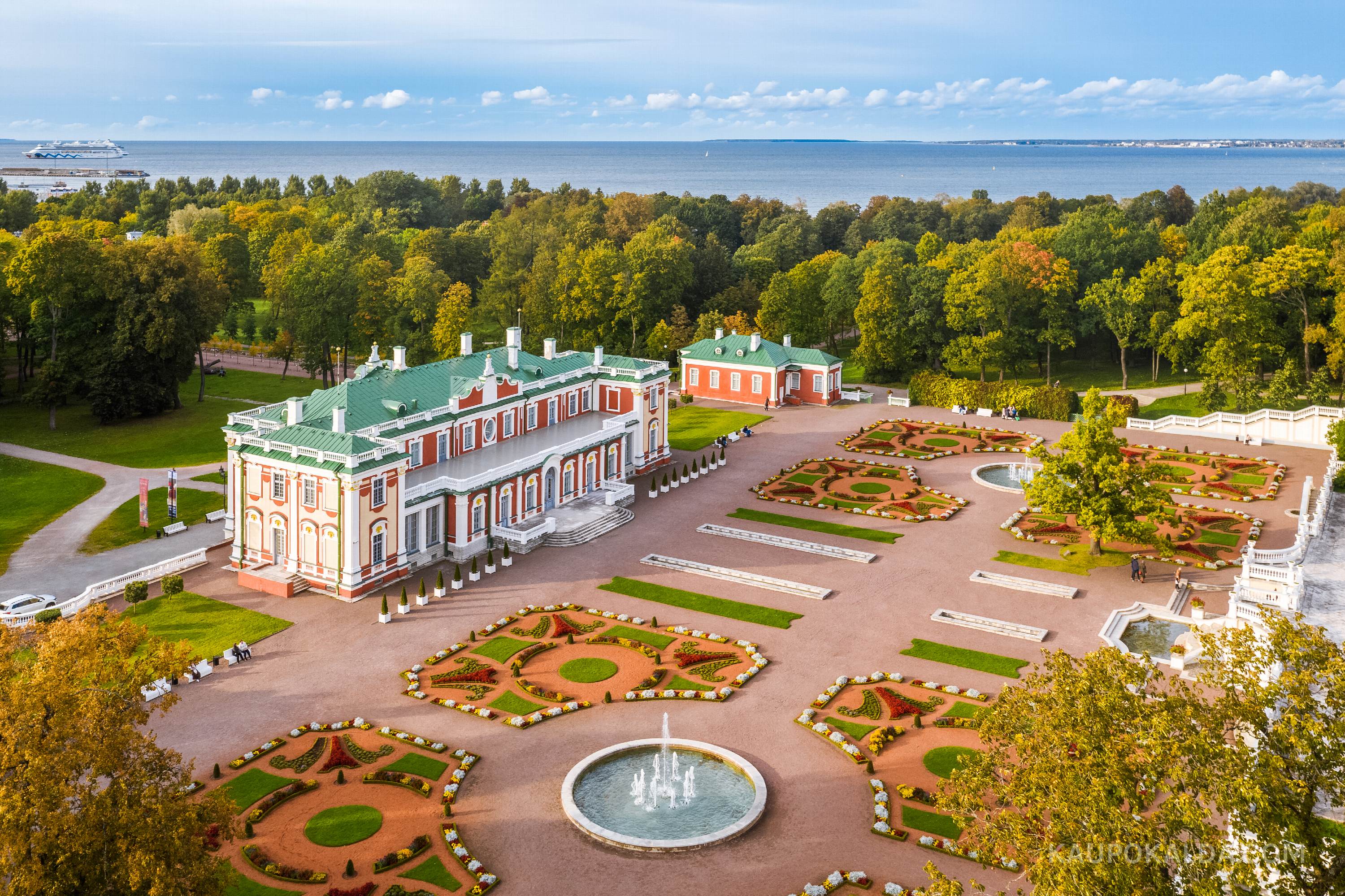
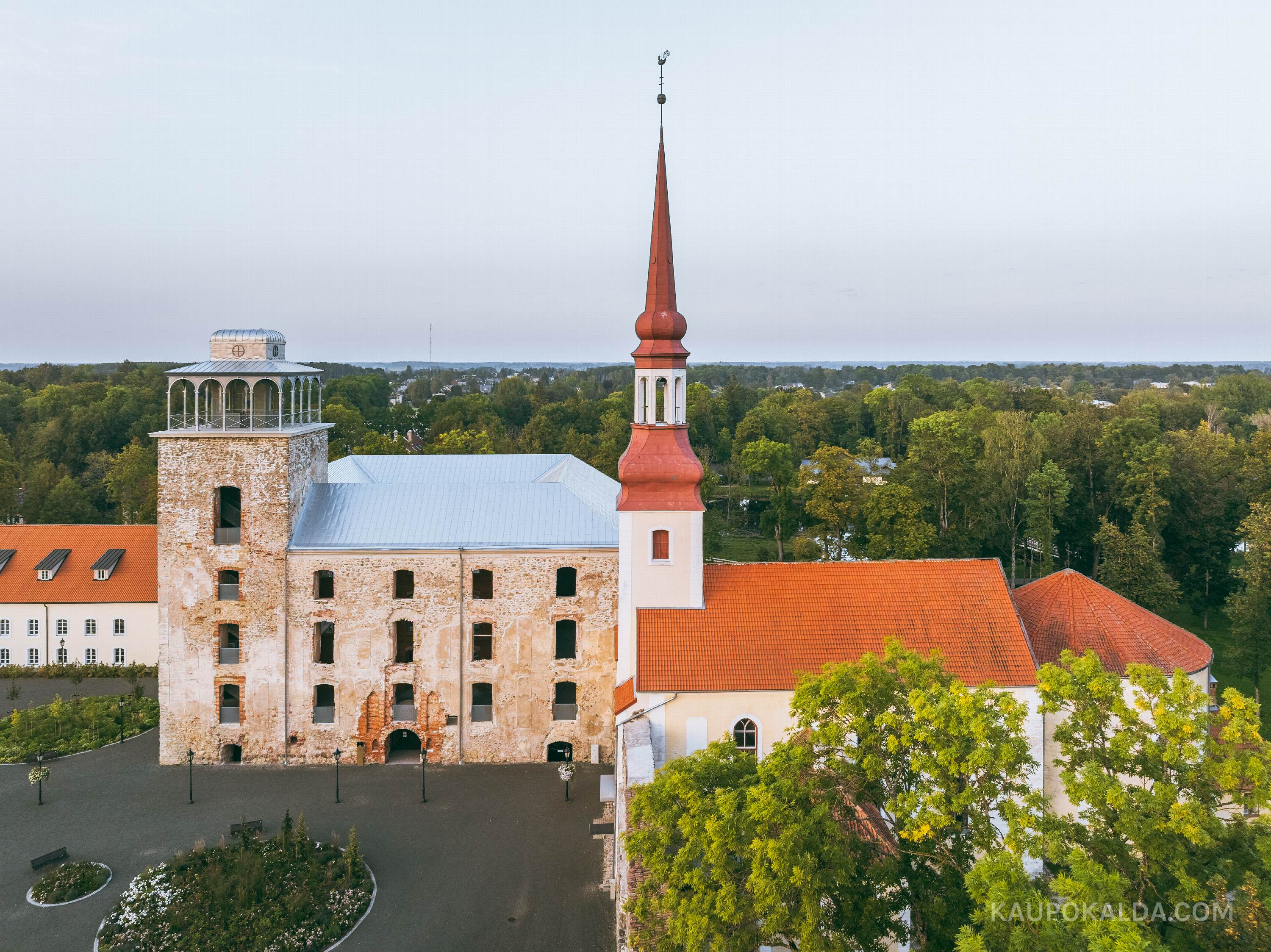
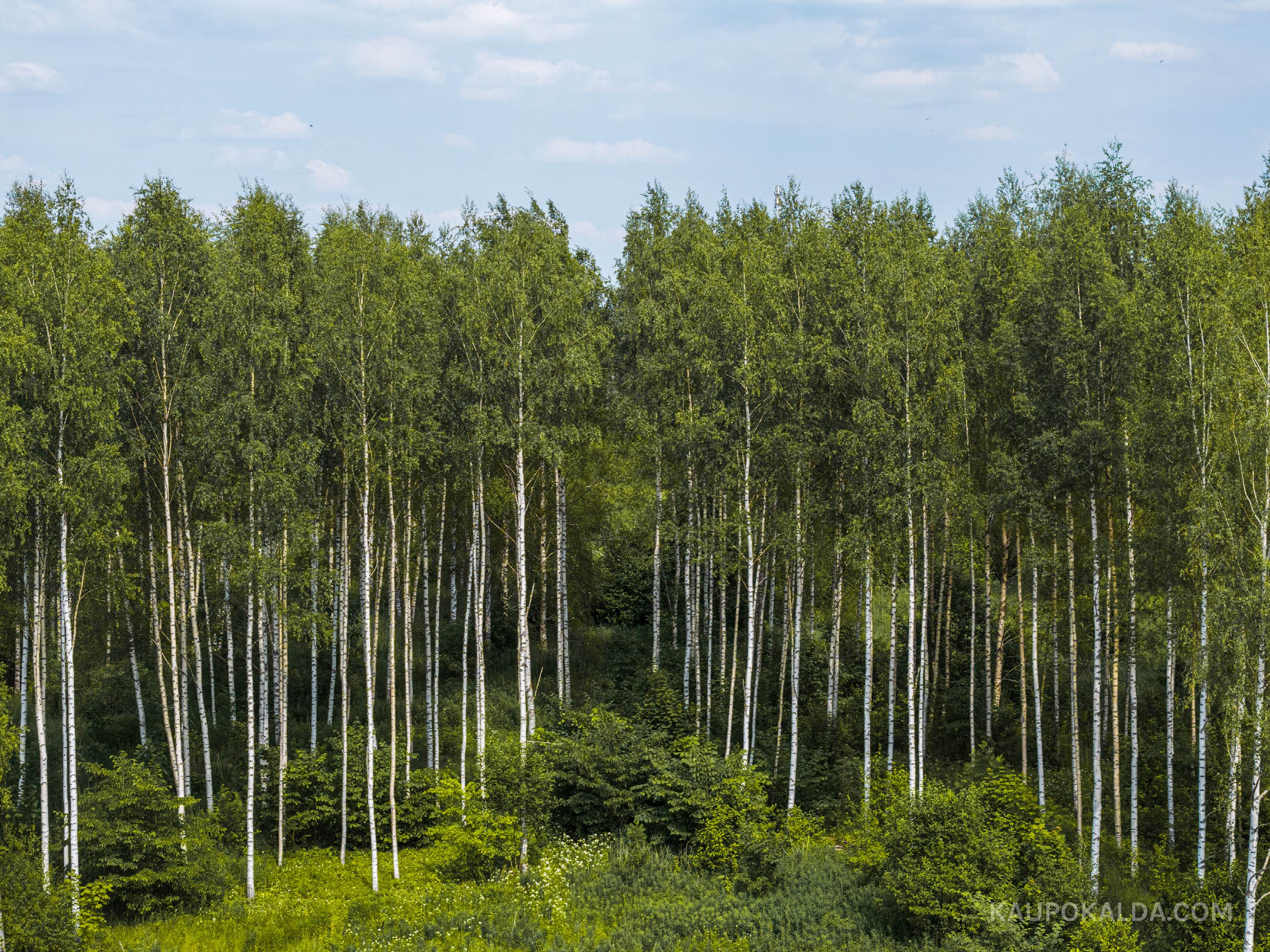
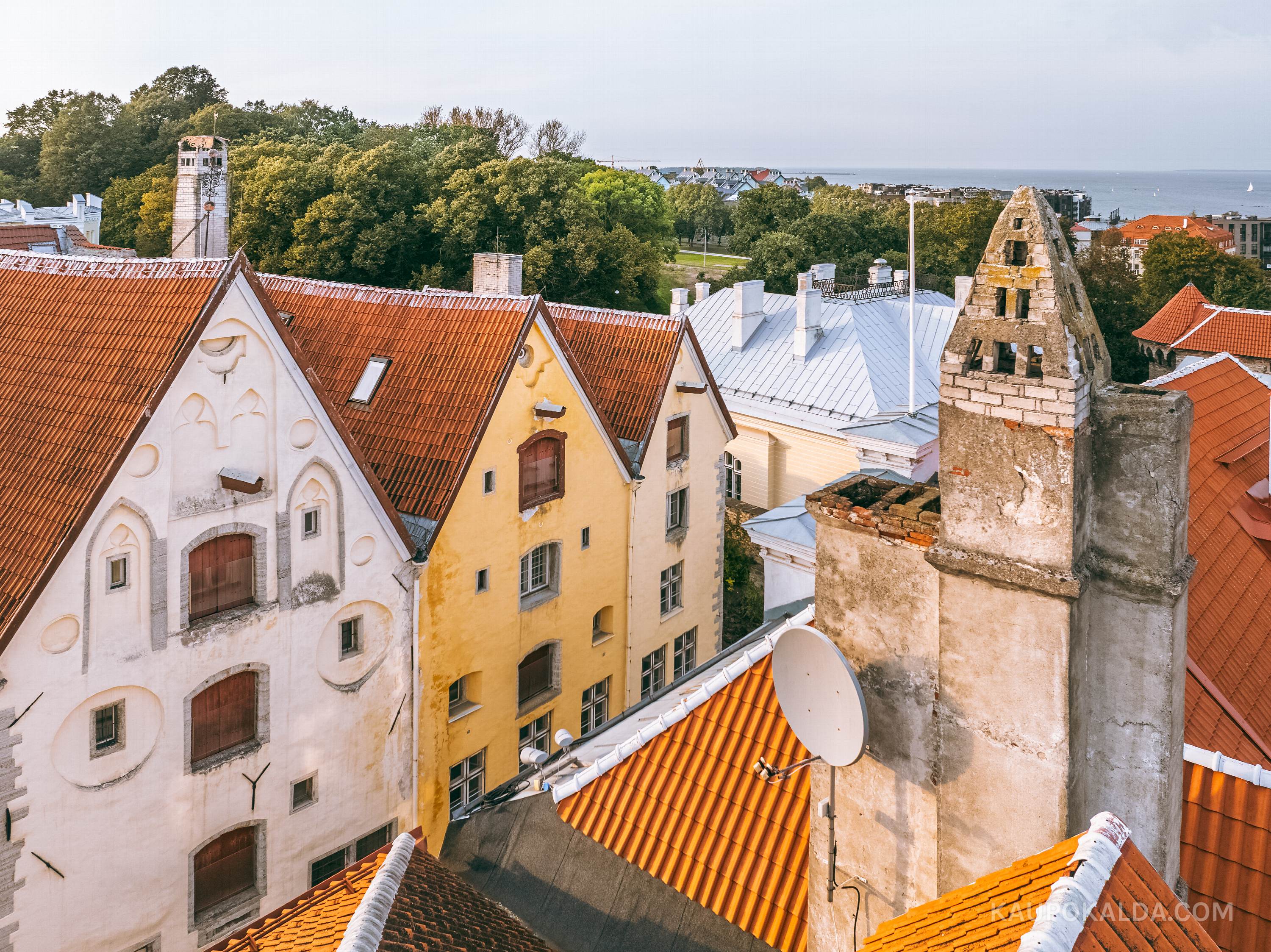
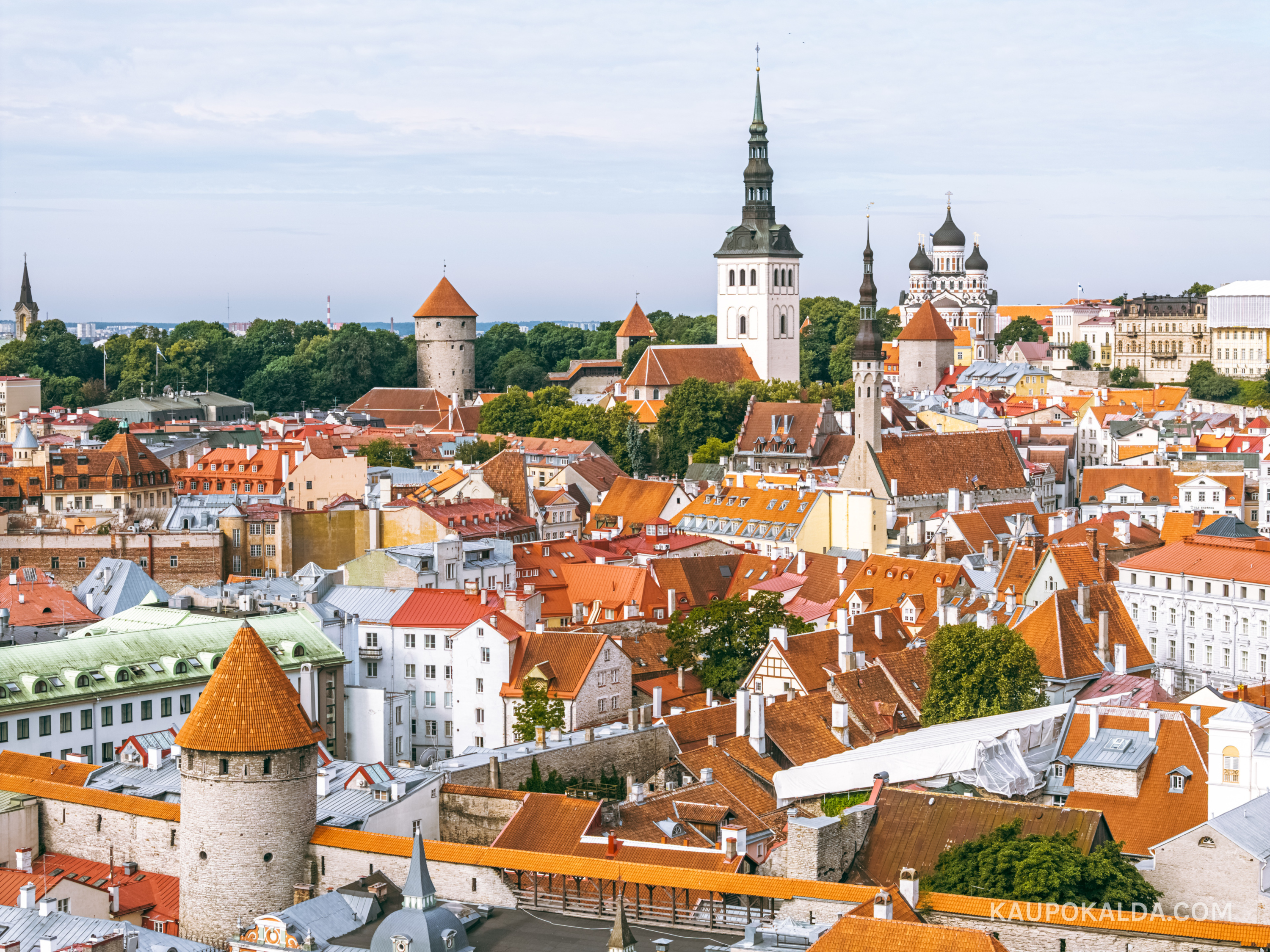
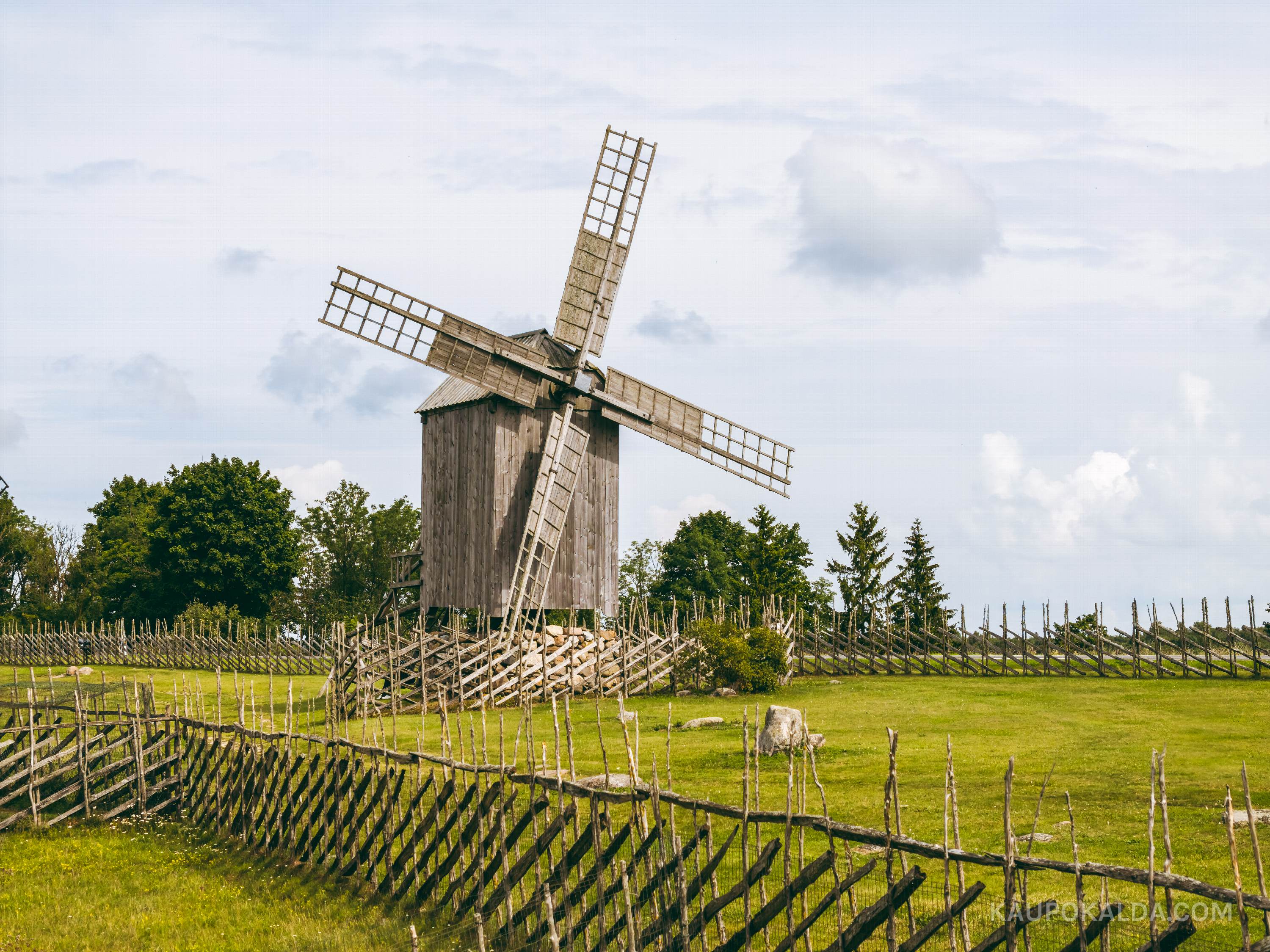
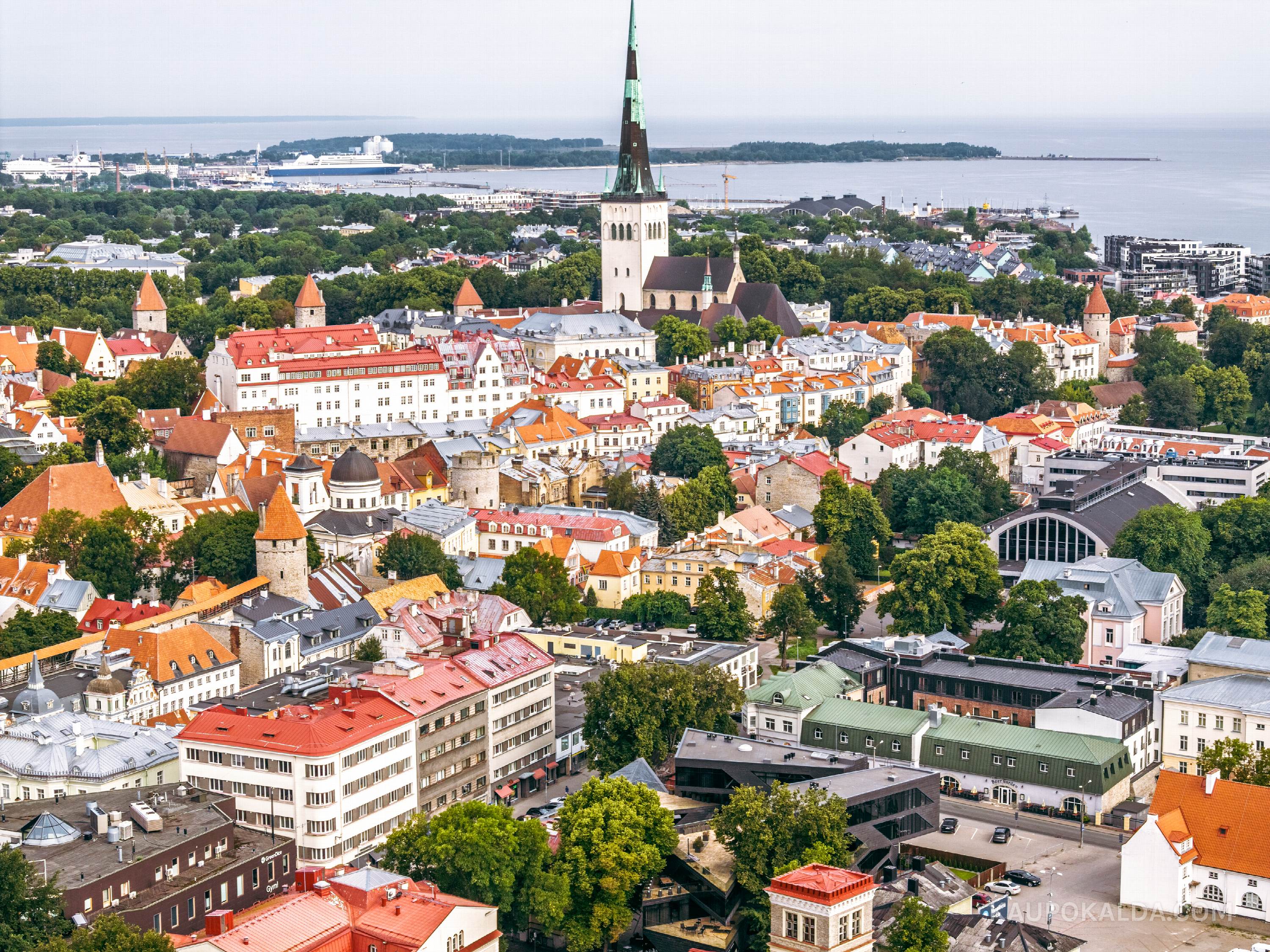
Popular. Partly similar to golden-hour light, but not as sleepy. In a light cloud haze, the light is generally very good throughout the day, because it is gentle, the haze makes it silky and removes the strongest contrasts, while still creating softer shadows and allowing quite pleasant results even in the middle of the day. On hazy days there are often beautiful cirrus clouds, which I call angel clouds. This is some of the best and most workable light you could wish for, but as always, you can't order it.
- Estonian National Museum
- Kadriorg Palace (series)
- Põltsamaa Castle
- Birch grove
- Three Sisters and a chimney
- Tallinn Old Town - UNESCO World Heritage
- Saaremaa windmill
- Overview
4. Cloudy daytime
Mood: calm, static, clean, still life.
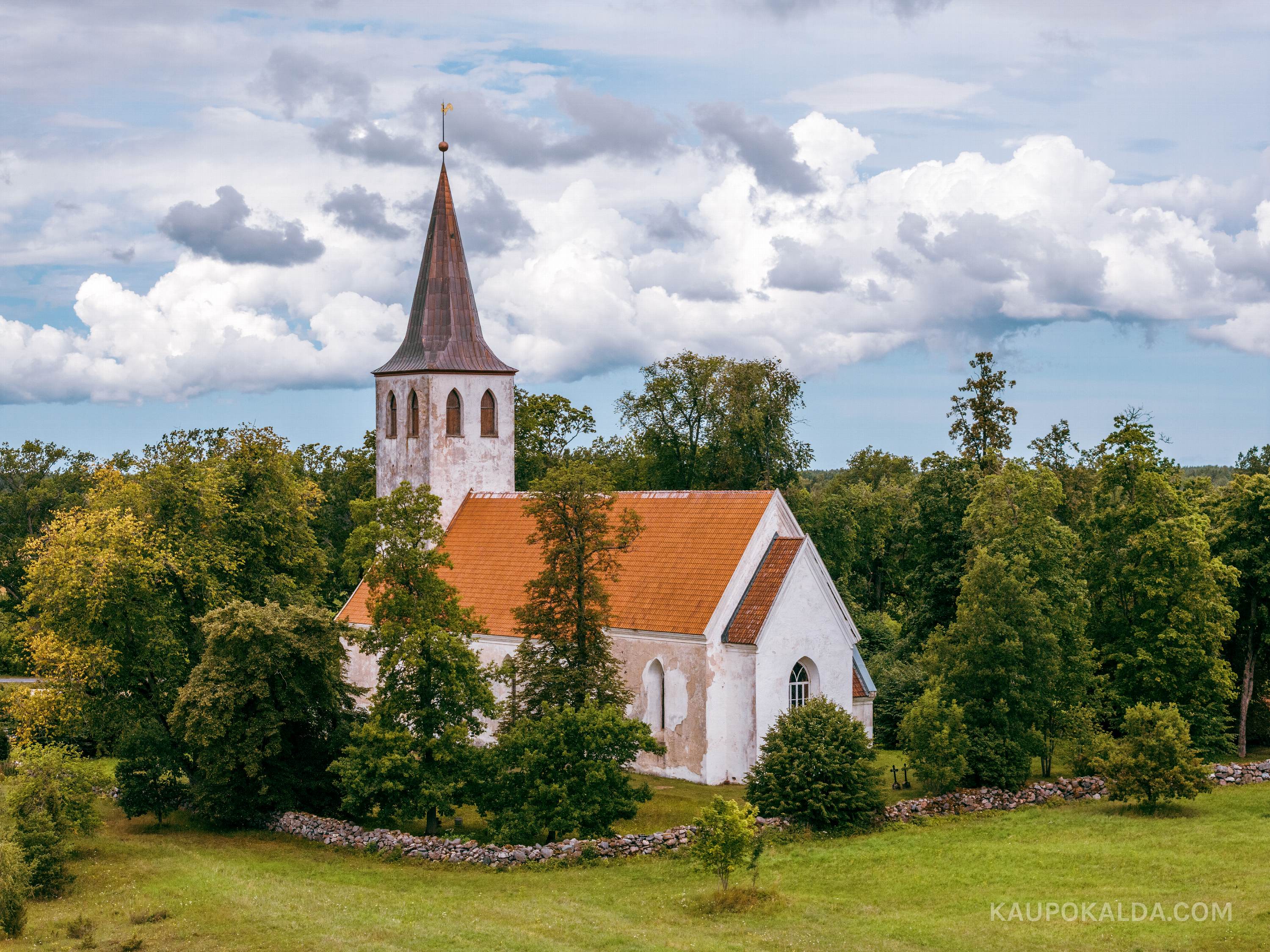
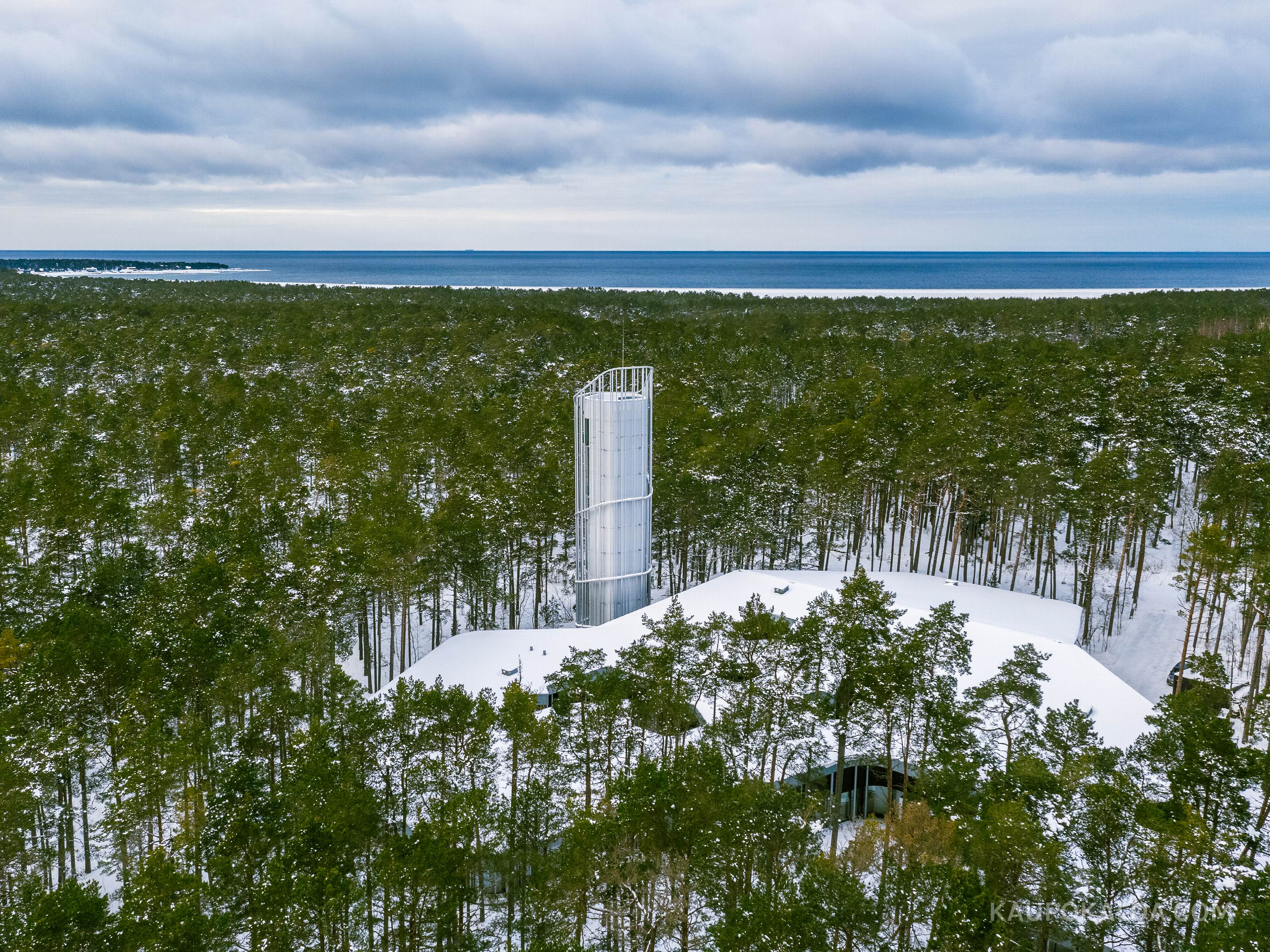
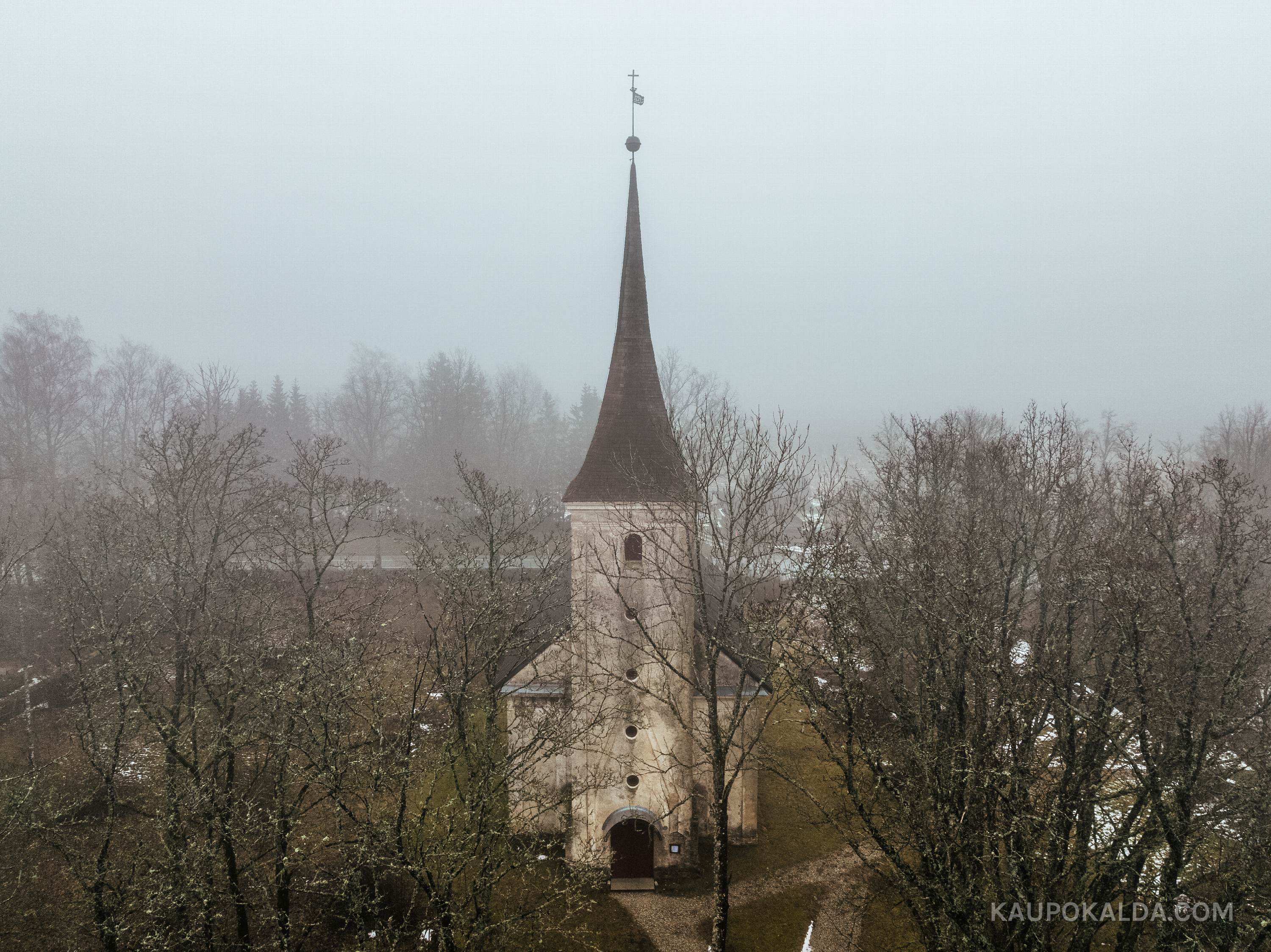
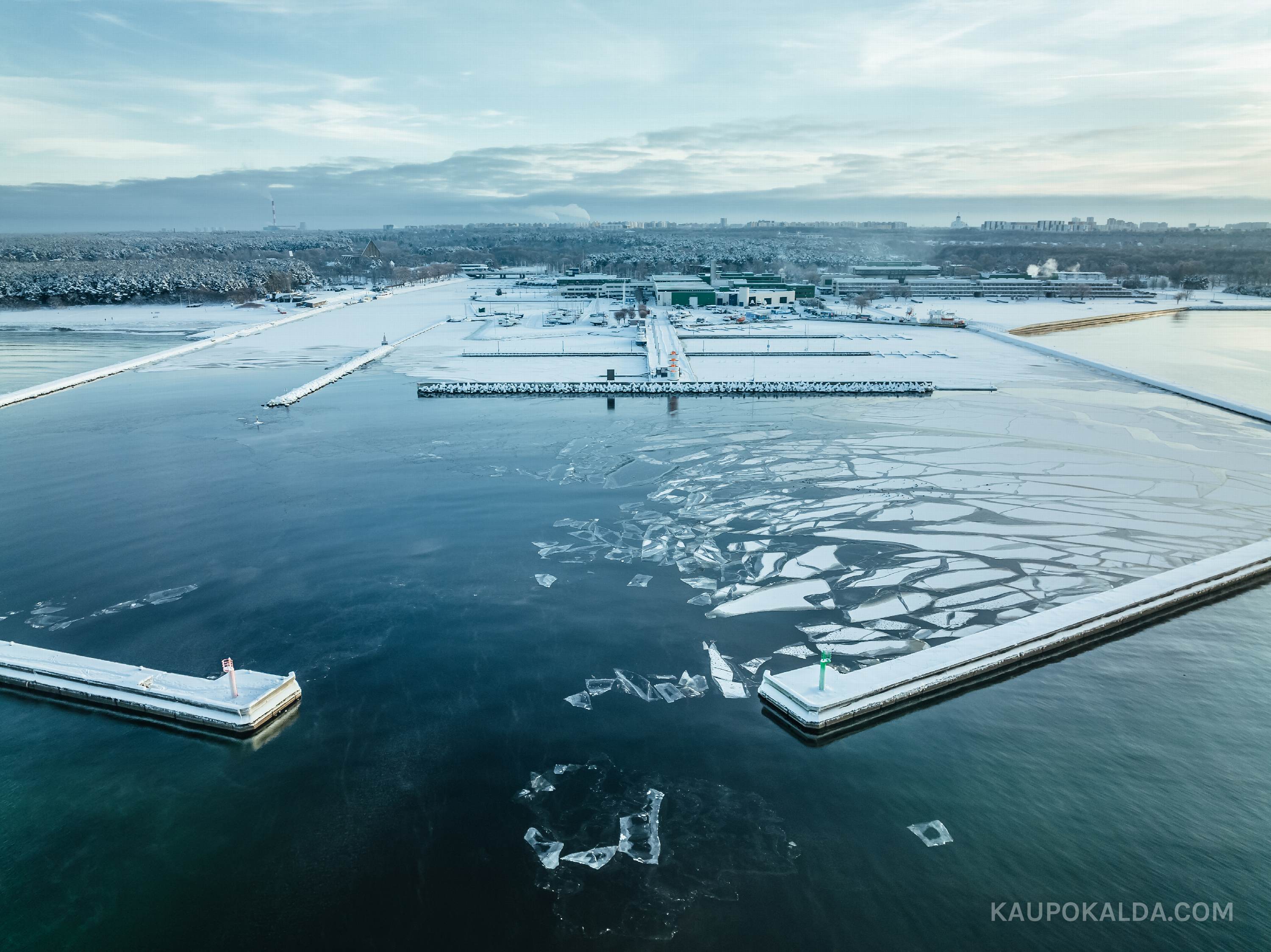
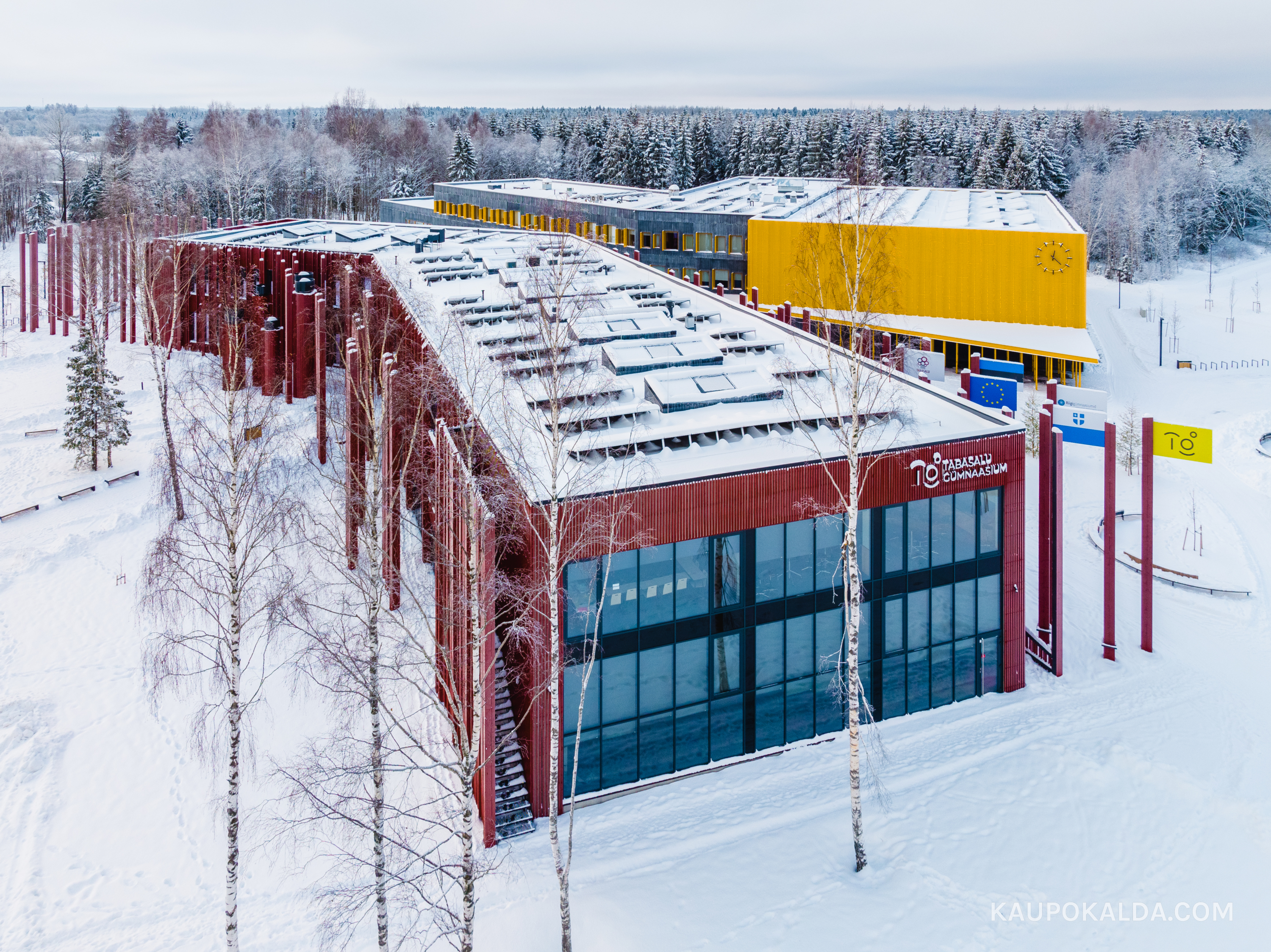
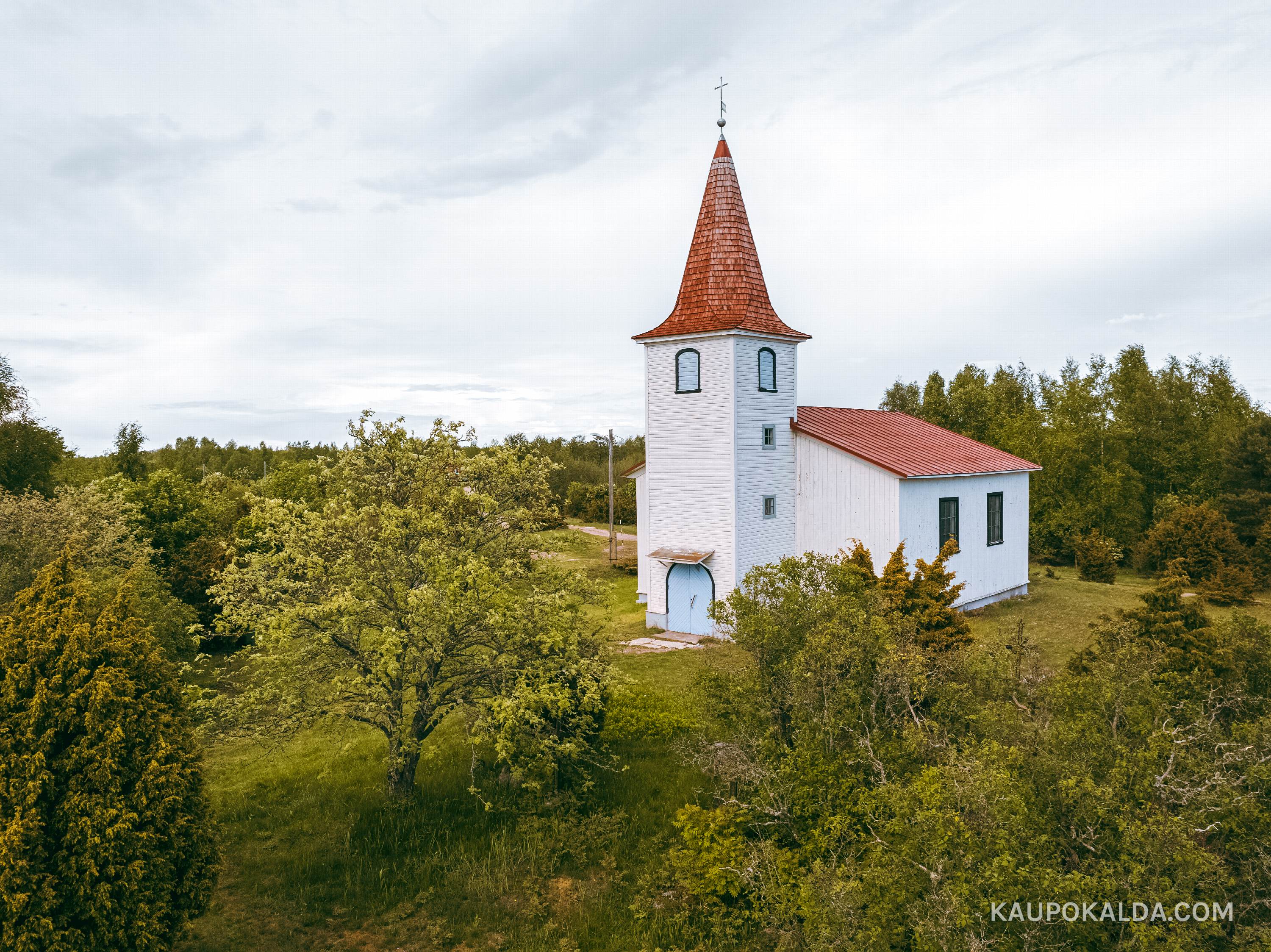
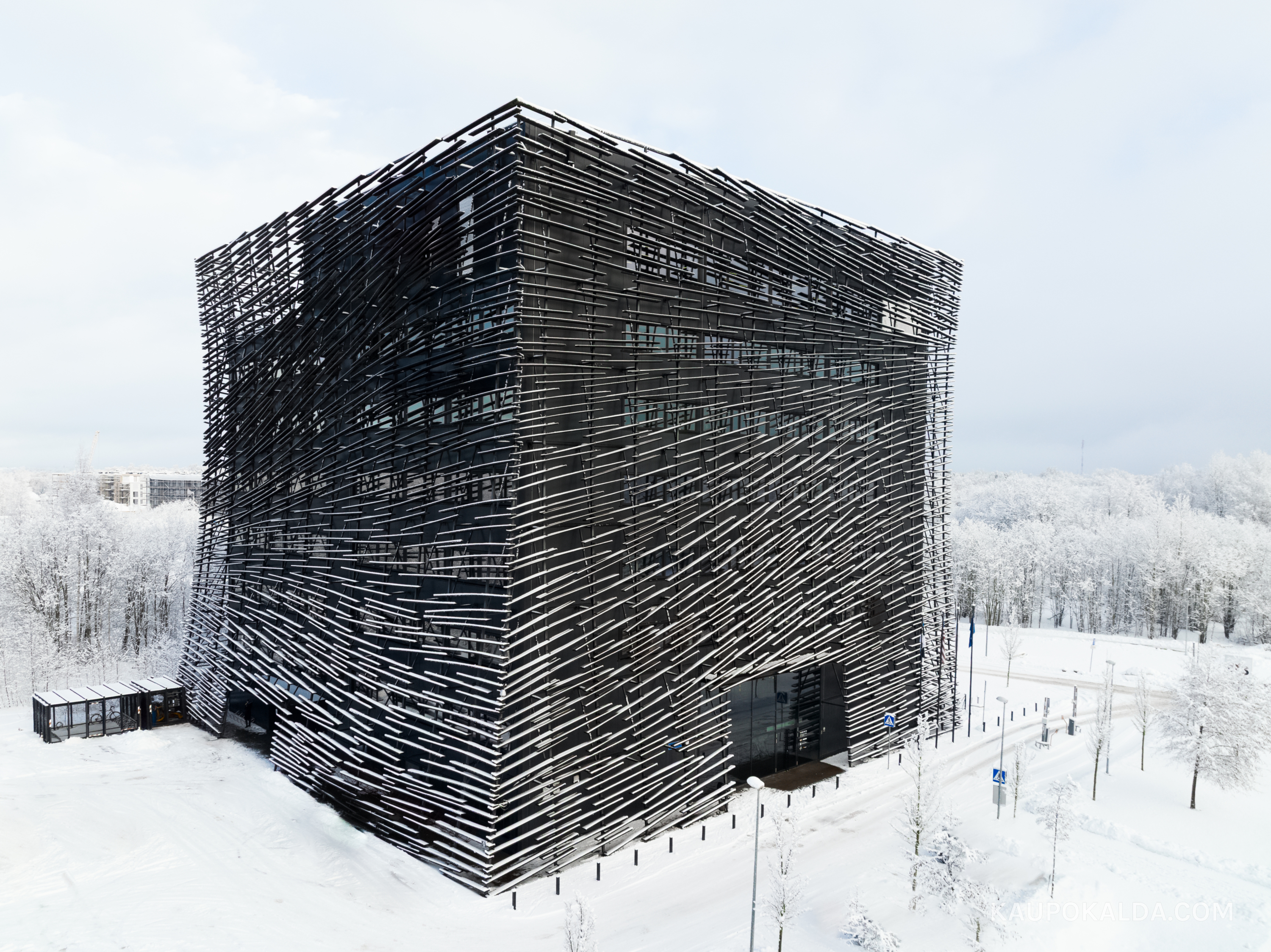
Rarely used. Overcast weather can also be very pleasant, especially if you don’t need to "sell the warmth of a home" but want to capture stylish architecture, for example. It also works well when photographing shadier places without the sky in the frame, for example; the image is then softer and not overly contrasty. It’s the weather I personally shoot in least often, but it’s quite popular in architectural photography.
- Pühalepa Church, Hiiumaa
- Arvo Pärdi keskus
- Anna Church in the fog
- Frosty Pirita
- Tabasalu Gümnaasium in winter
- Prangli church
- Paldiski mnt 80 office building
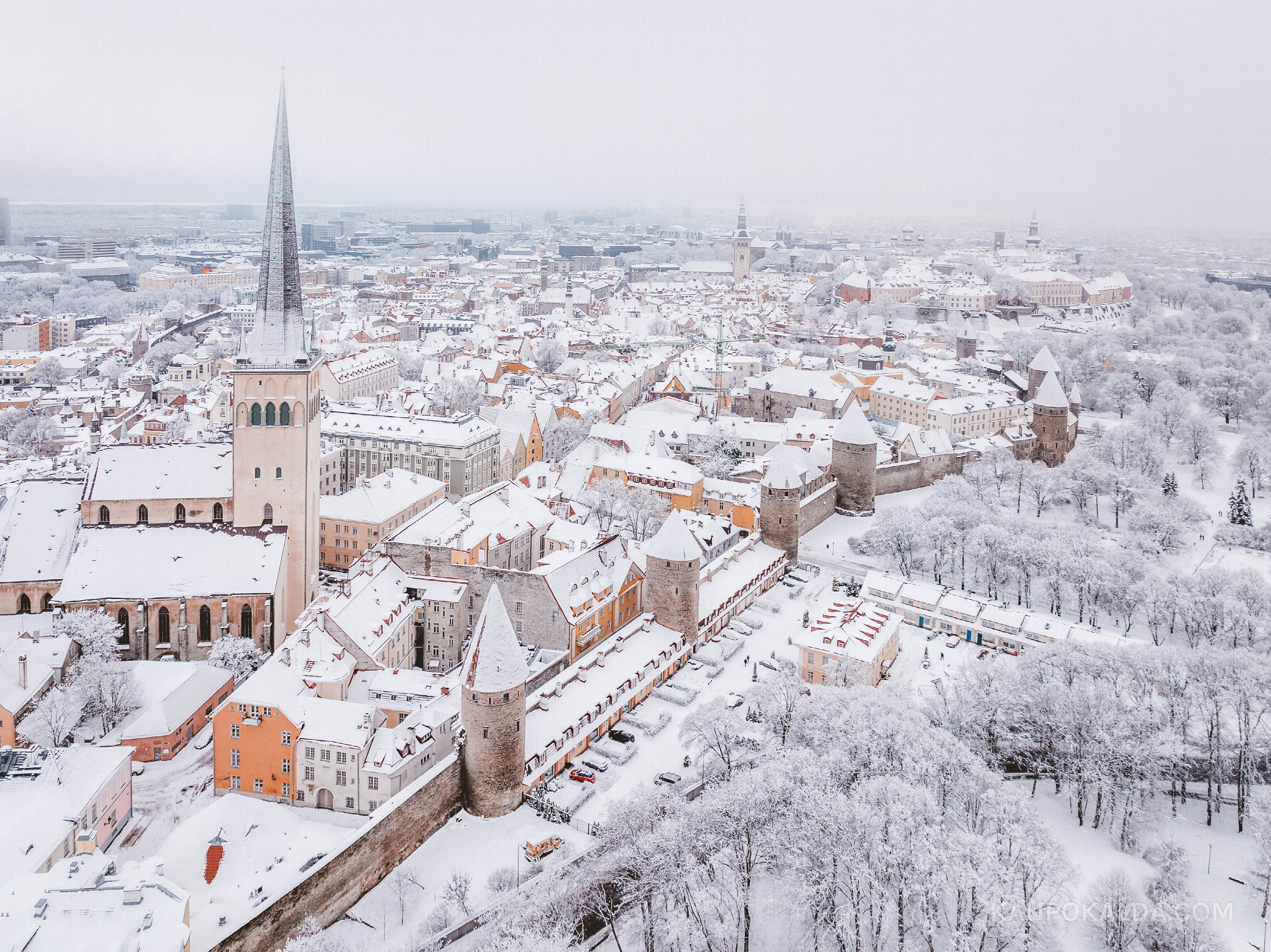
- Winter in the Old Town
5. Blue hour
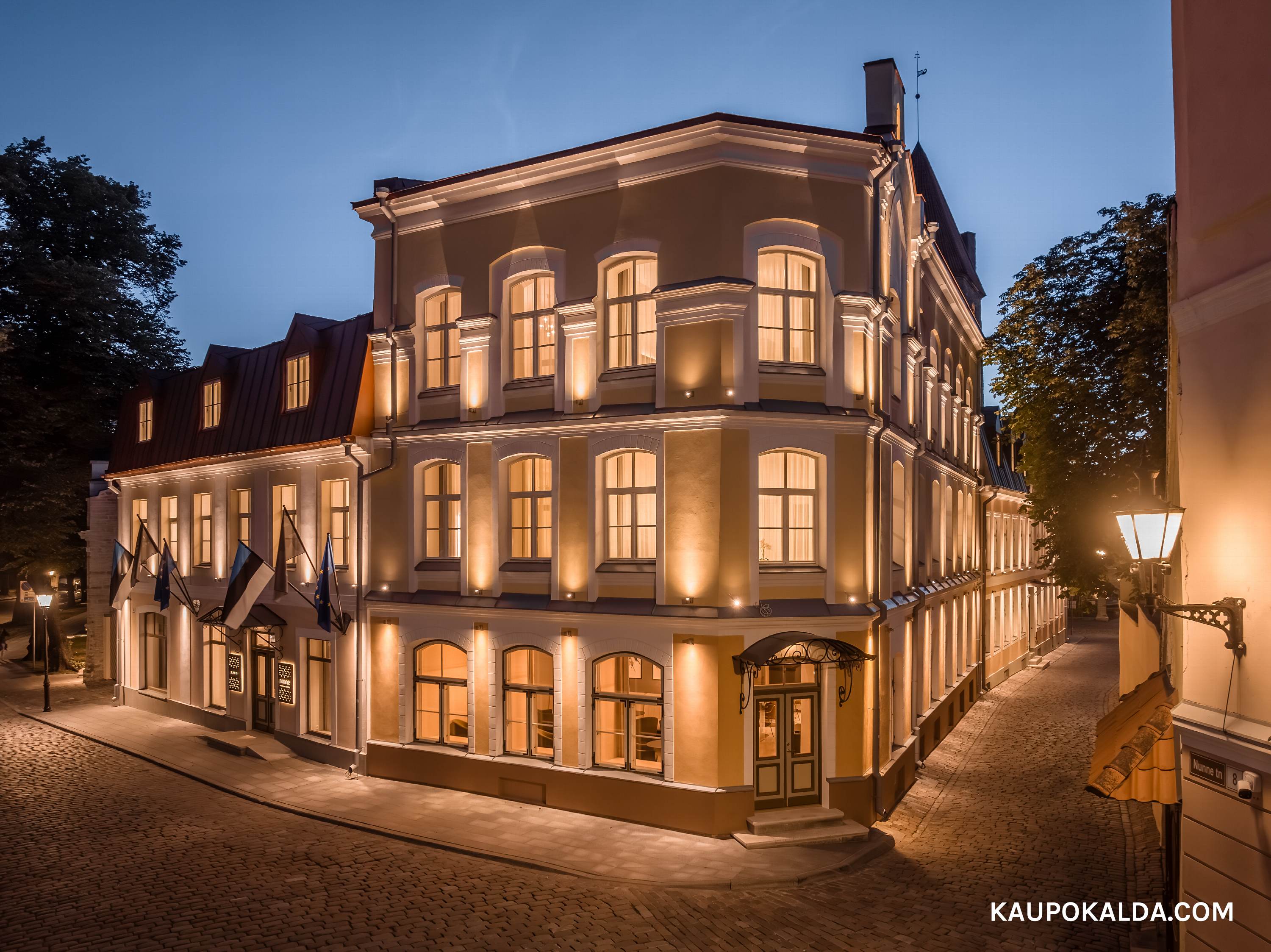
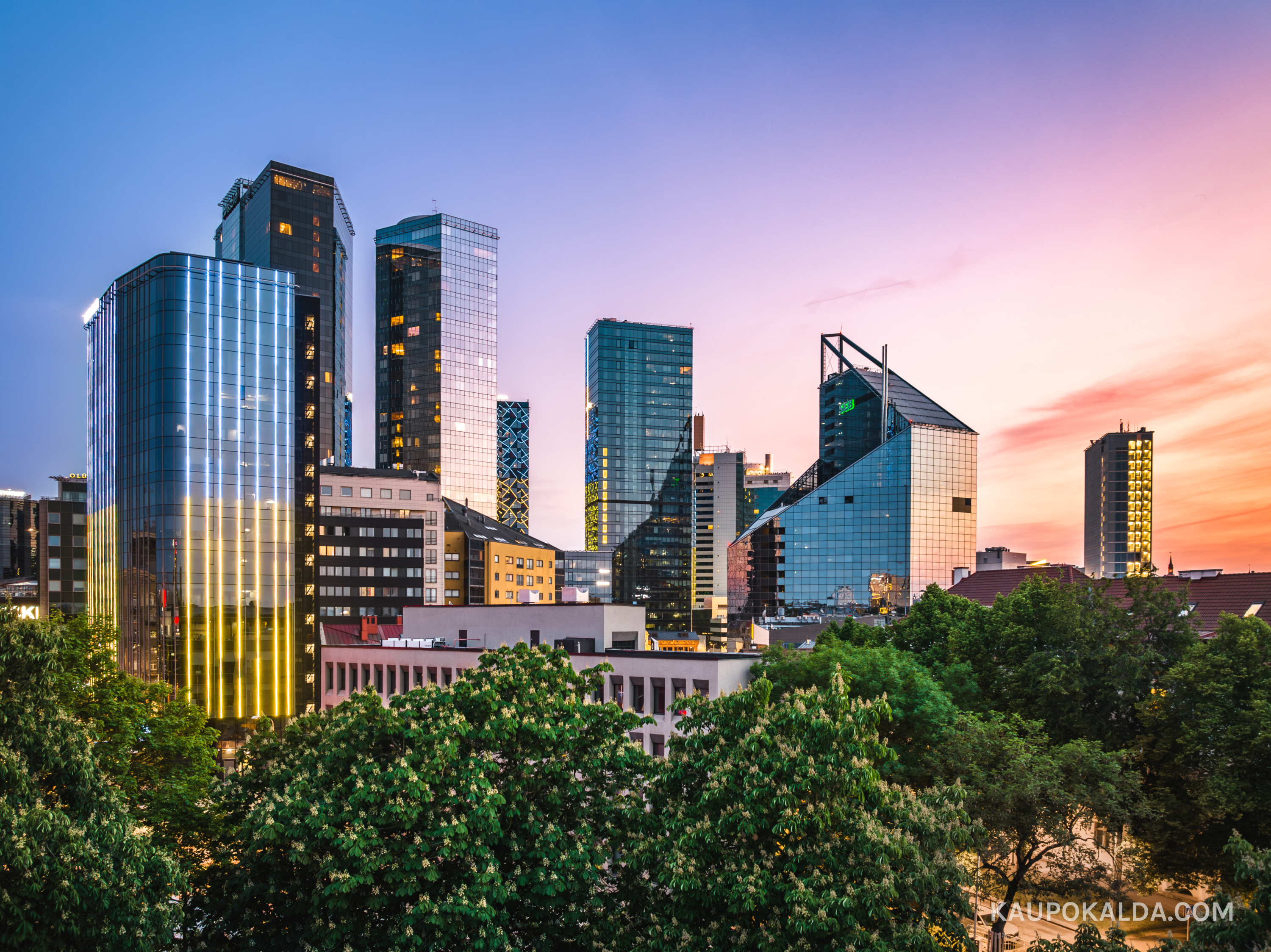
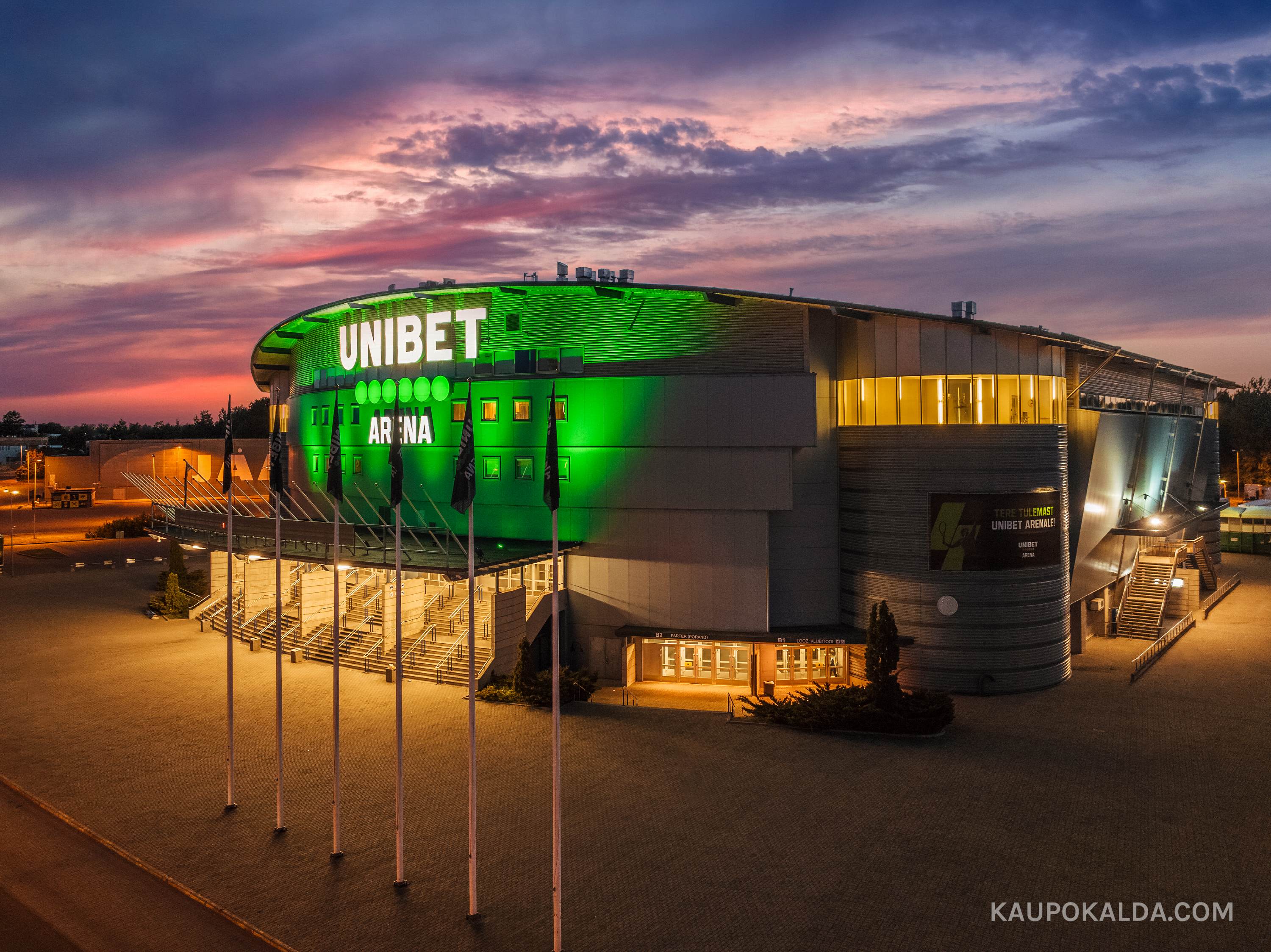
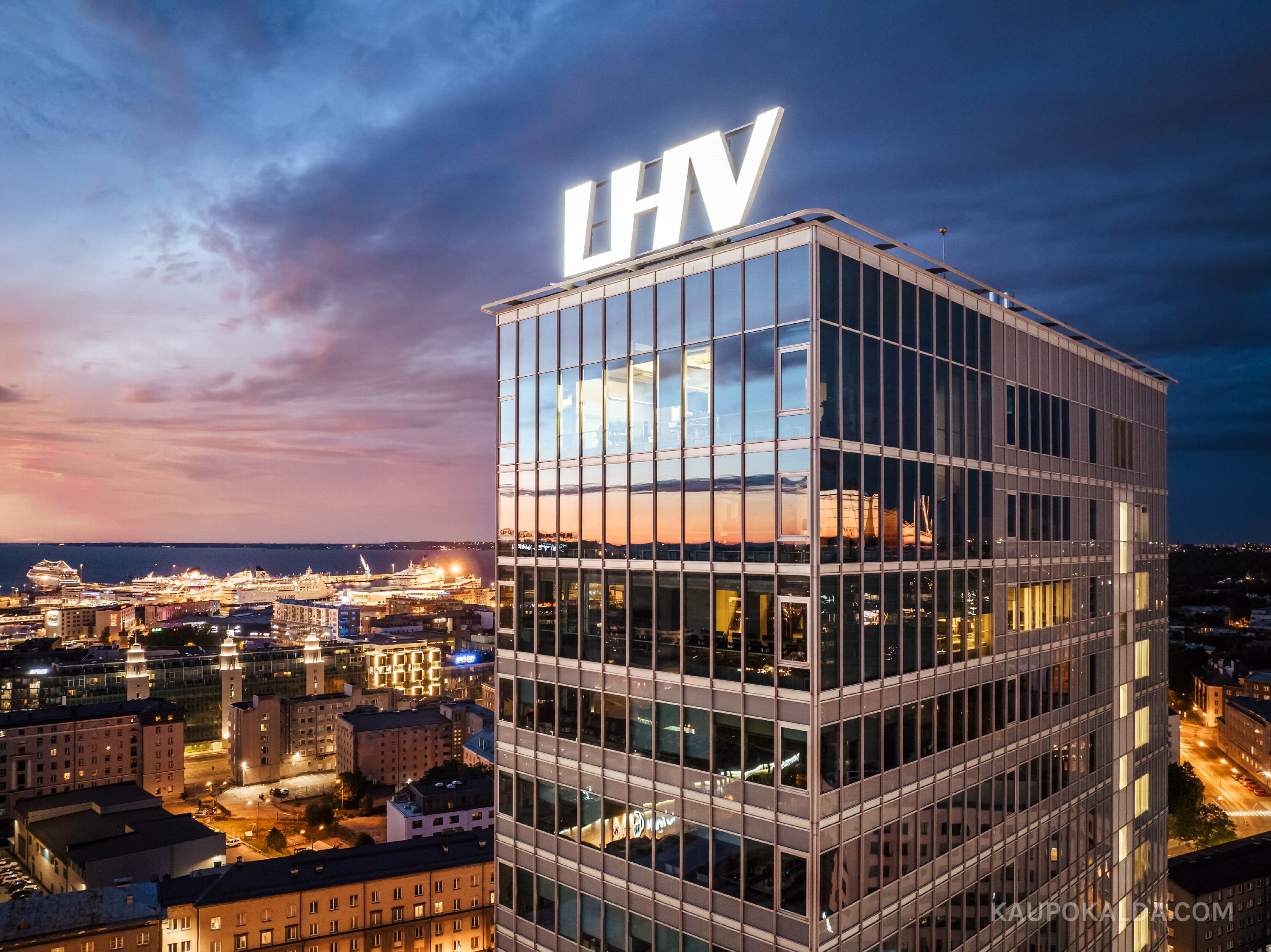
Mood: glamorous, colourful, bling, very dynamic.
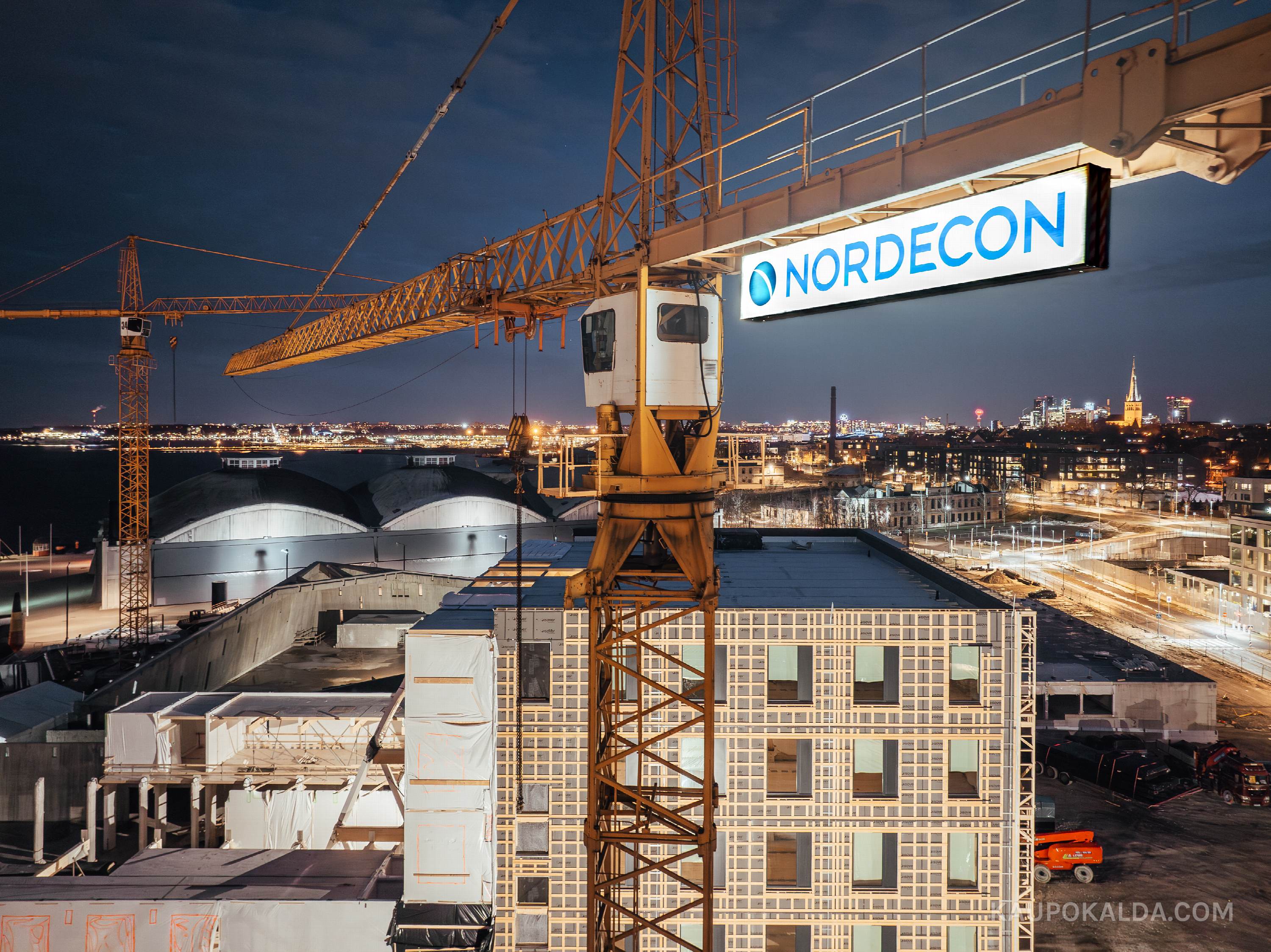
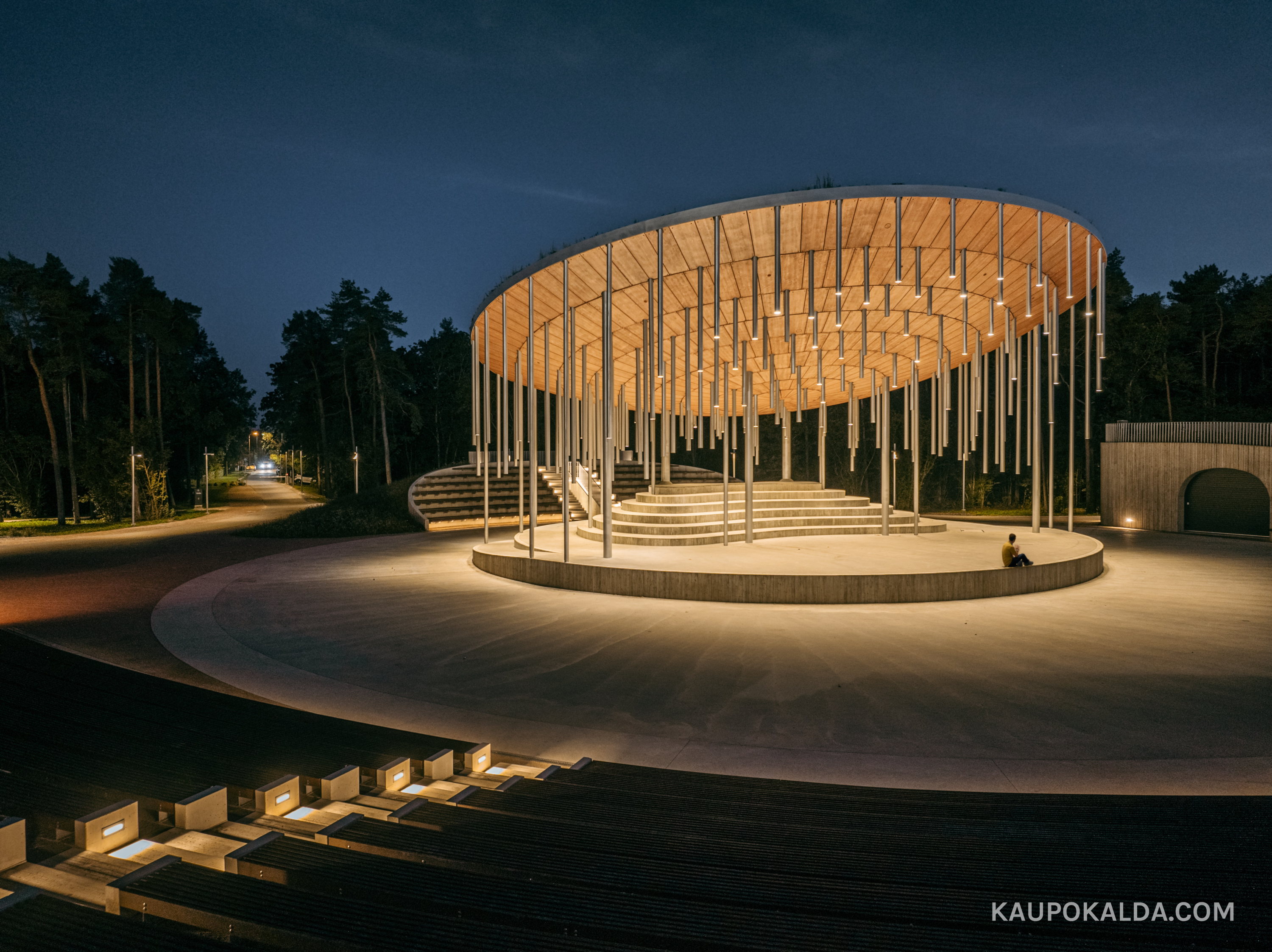
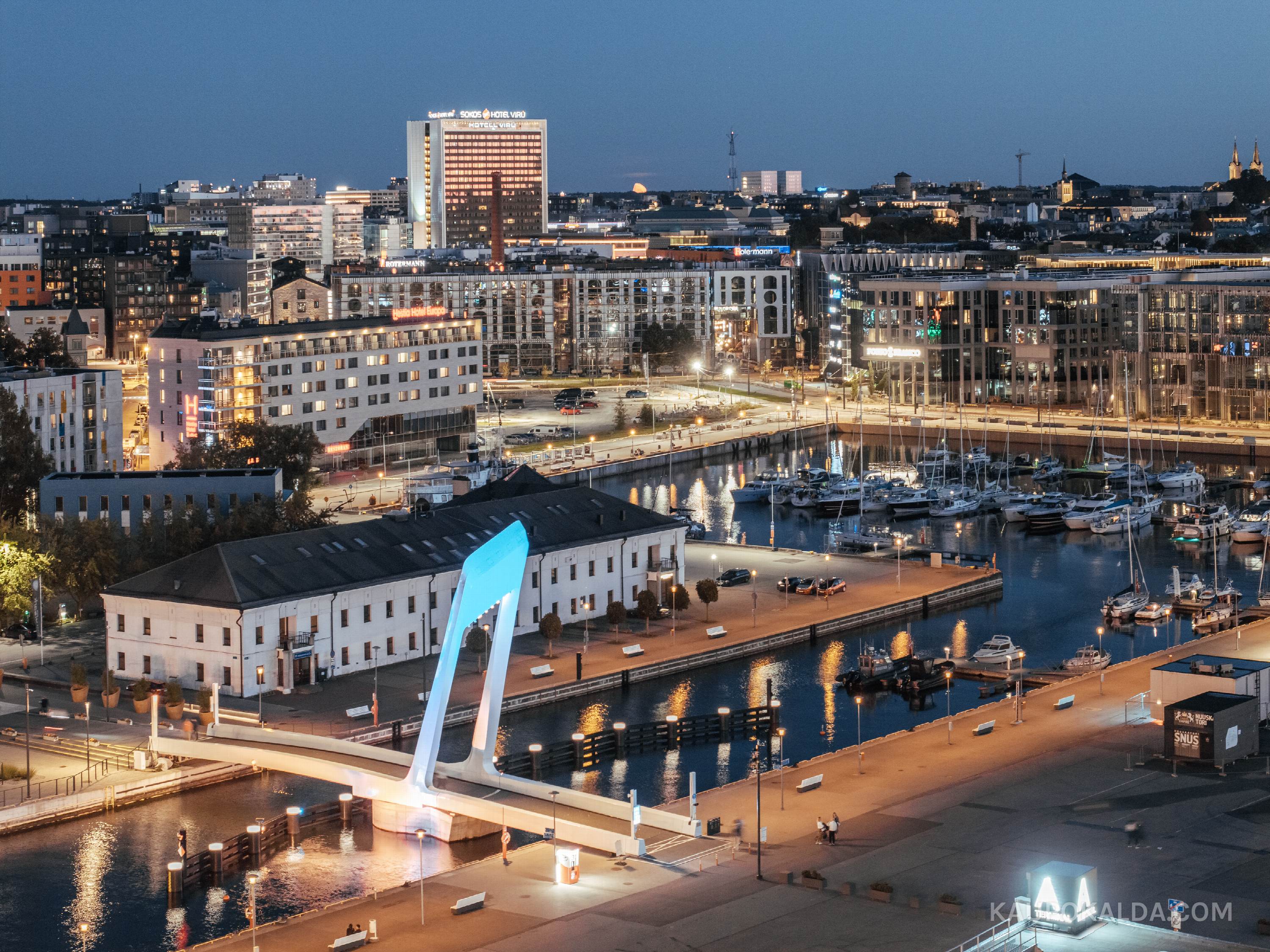
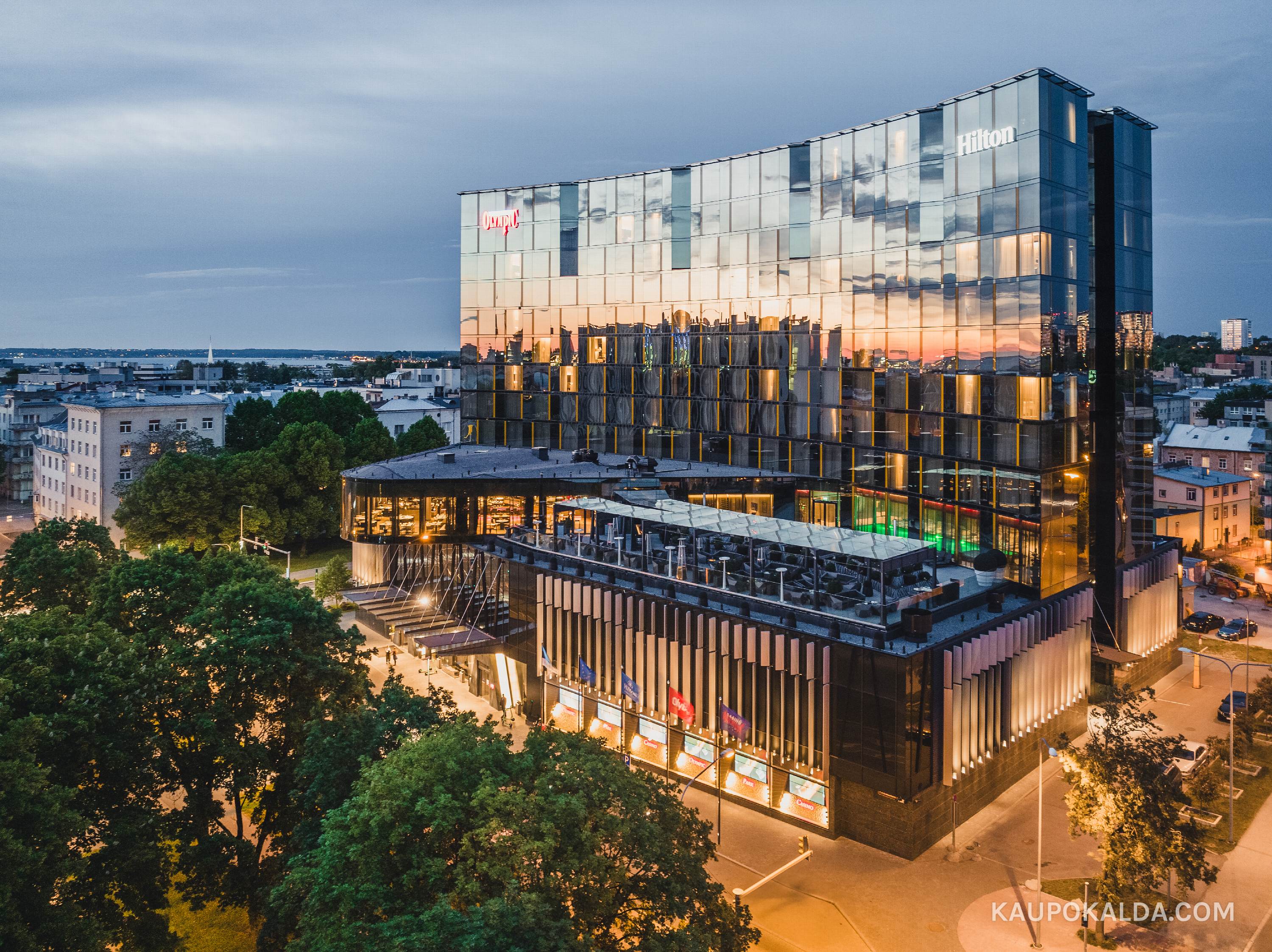
Popular. The blue hour is when the sun has just set but still glows and provides fill light. It's called blue because that tone tends to emerge in the dark areas at this time (apart from artificial light). The first half hour after sunset is fairly grey and gloomy, then the city lights come on and make the city glow, and the second half hour has good light for photography. After that comes pitch darkness, night light, with no fill light and only artificial light to work with (sometimes a full moon helps a little). The blue hour is around 23:00 in June, for example, and around 18:30 in October. This kind of image can be processed to be relatively bright if needed. I take a lot of pictures like this and am probably quite well known for this style. It can be too aggressive in certain cases.
- Nature house construction, 2025.1
- Keila Song Festival Grounds (night series)
- Admiraliteedi bassein Vanasadamas
- Nunne Boutique Hotel (series)
- Summer evening in Maakri
- Unibet Arena
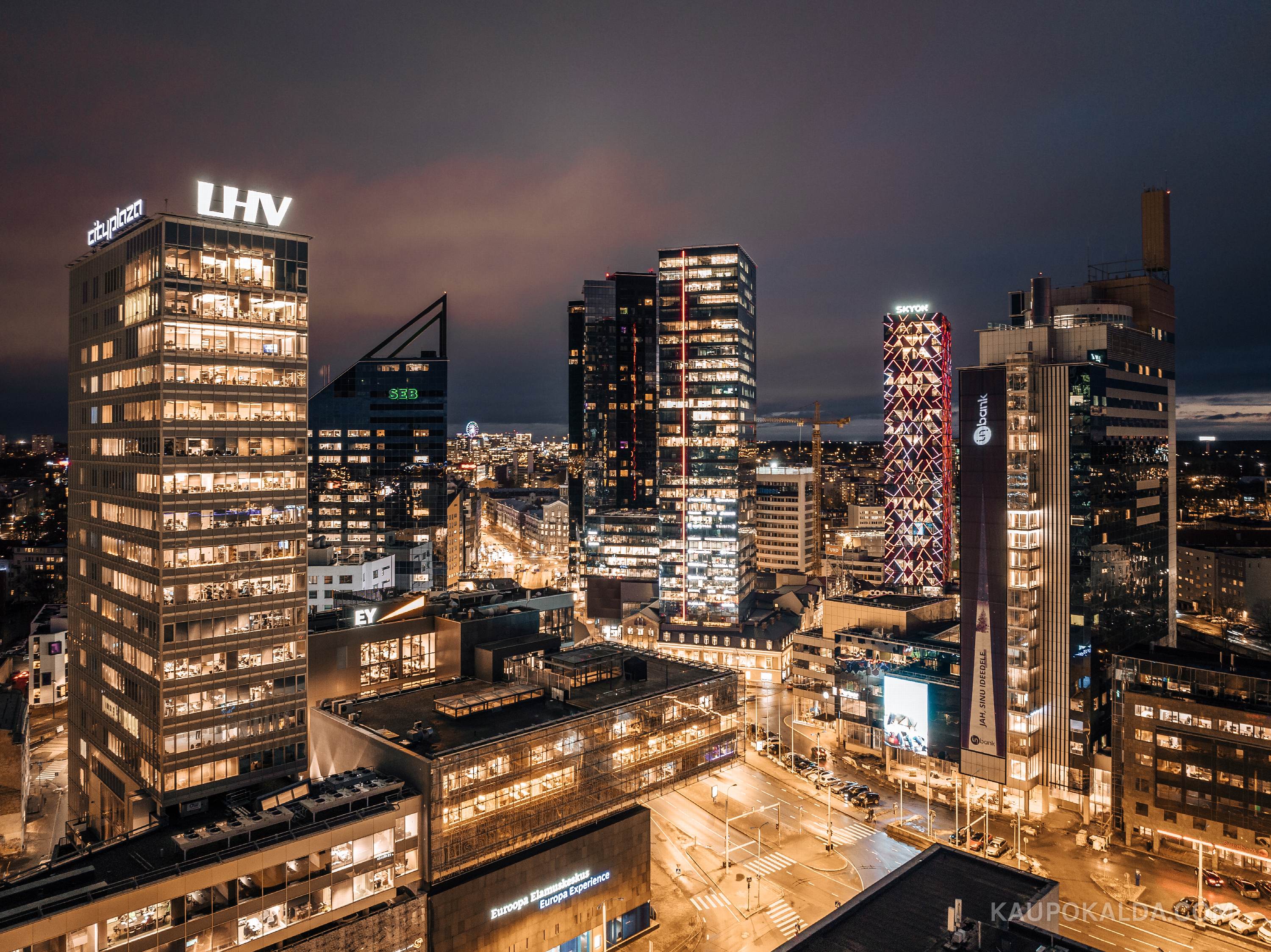
- LHV
- Hilton Tallinn Park Hotel
6. Night light
Mood: quieter, but quite varied, few colours.
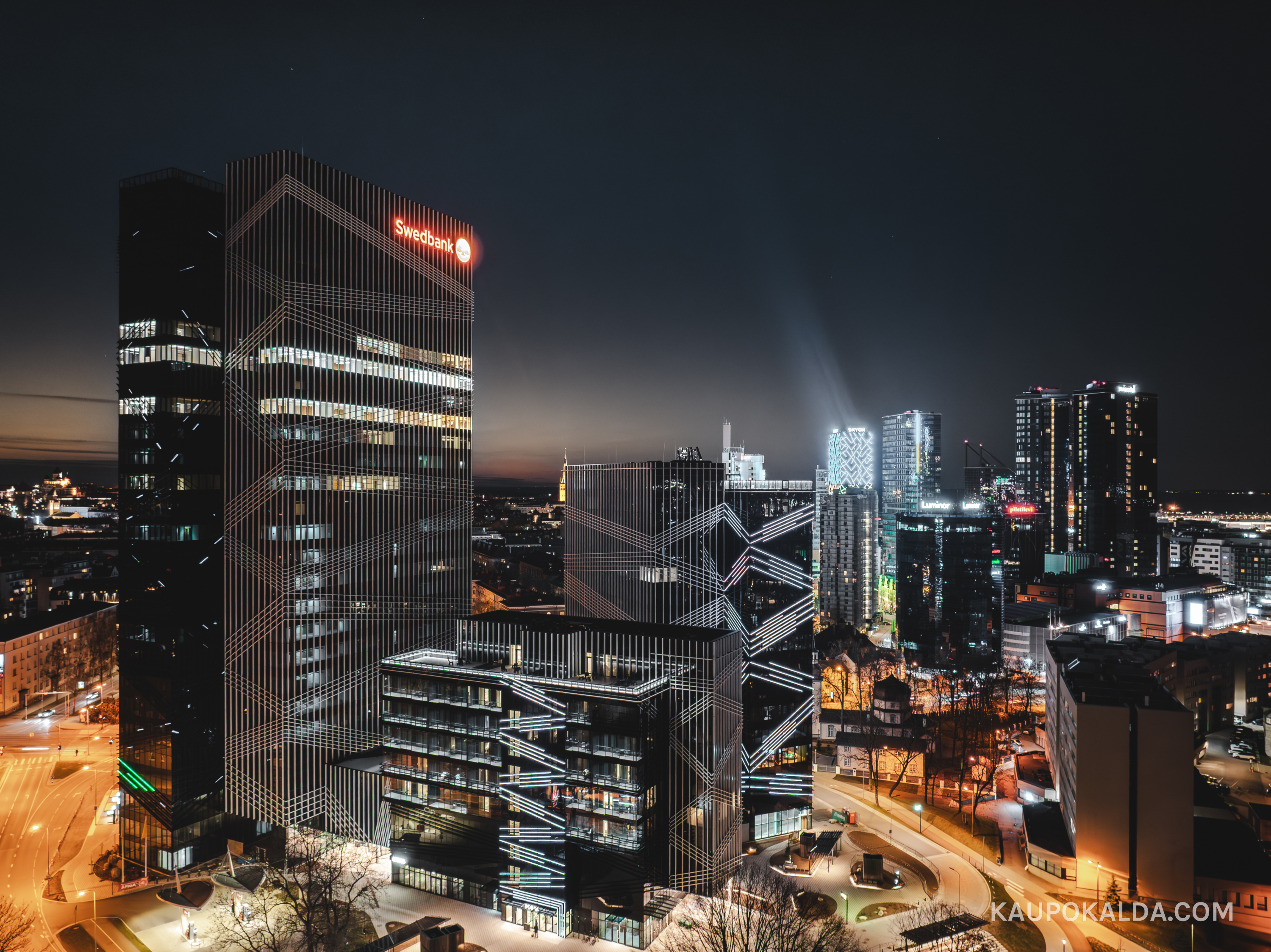
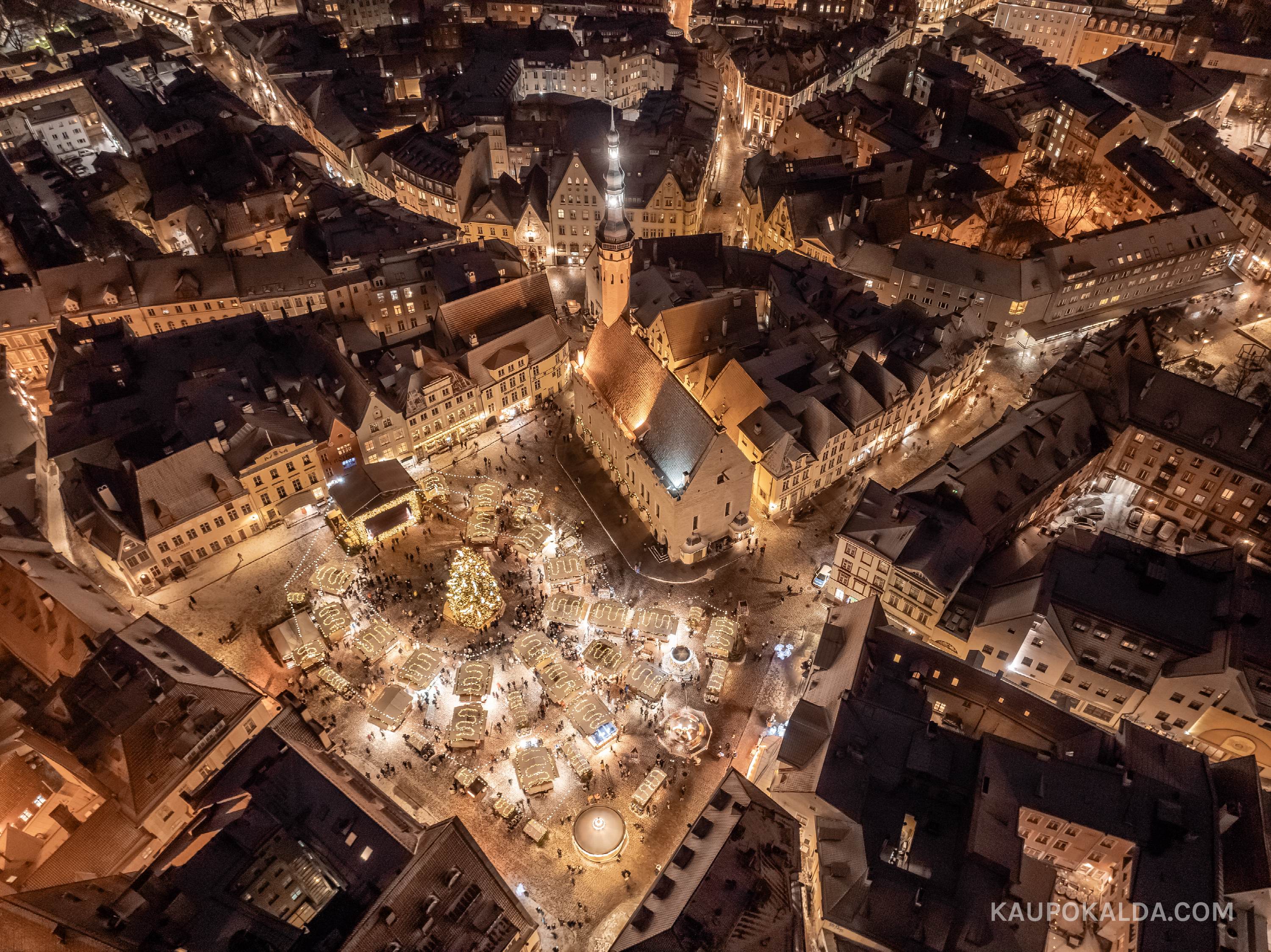
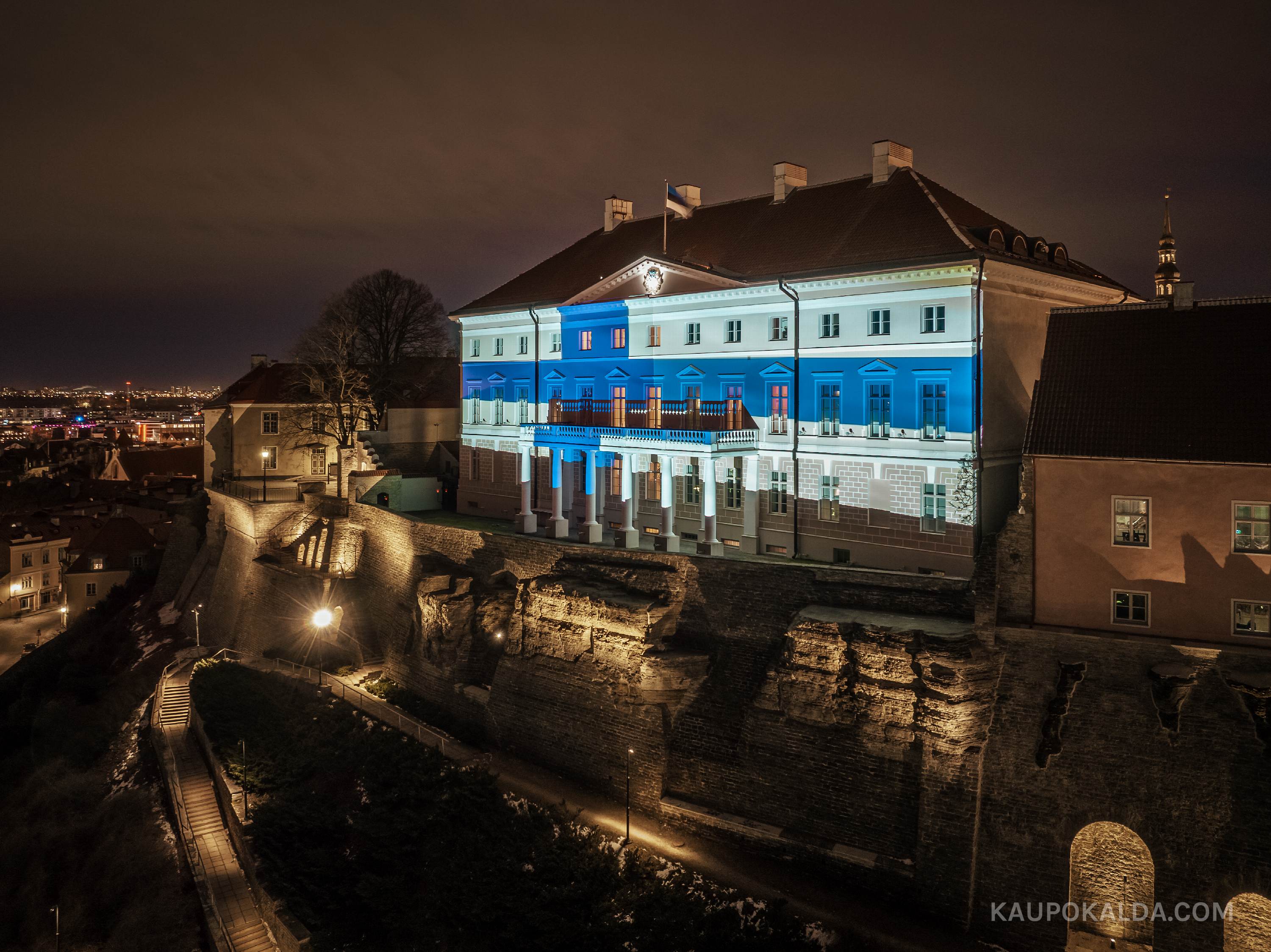
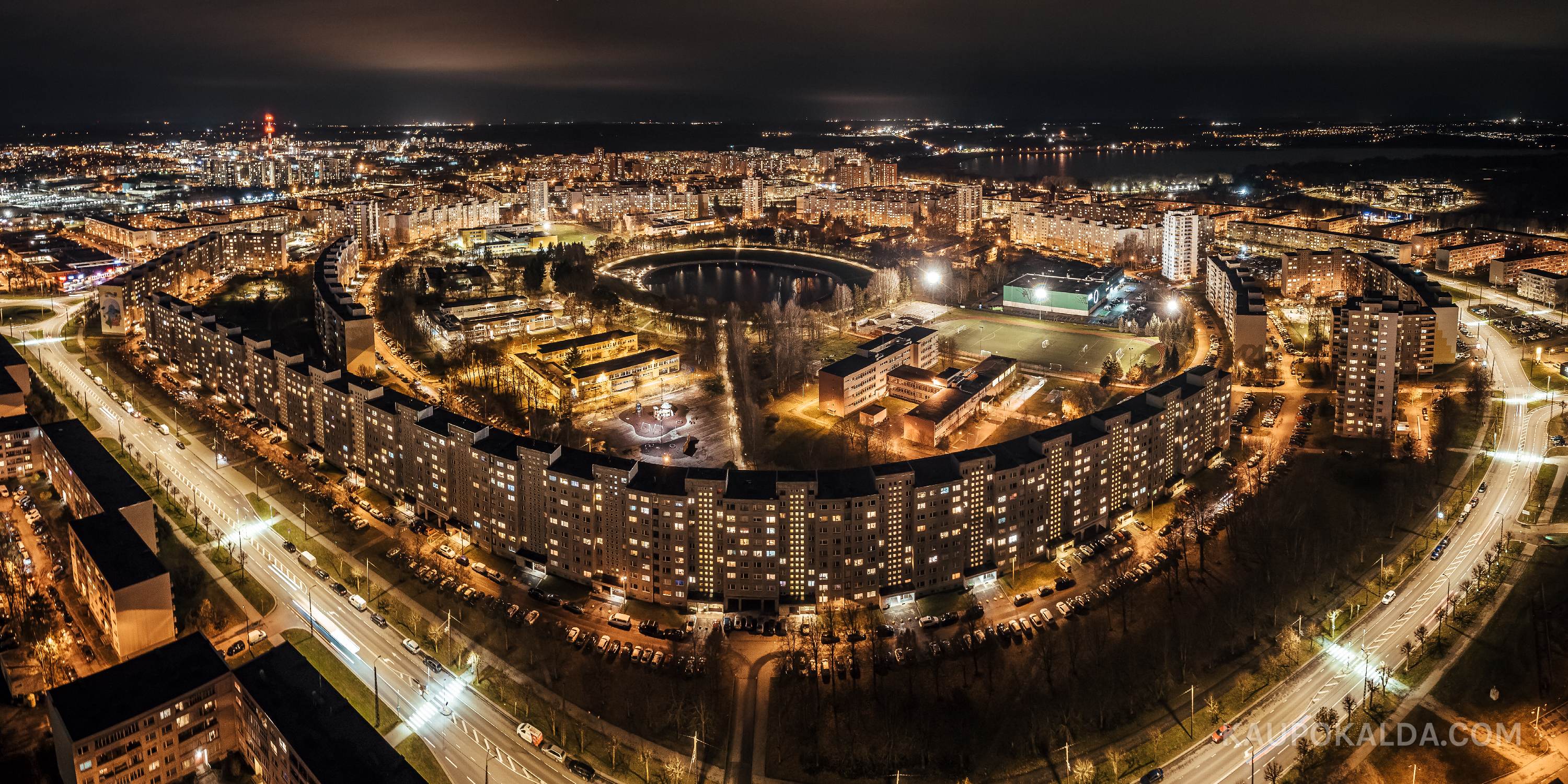
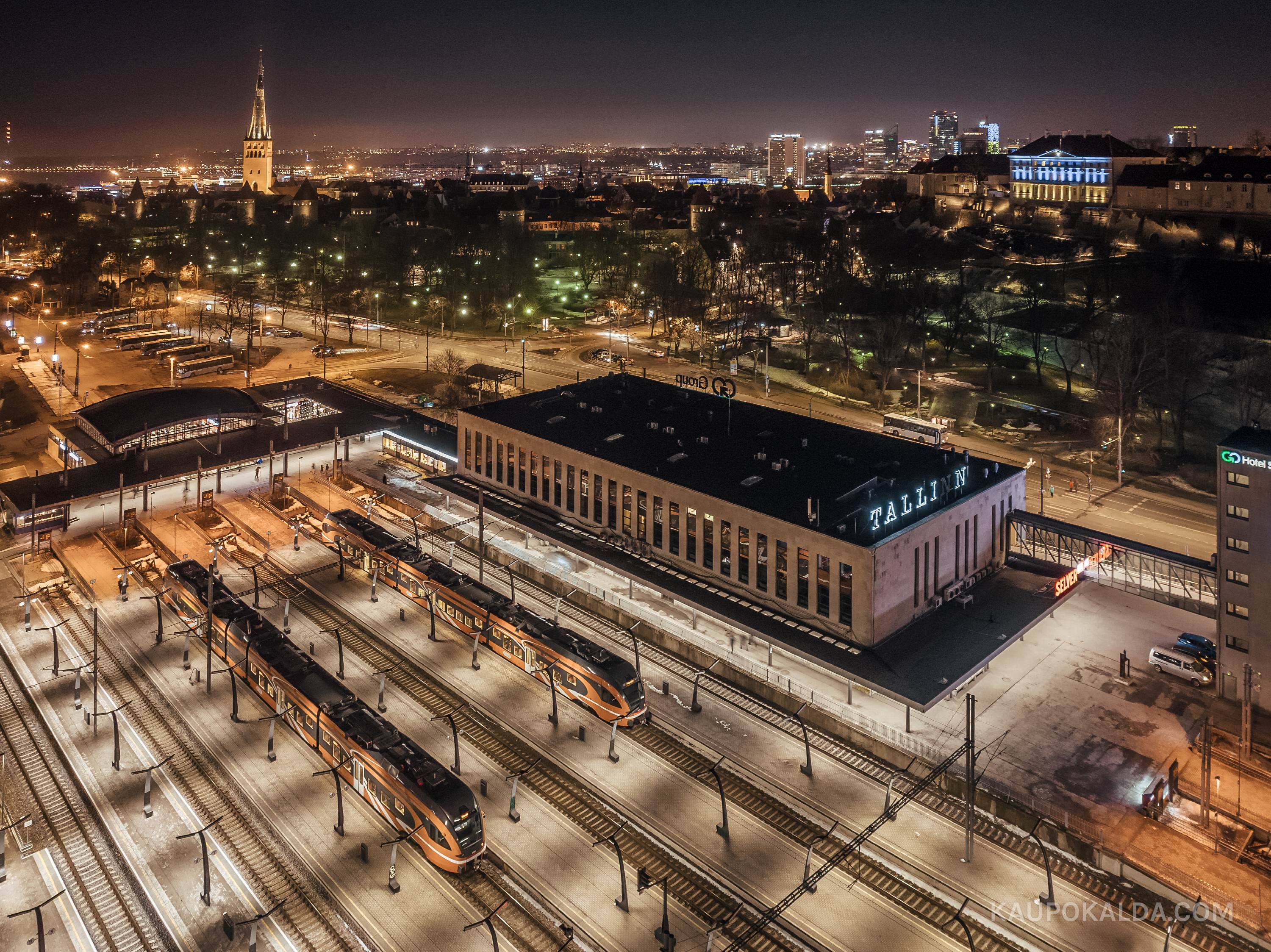
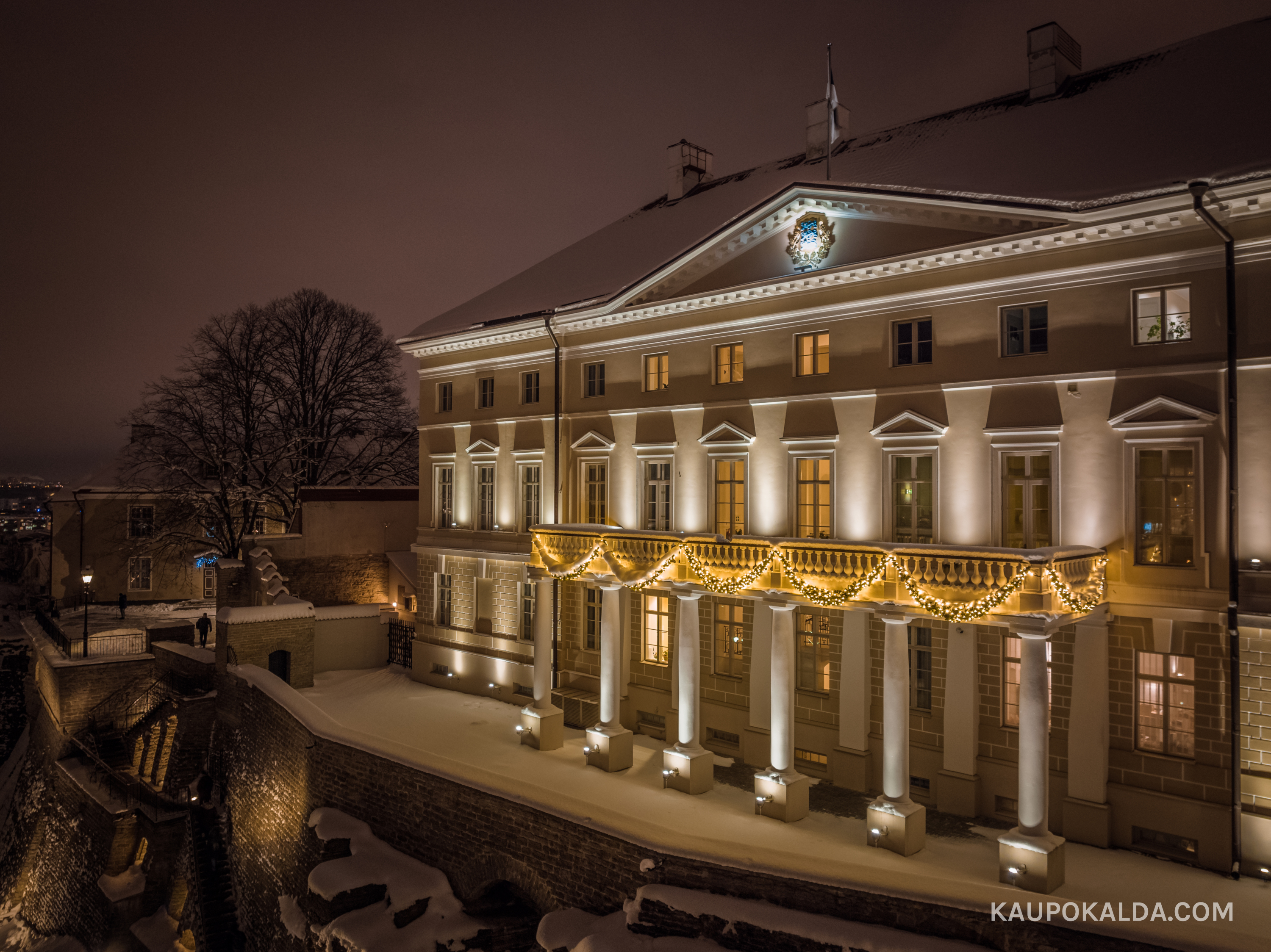
Rarely used. Night light comes after the blue hour, when full darkness sets in. In summer it is a little brighter, in winter it is pitch-dark. Then you can only photograph using artificial light - building and city lights. Sometimes it is necessary. The result is fairly monochromatic, as the colour comes largely from artificial light alone.
- Arter Quarter, 2025.4
- Tallinn Christmas Market, 2024
- Welcome to NATO, dear Finland!
- Öine Väike-Õismäe
- Balti jaam
- Worth its weight in gold
- Stenbock House dressed for Christmas (series)
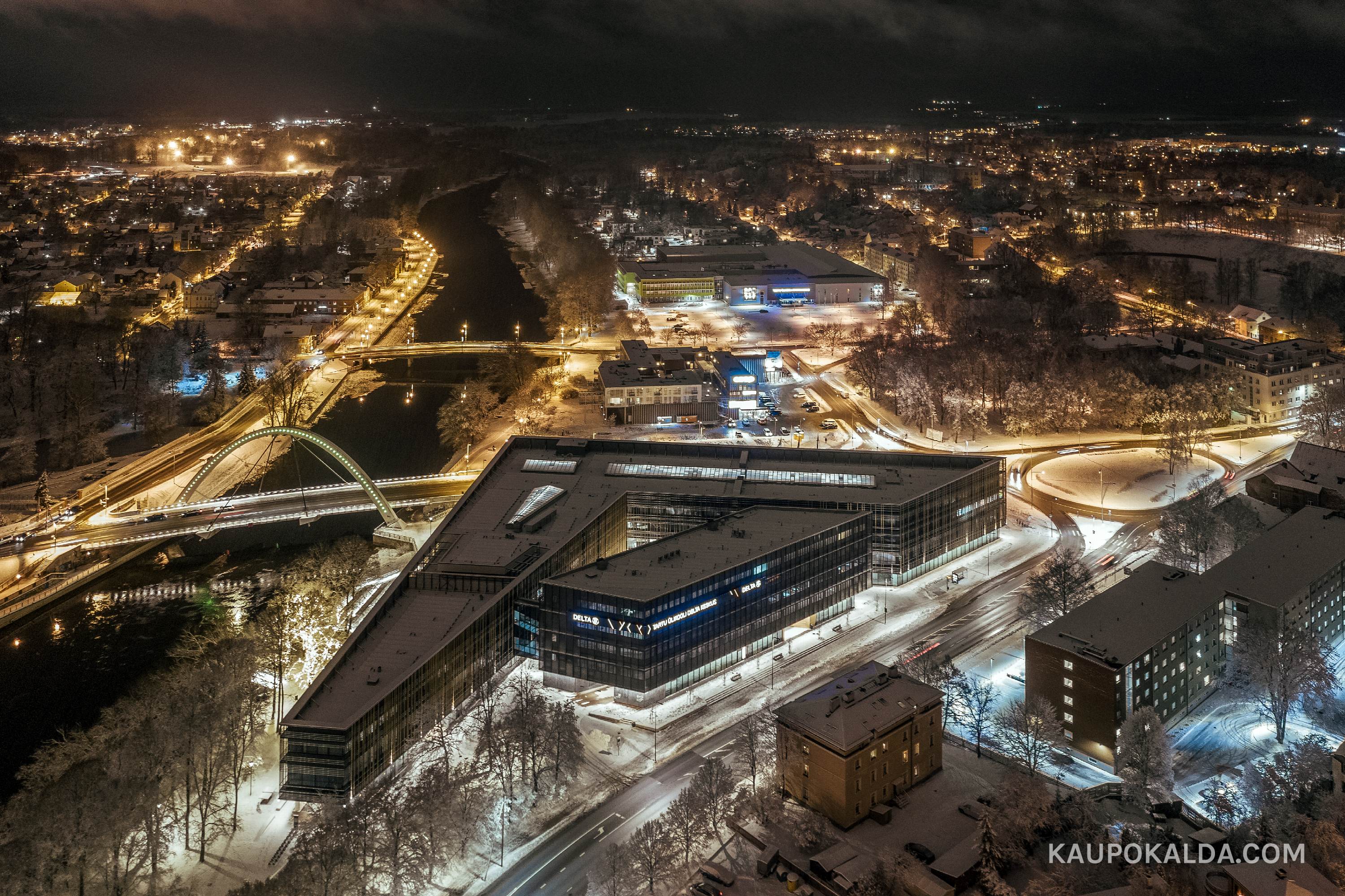
- University of Tartu Delta Centre
In summary
Photography is a delicate interplay of light and composition. As mentioned, another 1000 little things affect the light, and you can't always wait for the very best - maybe it only comes once or twice a month, so try being in the right place, ready for that moment, which might last an hour or so. No one pays you for the wait. For example, I remember only 3 evenings in August 2016 when it was possible to take blue-hour photos. The rest of the time it was cloudy and/or windy.
So you often have to compromise to some extent, but still try to get the best possible result. If you shoot indiscriminately, you simply produce rubbish.Likewise, the sun’s arc, direction and elevation vary each month. This sometimes determines the choice of lighting too - you generally don’t photograph real estate facing into the sun. In September, the angle of light is quite different from June. It’s useful to check the direction and elevation of the sun on date X and at a given time on websites suncalc.net and 3d.maaamet.ee. Recently, also about the latter I wrote.
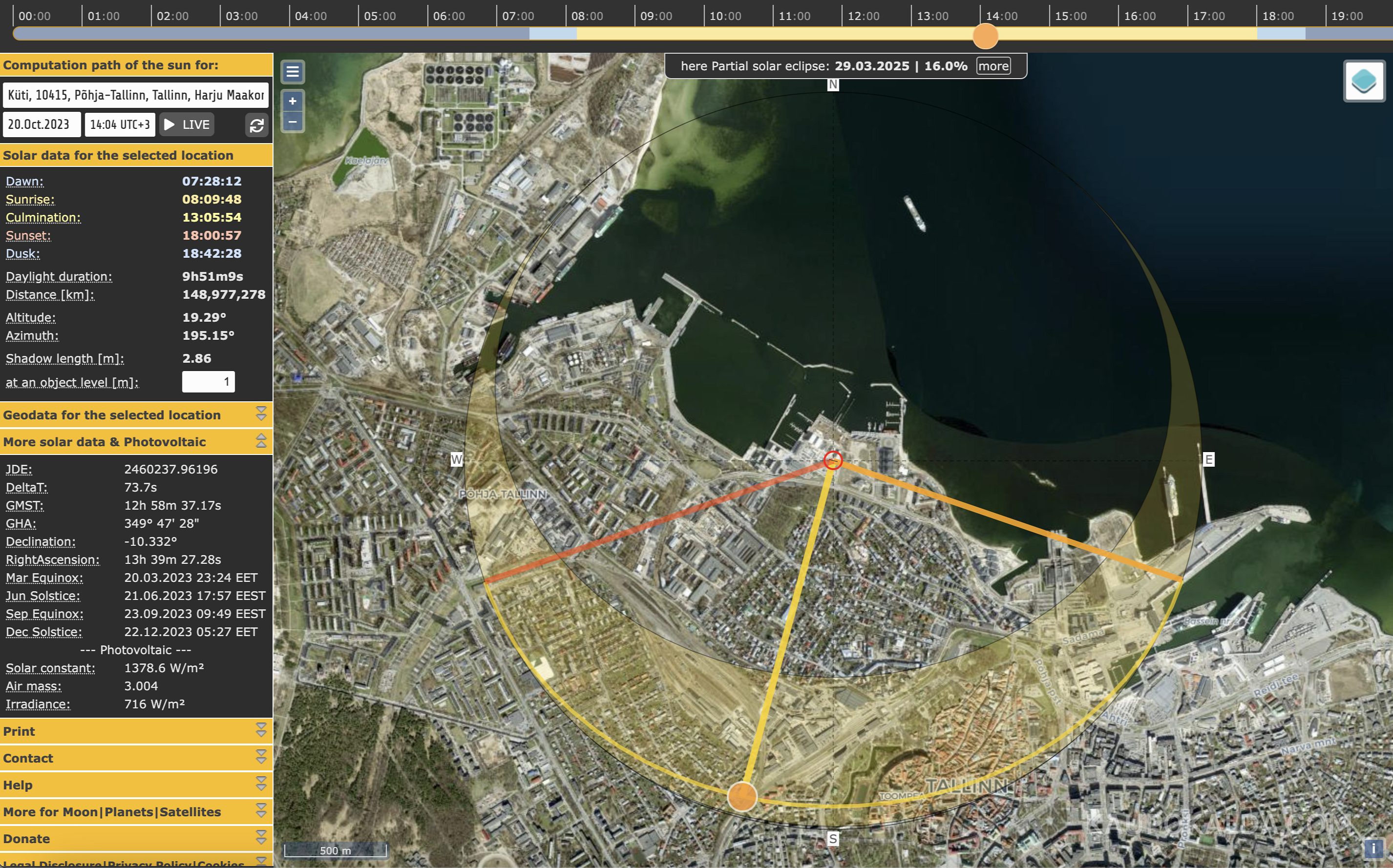
Image: suncalc.net is one of the tools for checking the direction and height of the light. The mobile app is especially good too Sunsurveyor, where you can even look through the camera on location to see where the sun would be at a given time on 20 June.